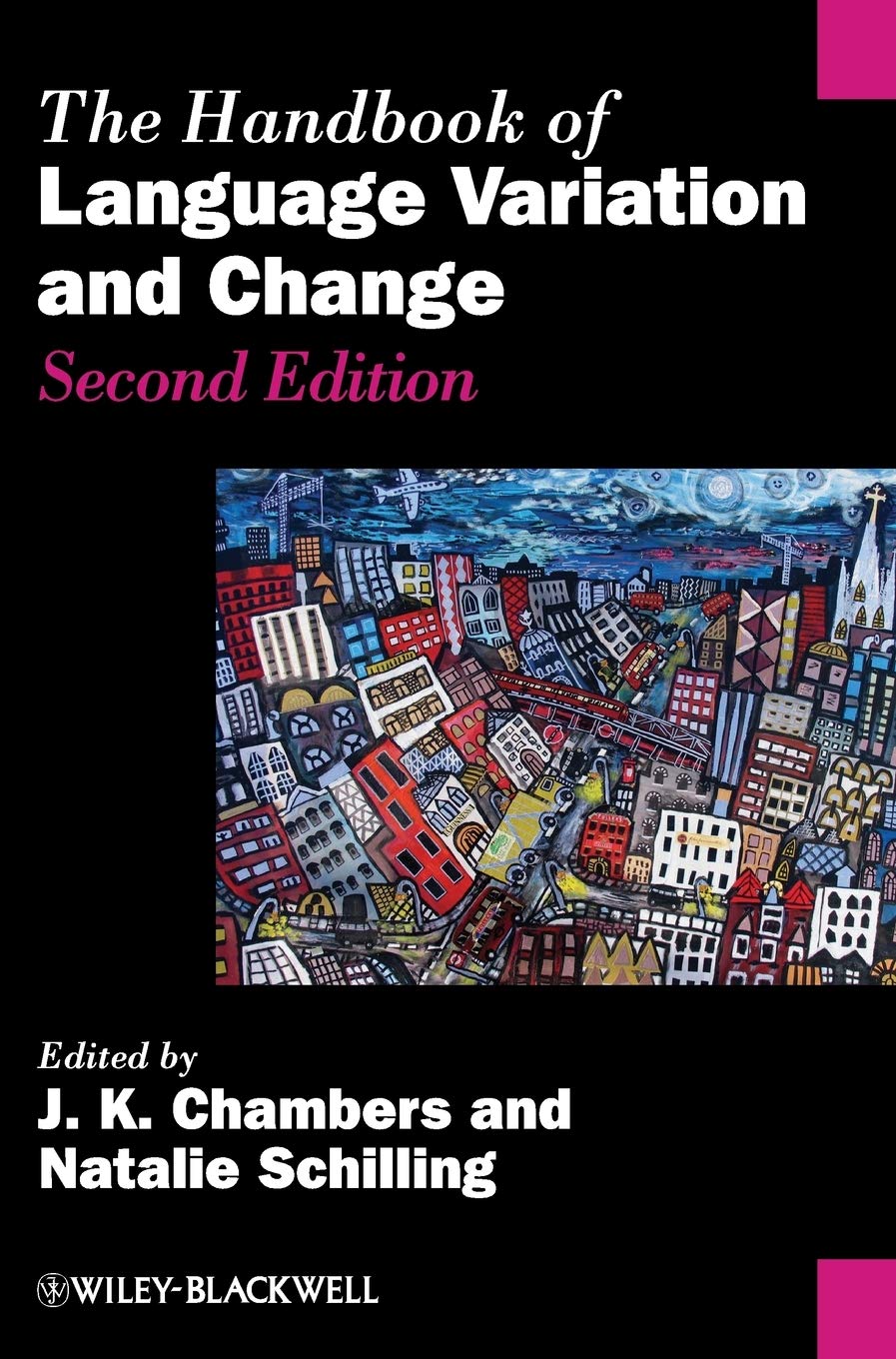
The Handbook of Language Variation and Change: A Comprehensive Guide
The Handbook of Language Variation and Change: A Comprehensive Guide
Price subject to change. Tap below for current.
Couldn't load pickup availability
The Handbook of Language Variation and Change is an essential resource for linguists and language enthusiasts alike. This comprehensive guide delves into the intricate world of language variation, exploring how and why languages evolve over time. Authored by renowned experts J. K. Chambers and Natalie Schilling, this handbook offers a wealth of knowledge that is both accessible and informative.
One of the standout features of this handbook is its thorough examination of language change. The authors meticulously analyze various factors that contribute to linguistic shifts, including social, cultural, and historical influences. Readers will gain a deeper understanding of how language is not a static entity but rather a dynamic system that reflects the complexities of human interaction.
The book is structured to cater to a wide audience, from students to seasoned researchers. Each chapter is rich with examples and case studies that illustrate the principles of language variation. This makes it an invaluable tool for anyone looking to grasp the nuances of linguistic diversity.
In addition to its academic rigor, the Handbook of Language Variation and Change is also incredibly user-friendly. The authors have taken great care to present complex ideas in a clear and engaging manner. This ensures that readers can easily navigate through the content, making it a perfect reference for both teaching and learning.
Another significant aspect of this handbook is its focus on the social implications of language. The authors discuss how language variation can reflect social identities and power dynamics within communities. This critical perspective encourages readers to think about language not just as a means of communication, but as a tool for social change.
The Handbook of Language Variation and Change also includes contributions from various scholars, providing a diverse range of viewpoints and research findings. This collaborative approach enriches the content and offers readers a multifaceted understanding of the subject matter.
For those interested in the future of linguistics, this handbook addresses emerging trends and technologies that are shaping the study of language. The authors explore how digital communication and globalization are influencing language evolution, making this a timely and relevant resource.
In conclusion, the Handbook of Language Variation and Change is a must-have for anyone passionate about linguistics. Its comprehensive coverage, engaging writing style, and insightful analysis make it an indispensable addition to any library. Whether you are a student, educator, or researcher, this handbook will undoubtedly enhance your understanding of the fascinating world of language.
Share