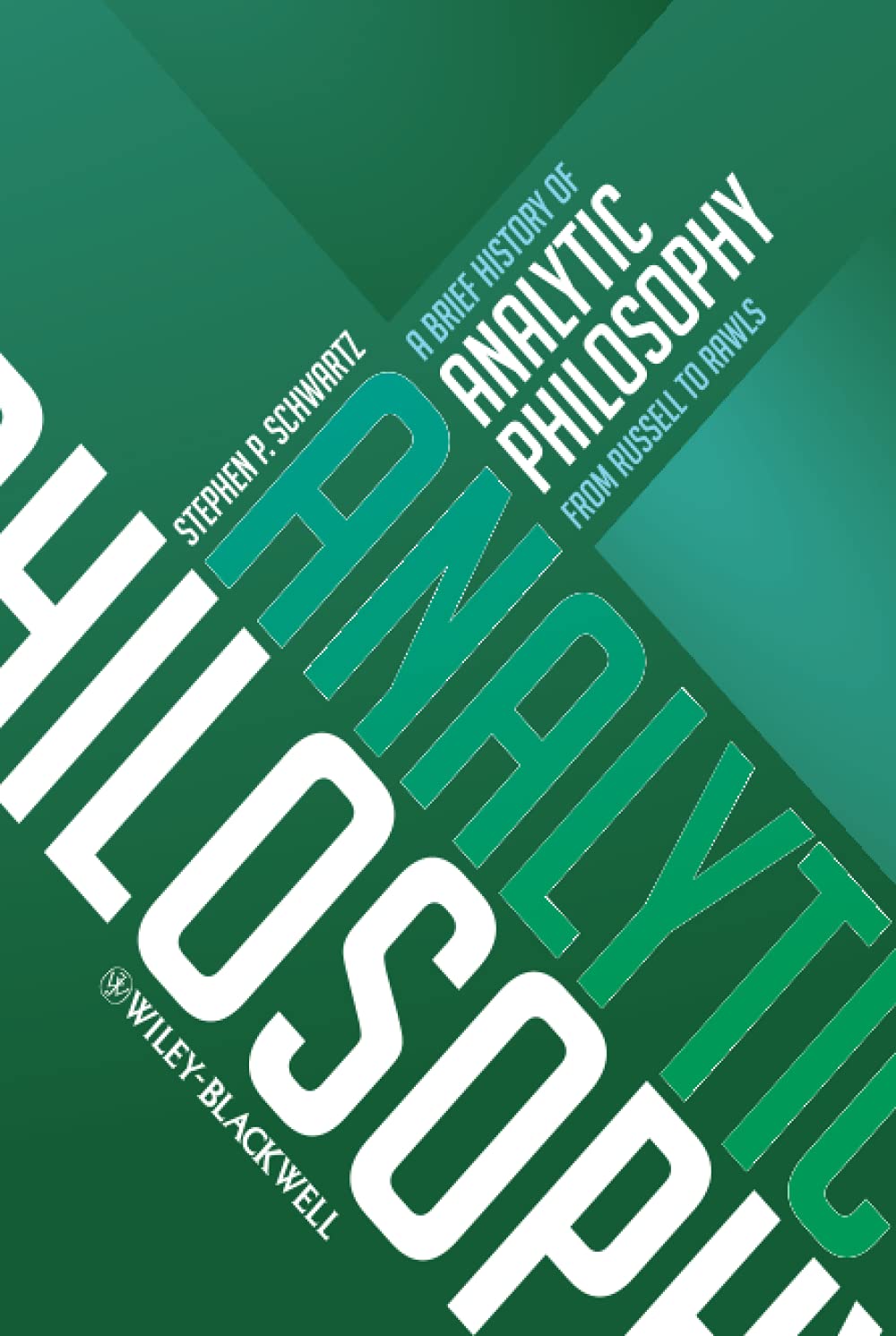
A Brief History of Analytic Philosophy: Insightful Exploration
A Brief History of Analytic Philosophy: Insightful Exploration
Price subject to change. Tap below for current.
Couldn't load pickup availability
A Brief History of Analytic Philosophy offers a comprehensive overview of the evolution of analytic philosophy, tracing its roots from the early 20th century to contemporary debates. This engaging text is perfect for both newcomers and seasoned philosophers alike, providing a clear and accessible narrative.
The author, Steve Schwartz, meticulously examines the key figures and movements that have shaped this philosophical tradition. Readers will appreciate the in-depth analysis of influential philosophers such as Bertrand Russell and Ludwig Wittgenstein, whose contributions are pivotal in understanding analytic philosophy today.
One of the standout features of this book is its ability to connect complex ideas with real-world applications. Schwartz emphasizes how analytic methods can clarify philosophical problems, making them more approachable for students and enthusiasts. The text is structured in a way that encourages critical thinking and invites readers to engage with the material actively.
Throughout the chapters, readers will find discussions on various topics, including language, logic, and the philosophy of mind. Each section is enriched with examples that illustrate the practical implications of analytic thought, demonstrating its relevance in modern philosophical discourse.
Moreover, the book includes a variety of perspectives, showcasing the diversity within the analytic tradition. This inclusivity allows readers to appreciate the richness of philosophical inquiry and encourages them to explore different viewpoints. Schwartz's writing style is both informative and engaging, making complex ideas accessible without sacrificing depth.
In addition to its thorough exploration of historical developments, the book also addresses contemporary issues in analytic philosophy. Readers will find discussions on topics such as ethics, epistemology, and metaphysics, all framed within the context of current debates. This makes A Brief History of Analytic Philosophy not only a historical account but also a relevant resource for understanding ongoing philosophical discussions.
For those interested in the intersections of philosophy and other disciplines, Schwartz highlights the influence of analytic philosophy on fields such as cognitive science and linguistics. This interdisciplinary approach enriches the reader's understanding of how analytic philosophy interacts with various domains of knowledge.
Overall, A Brief History of Analytic Philosophy is an essential read for anyone looking to deepen their understanding of this influential philosophical movement. Whether you are a student, educator, or simply a curious reader, this book provides valuable insights and a solid foundation in analytic thought.
Share