Reinvention of Sacrifice in Early Rabbinic Literature
Reinvention of Sacrifice in Early Rabbinic Literature
Price subject to change. Tap below for current.
Couldn't load pickup availability
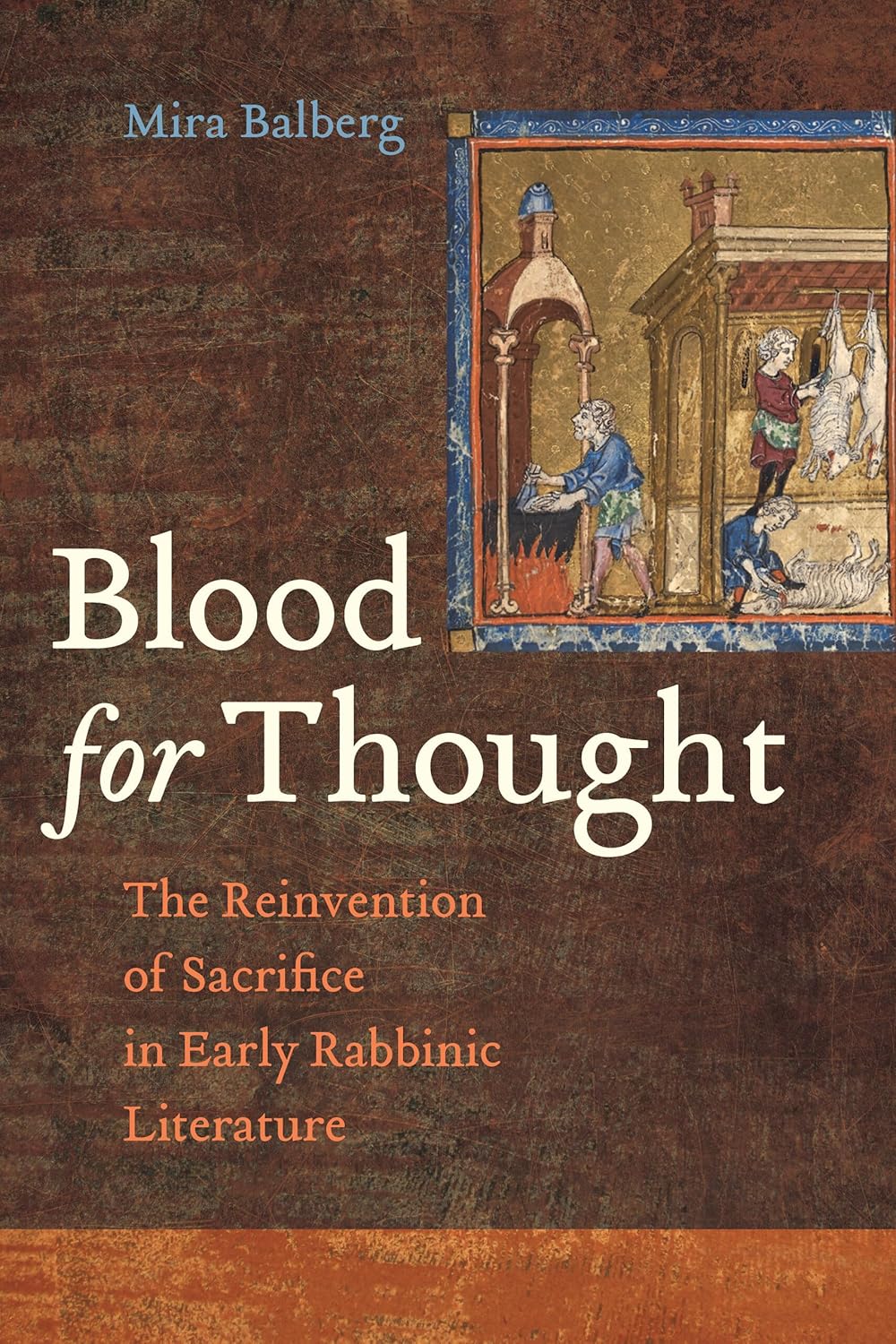
Blood for Thought by Mira Balberg offers a profound exploration into the intricate relationship between sacrifice and thought in early rabbinic literature. This book delves into the historical context and the evolving interpretations of sacrifice, presenting a nuanced understanding that challenges traditional views.
Through meticulous research, Balberg examines how early rabbinic texts reinterpret the concept of sacrifice, moving beyond mere ritualistic practices to encompass deeper philosophical implications. The author argues that these texts reflect a significant shift in the understanding of sacrifice, emphasizing its role in shaping Jewish identity and thought.
One of the key themes in Blood for Thought is the transformation of sacrifice from a physical act to a more abstract concept. Balberg illustrates how this transformation is not just a theological shift but also a response to the sociopolitical changes of the time. The book provides a rich analysis of various texts, highlighting the voices of different rabbis and their interpretations.
The author skillfully weaves together historical analysis and literary critique, making Blood for Thought an essential read for anyone interested in Jewish studies, theology, or the history of religious thought. Balberg's insights into the cultural significance of sacrifice reveal how these ancient texts continue to resonate in contemporary discussions about morality and ethics.
In addition to its scholarly rigor, the book is accessible to a broader audience, inviting readers to engage with complex ideas in a relatable manner. Balberg's writing is clear and engaging, making the intricate themes of early rabbinic literature approachable for those new to the subject.
Overall, Blood for Thought stands out as a significant contribution to the field, offering fresh perspectives on the intersection of sacrifice, thought, and identity. It challenges readers to reconsider their assumptions about the role of sacrifice in religious practice and its implications for modern spirituality.
Share