Irish Emigration and Marriage Insights on Fertility Trends
Irish Emigration and Marriage Insights on Fertility Trends
Price subject to change. Tap below for current.
Couldn't load pickup availability
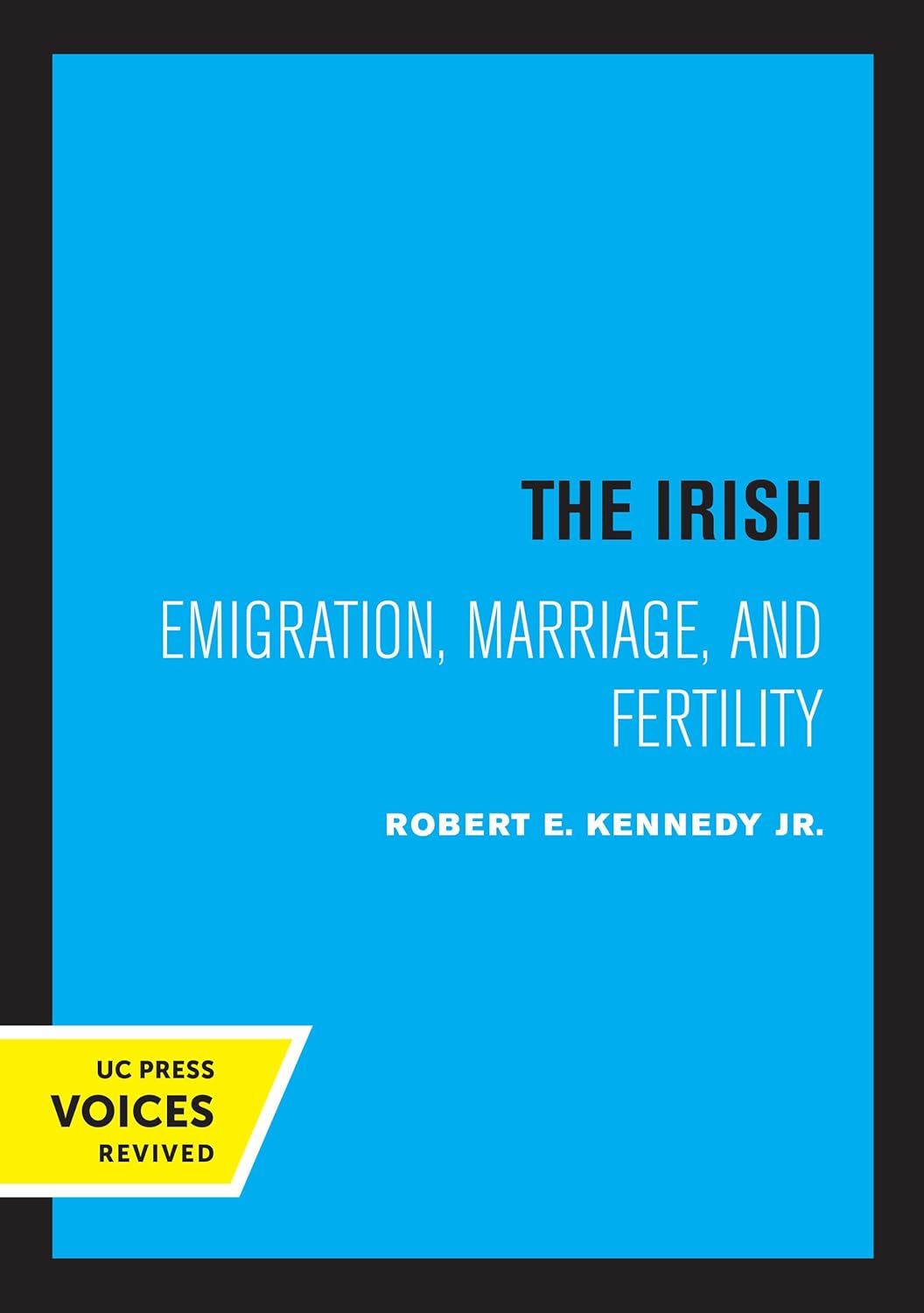
The book Irish: Emigration, Marriage, and Fertility by Robert E. Kennedy Jr. offers a comprehensive exploration of the intricate relationships between emigration patterns and family dynamics in Ireland. This insightful work delves into the historical context of Irish emigration, shedding light on how it has shaped the social fabric of the nation.
One of the key themes of the book is the impact of marriage trends on the fertility rates among Irish families. Kennedy meticulously analyzes data and historical records to illustrate how marriage customs have evolved over the decades, influencing family size and structure.
Furthermore, the author examines the role of cultural identity in the context of emigration. As many Irish citizens sought opportunities abroad, they carried with them their traditions and values, which in turn affected their new communities. This cultural exchange is a vital aspect of understanding the broader implications of emigration.
In addition to historical analysis, the book presents a wealth of statistical data that supports Kennedy's arguments. Readers will find charts and graphs that depict trends in marriage and fertility, making the information accessible and engaging. This data-driven approach enhances the credibility of the narrative, allowing readers to grasp the significance of these trends.
Another fascinating aspect of the book is its exploration of the economic factors that influenced emigration. Kennedy discusses how economic hardship in Ireland prompted many to seek better lives elsewhere, and how this migration affected family structures back home. The interplay between economic conditions and family dynamics is a recurring theme that resonates throughout the text.
Moreover, the author does not shy away from discussing the emotional toll of emigration on families. The psychological effects of separation and the longing for home are poignantly captured, providing a human element to the statistical analysis. This emotional depth adds richness to the narrative, making it relatable to readers.
In conclusion, Irish: Emigration, Marriage, and Fertility is an essential read for anyone interested in Irish history, sociology, or family studies. Kennedy's thorough research and engaging writing style make this book a valuable resource for scholars and casual readers alike. The insights provided will deepen your understanding of how emigration has shaped not only individual lives but also the collective identity of the Irish people.
Share