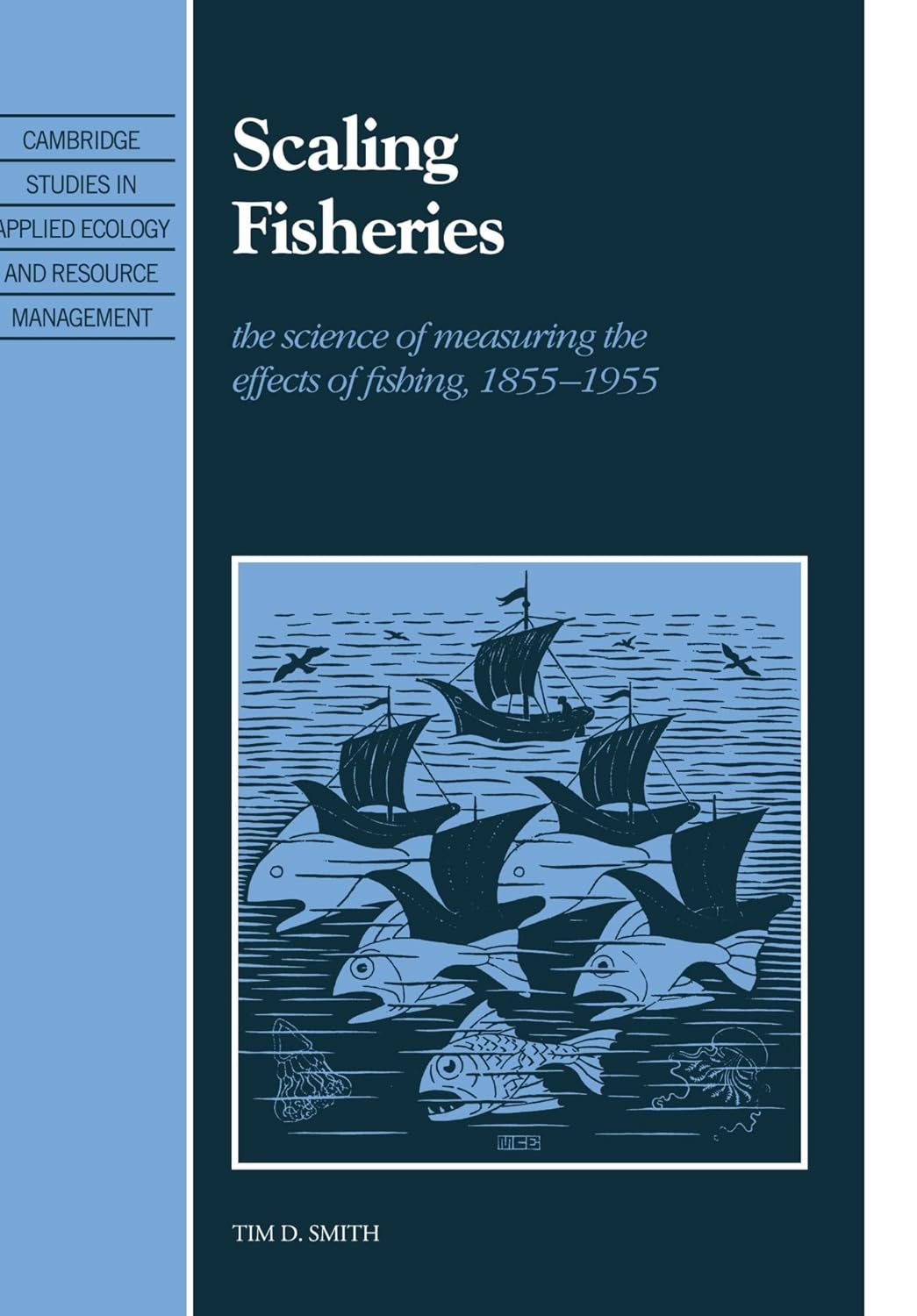
Scaling Fisheries: Measuring Fishing Effects 1855-1955 Insights
Scaling Fisheries: Measuring Fishing Effects 1855-1955 Insights
Price subject to change. Tap below for current.
Couldn't load pickup availability
The book Scaling Fisheries offers a comprehensive look into the evolution of fishing practices from 1855 to 1955. Authored by Tim D. Smith, this insightful text delves into the scientific methods used to measure the effects of fishing on aquatic ecosystems. It is an essential read for anyone interested in the intersection of ecology and resource management.
One of the key themes explored in Scaling Fisheries is the importance of understanding fish populations and their habitats. The author meticulously details how various fishing techniques have impacted these populations over time. This historical perspective is crucial for modern fisheries management, making the book a valuable resource for both students and professionals in the field.
Throughout the text, Smith emphasizes the need for sustainable practices. The book highlights the consequences of overfishing and the urgent need for effective management strategies. By examining case studies from the past, readers can gain insights into how to better manage fish stocks today.
In addition to its historical analysis, Scaling Fisheries also presents innovative research methodologies. Smith discusses various scientific approaches to measuring fish populations, including statistical models and ecological assessments. These methodologies are essential for anyone looking to engage in serious fisheries research or management.
The book is not just for academics; it is also accessible to policymakers and environmental advocates. By providing a clear understanding of the scientific principles behind fisheries management, Scaling Fisheries empowers readers to advocate for better practices and policies that protect marine resources.
Moreover, the text is richly illustrated with graphs and charts that enhance the reader's understanding of complex data. These visual aids are particularly helpful for those who may not have a strong background in statistics or ecology. The combination of text and visuals makes the information more digestible and engaging.
Overall, Scaling Fisheries is a pivotal work that bridges the gap between science and practical application. It serves as a reminder of the delicate balance between human activity and ecological health. For anyone involved in fisheries, whether as a researcher, manager, or advocate, this book is an indispensable addition to their library.
Share