Critique of New Natural Law on Religion, Sexuality, and Gender
Critique of New Natural Law on Religion, Sexuality, and Gender
Price subject to change. Tap below for current.
Couldn't load pickup availability
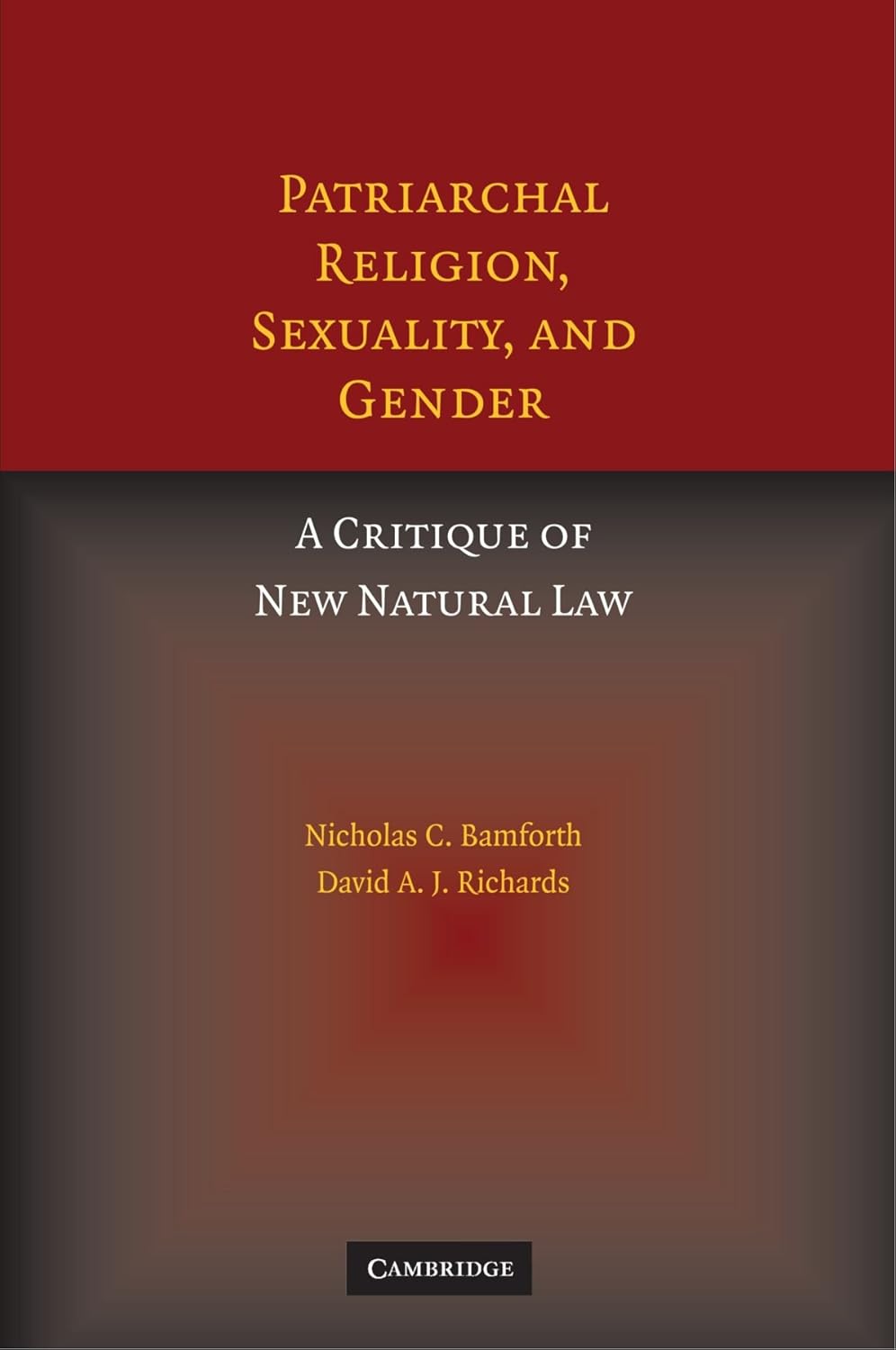
The book Patriarchal Religion, Sexuality, and Gender offers a profound critique of the New Natural Law theory, delving into the intricate relationships between religion, sexuality, and gender. Authored by Nicholas Bamforth and David A. J. Richards, this work challenges conventional views and provides a fresh perspective on how these elements intersect in contemporary society.
In this insightful text, the authors argue that traditional interpretations of natural law often perpetuate patriarchal structures. By examining the implications of these interpretations, the critique of New Natural Law reveals how they can adversely affect gender equality and sexual rights. The authors meticulously dissect the philosophical underpinnings of these beliefs, making a compelling case for a reevaluation of their relevance in modern discourse.
One of the standout features of this book is its comprehensive analysis of how patriarchal religion influences societal norms and individual identities. The authors draw on a wide range of examples, illustrating the pervasive impact of these ideologies on both personal and communal levels. This exploration not only highlights the challenges faced by marginalized groups but also emphasizes the need for a more inclusive approach to understanding sexuality and gender.
Richards and Bamforth also engage with various philosophical traditions, offering readers a nuanced understanding of the debates surrounding sexuality and gender. Their critical examination of these topics encourages readers to question established norms and consider alternative frameworks that promote equality and justice. This book is not just an academic critique; it serves as a call to action for those invested in social change.
The authors' writing style is accessible yet intellectually rigorous, making Patriarchal Religion, Sexuality, and Gender suitable for both scholars and general readers. Each chapter is meticulously structured, guiding readers through complex arguments with clarity and precision. The book is rich in references, providing a solid foundation for further exploration of the themes discussed.
In conclusion, this critique of New Natural Law is an essential read for anyone interested in the intersections of religion, sexuality, and gender. It challenges readers to rethink their assumptions and engage with the pressing issues of our time. With its bold arguments and thorough research, this book stands out as a significant contribution to contemporary debates in philosophy and social justice.
Share