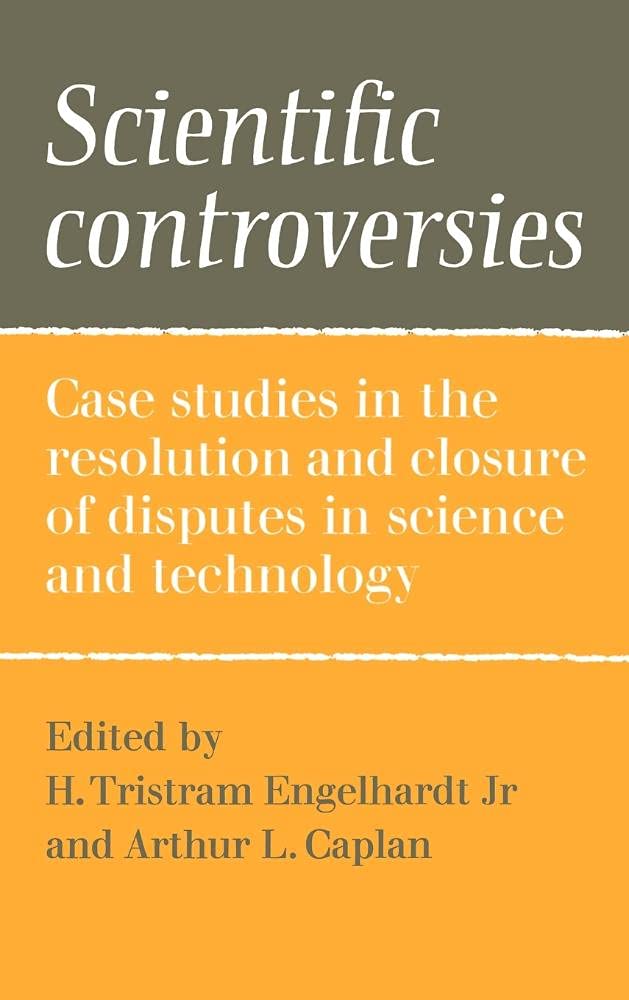
Scientific Controversies: Case Studies in Science and Technology
Scientific Controversies: Case Studies in Science and Technology
Price subject to change. Tap below for current.
Couldn't load pickup availability
The book Scientific Controversies offers a profound exploration into the intricate dynamics of disputes in the realms of science and technology. Authored by H. Tristram Engelhardt Jr. and Arthur L. Caplan, this collection of case studies delves into the mechanisms that govern the resolution and closure of scientific disagreements.
Each chapter presents a unique case study that illustrates the multifaceted nature of scientific controversies. The authors meticulously analyze how various factors, including ethical considerations and societal impacts, influence the outcomes of these disputes. Readers will gain insights into the resolution processes that are often complex and fraught with challenges.
One of the standout features of this book is its emphasis on the historical context of each controversy. By situating these disputes within their respective timeframes, Engelhardt and Caplan provide a comprehensive understanding of how scientific knowledge evolves. The historical analysis enriches the reader's perspective, making it clear that scientific truth is not always straightforward.
Moreover, the authors highlight the role of communication in resolving controversies. Effective dialogue among scientists, policymakers, and the public is crucial for achieving consensus. The book emphasizes the importance of effective communication strategies in bridging gaps between differing viewpoints.
In addition to the case studies, the book also discusses the implications of unresolved controversies. The authors argue that lingering disputes can hinder scientific progress and public trust in science. By examining the consequences of these unresolved issues, readers are encouraged to reflect on the impact of scientific disputes on society as a whole.
Furthermore, the book is not just for academics; it is accessible to anyone interested in the intersection of science and society. The clear and engaging writing style makes complex ideas understandable, inviting a broader audience to engage with the material. This accessibility is a key strength of Scientific Controversies, making it a valuable resource for students, educators, and professionals alike.
In conclusion, Scientific Controversies is an essential read for those looking to understand the complexities of scientific disputes. With its rich case studies and thoughtful analysis, this book sheds light on the processes that shape scientific knowledge and the importance of resolving conflicts in a constructive manner. Engelhardt and Caplan have created a work that is both informative and thought-provoking, making it a significant contribution to the field of science and technology studies.
Share