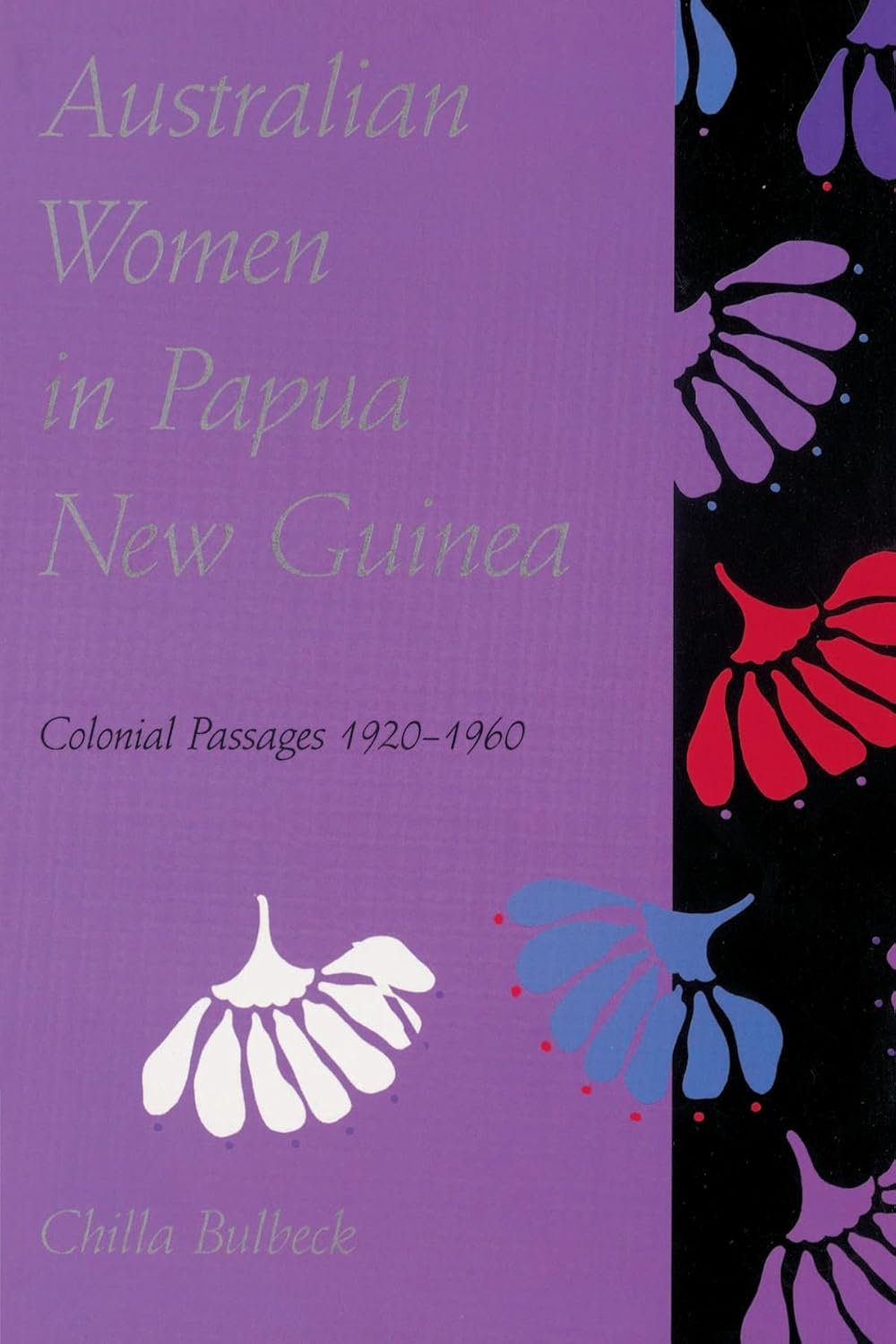
Australian Women in Papua New Guinea: Colonial Passages 1920-1960
Australian Women in Papua New Guinea: Colonial Passages 1920-1960
Price subject to change. Tap below for current.
Couldn't load pickup availability
The book Australian Women in Papua New Guinea by Chilla Bulbeck offers a profound exploration of the experiences of women during a pivotal era. Covering the years from 1920 to 1960, this work delves into the complexities of colonial life and the unique challenges faced by women in Papua New Guinea. The author meticulously documents the stories of these women, providing readers with a rich tapestry of narratives that highlight their resilience and adaptability.
One of the standout features of this book is its in-depth analysis of the colonial passages that shaped the lives of Australian women in the region. Bulbeck's research is thorough, drawing on a variety of sources that illuminate the social, cultural, and political contexts of the time. This makes the book not only a historical account but also a critical examination of gender roles and colonialism.
Readers will appreciate the way Bulbeck intertwines personal stories with broader historical themes, creating a compelling narrative that is both informative and engaging. The author's ability to highlight the intersections of race, gender, and class in colonial Papua New Guinea is particularly noteworthy. This approach allows for a deeper understanding of how these factors influenced the lives of women and their contributions to society.
In addition to its scholarly rigor, the book is also accessible to a general audience. Bulbeck's writing style is clear and engaging, making it easy for readers to connect with the material. The inclusion of photographs and personal letters adds a visual element that enhances the storytelling, bringing the historical context to life.
Another significant aspect of Australian Women in Papua New Guinea is its focus on the diverse experiences of women from various backgrounds. Bulbeck does not shy away from discussing the complexities of identity and the varying degrees of privilege and oppression that different women faced. This nuanced portrayal challenges simplistic narratives and encourages readers to think critically about the legacies of colonialism.
The book also serves as a vital resource for those interested in feminist history and postcolonial studies. By centering the voices of women, Bulbeck contributes to a more inclusive understanding of history that recognizes the importance of female perspectives. The work is a testament to the strength and resilience of women who navigated the challenges of colonial life.
In conclusion, Australian Women in Papua New Guinea: Colonial Passages 1920-1960 is an essential read for anyone interested in the intersections of gender, colonialism, and history. Chilla Bulbeck's thorough research and engaging narrative style make this book a valuable addition to the literature on Australian and Pacific history. It not only informs but also inspires, shedding light on the often-overlooked contributions of women in shaping the colonial landscape.
Share