Regular price
$152.10 USD
Price subject to change. Tap below for current.
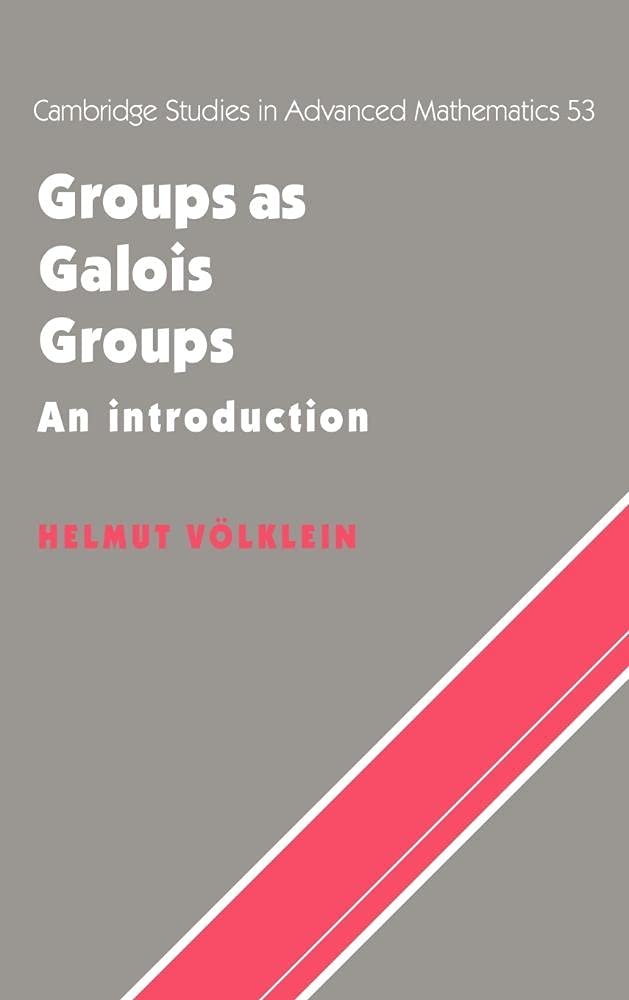
In the realm of advanced mathematics, Groups as Galois Groups stands out as a pivotal text for understanding the intricate relationship between group theory and field theory. This book, authored by Helmut Volklein, delves into the fascinating world of Galois theory, providing readers with a comprehensive introduction that is both accessible and profound.
The text is structured to guide readers through the fundamental concepts of Galois theory, starting from the basics and gradually progressing to more complex topics. Each chapter builds upon the previous one, ensuring that readers develop a solid foundation before tackling advanced material. This methodical approach makes it an ideal resource for both students and professionals looking to deepen their understanding of this essential area of mathematics.
One of the standout features of this book is its emphasis on the connection between groups and fields. Volklein expertly illustrates how these two mathematical structures interact, providing numerous examples and exercises that reinforce the concepts presented. The clarity of the explanations makes it easier for readers to grasp the sometimes abstract ideas that underpin Galois theory.
Moreover, the inclusion of historical context enriches the learning experience. Readers will appreciate the insights into the development of Galois theory and its significance in the broader landscape of mathematics. This historical perspective not only enhances understanding but also inspires a greater appreciation for the subject.
The book is also well-equipped with exercises that challenge readers to apply what they have learned. These problems range in difficulty, catering to a wide audience from beginners to those with more advanced knowledge. The solutions provided at the end of the book serve as a valuable resource for self-study, allowing readers to check their understanding and progress.
In addition to its pedagogical strengths, Groups as Galois Groups is also notable for its rigorous approach. Volklein does not shy away from the complexities of the subject; instead, he embraces them, presenting them in a way that is both engaging and enlightening. This balance of rigor and accessibility is what sets this book apart from other texts in the field.
For anyone interested in the interplay between algebra and geometry, this book is an essential read. It provides a thorough exploration of the subject matter, making it a valuable addition to any mathematician's library. Whether you are a student, a researcher, or simply a mathematics enthusiast, Groups as Galois Groups will undoubtedly enhance your understanding of this critical area of study.