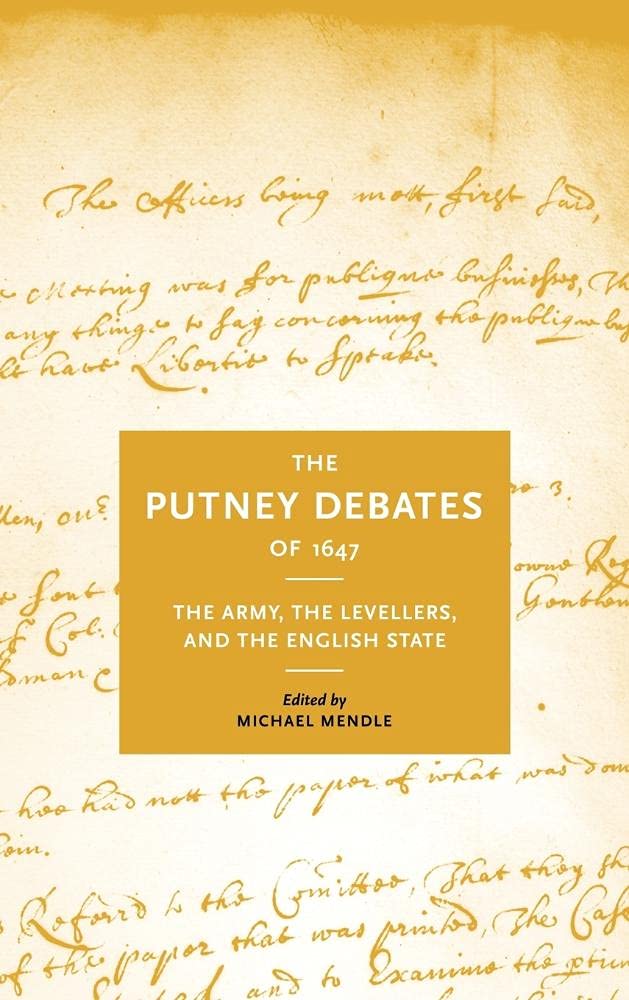
The Putney Debates of 1647: Army, Levellers, and English State
The Putney Debates of 1647: Army, Levellers, and English State
Price subject to change. Tap below for current.
Couldn't load pickup availability
The Putney Debates of 1647 stand as a pivotal moment in English history, showcasing the clash of ideas between the Army and the Levellers. This comprehensive analysis by Michael Mendle delves into the intricate dynamics that shaped the English state during a time of profound political upheaval.
At the heart of the debates was the struggle for power and representation. The Army's role in the debates highlighted their influence on the political landscape, as they sought to assert their vision for a new England. Mendle meticulously examines how the Army's leadership engaged with the Levellers, a group advocating for greater democratic rights.
The Levellers, with their radical ideas, pushed for a more egalitarian society. Their demands for universal suffrage and legal equality were revolutionary for the 17th century. This book provides a detailed account of how these Leveller ideals challenged the existing social order and prompted intense discussions among the military and political leaders of the time.
One of the key themes explored in this work is the concept of sovereignty. The debates raised fundamental questions about who should hold power in the new English state. Mendle's insights into the sovereignty debates reveal the complexities of governance and the competing visions for England's future.
Furthermore, the book sheds light on the significance of the Putney Debates in the broader context of the English Civil War. It illustrates how these discussions were not merely academic but had real implications for the direction of the nation. The impact of the debates on subsequent political developments is a crucial aspect that Mendle addresses, making this work essential for understanding modern democracy.
Readers will appreciate the author's ability to weave together historical narrative and analysis, making the events of 1647 accessible and engaging. The historical context provided enriches the reader's understanding of the debates and their lasting legacy in English political thought.
In conclusion, The Putney Debates of 1647 is a must-read for anyone interested in the evolution of political ideas and the formation of the English state. Michael Mendle's thorough research and compelling writing style make this book a valuable addition to the library of historians, students, and anyone passionate about the roots of democracy.
Share