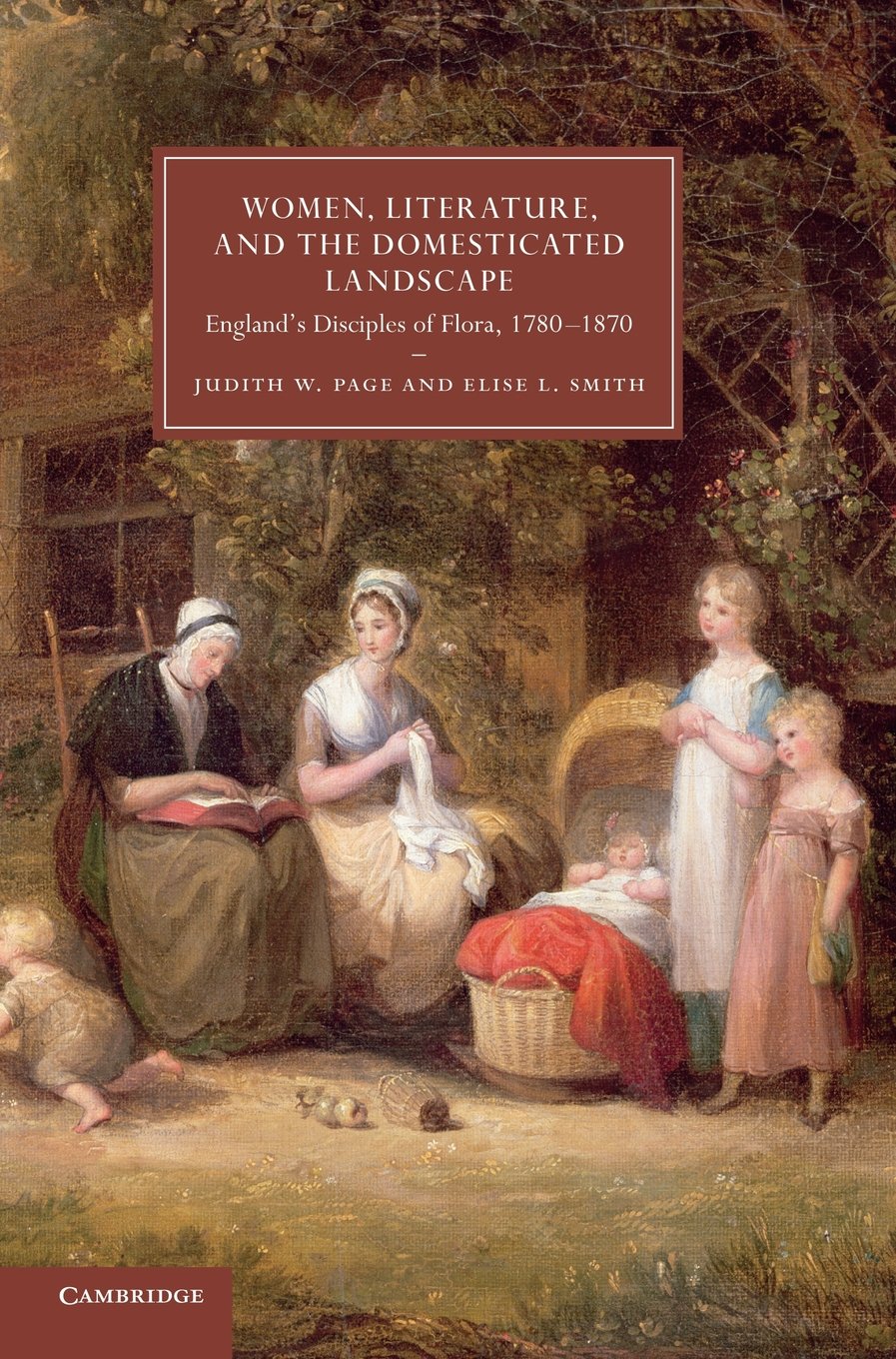
Women, Literature, and the Domesticated Landscape: Flora's Impact
Women, Literature, and the Domesticated Landscape: Flora's Impact
Price subject to change. Tap below for current.
Couldn't load pickup availability
The book Women, Literature, and the Domesticated Landscape delves into the intricate relationship between women and nature in England from 1780 to 1870. This scholarly work highlights how female authors and their literary contributions shaped perceptions of the natural world during a time of significant social change.
Through a detailed analysis, the authors Judith W. Page and Elise L. Smith explore the role of women in literature and how their writings reflect the evolving landscape of England. The book emphasizes the importance of flora in these narratives, showcasing how plants and gardens serve as metaphors for women's experiences and societal roles.
One of the key themes in this work is the intersection of gender and nature. The authors argue that women writers used the domestic landscape as a canvas to express their thoughts on identity, autonomy, and creativity. By examining various texts, the book reveals how these writers navigated the constraints of their time while still finding ways to assert their voices.
The book also discusses the historical context of the period, providing readers with insights into the cultural and social dynamics that influenced literary production. It highlights how the changing perceptions of nature paralleled the shifting roles of women in society, making it a crucial read for anyone interested in feminist literary studies.
Moreover, the authors incorporate a range of literary examples, from poetry to novels, to illustrate their points. Each chapter is meticulously crafted, ensuring that readers gain a comprehensive understanding of the literary landscape during this transformative era. The use of rich, descriptive language brings the texts to life, allowing readers to visualize the landscapes that inspired these women.
In addition to its literary analysis, the book also serves as a historical document, shedding light on the lives of women writers who often went unrecognized in their time. By bringing these voices to the forefront, Page and Smith contribute significantly to the discourse surrounding women's contributions to literature and the arts.
Overall, Women, Literature, and the Domesticated Landscape is an essential addition to the library of anyone interested in the intersections of gender, nature, and literature. It not only enriches our understanding of the past but also encourages contemporary readers to reflect on the ongoing dialogue between women and the natural world.
Share