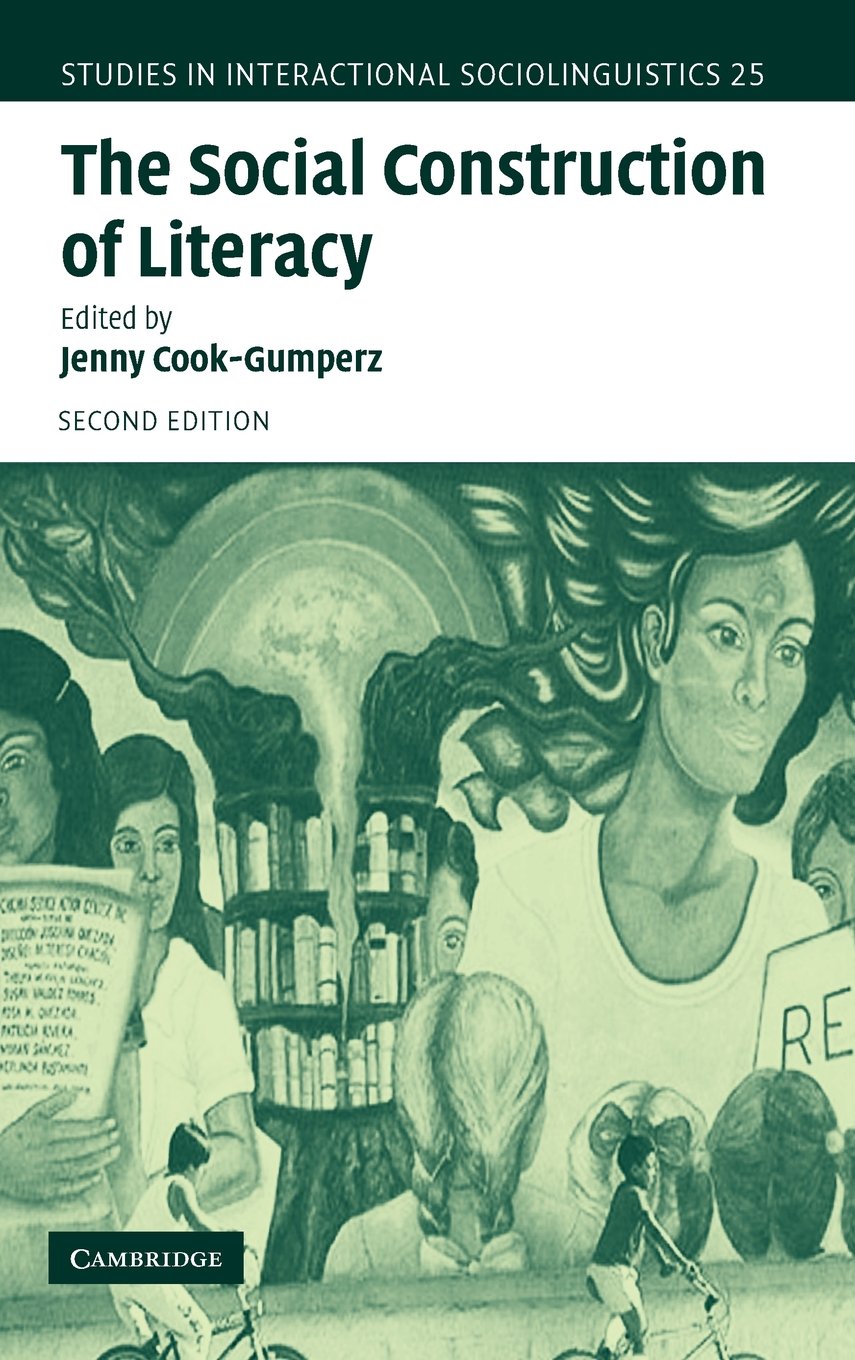
The Social Construction of Literacy in Interactional Sociolinguistics
The Social Construction of Literacy in Interactional Sociolinguistics
Price subject to change. Tap below for current.
Couldn't load pickup availability
The Social Construction of Literacy by Jenny Cook-Gumperz offers a profound exploration into how literacy is shaped by social interactions. This book delves into the intricate relationship between language and society, providing readers with a comprehensive understanding of literacy as a social phenomenon.
In this insightful work, Cook-Gumperz emphasizes the importance of context in the construction of literacy. She argues that literacy is not merely an individual skill but a socially negotiated practice that varies across different cultures and communities. This perspective challenges traditional views of literacy as a fixed set of skills, highlighting its dynamic nature.
The author employs a range of case studies to illustrate her points, showcasing how literacy practices are influenced by social factors such as class, gender, and ethnicity. Through these examples, readers can appreciate the interactional sociolinguistics framework that underpins the analysis, making the book a valuable resource for scholars and students alike.
One of the key strengths of this book is its interdisciplinary approach. By integrating insights from linguistics, sociology, and education, Cook-Gumperz provides a holistic view of literacy that is both engaging and informative. This makes it an essential read for anyone interested in the social dimensions of literacy.
Moreover, the book addresses contemporary issues related to literacy, such as digital literacy and the impact of technology on communication. Cook-Gumperz discusses how these factors contribute to the evolving nature of literacy in today's society, making the text relevant for modern readers. The exploration of digital literacy is particularly timely, as it reflects the changing landscape of communication in the 21st century.
Throughout the text, the author maintains a clear and accessible writing style, making complex concepts understandable. This is particularly beneficial for those new to the field of sociolinguistics. The inclusion of practical examples and case studies enhances the reader's ability to connect theory with real-world applications, reinforcing the idea that literacy is a lived experience.
In conclusion, The Social Construction of Literacy is a thought-provoking and well-researched book that challenges conventional notions of literacy. It invites readers to reconsider their understanding of what it means to be literate in a diverse and interconnected world. This book is a must-read for educators, researchers, and anyone interested in the cultural aspects of literacy.
Share