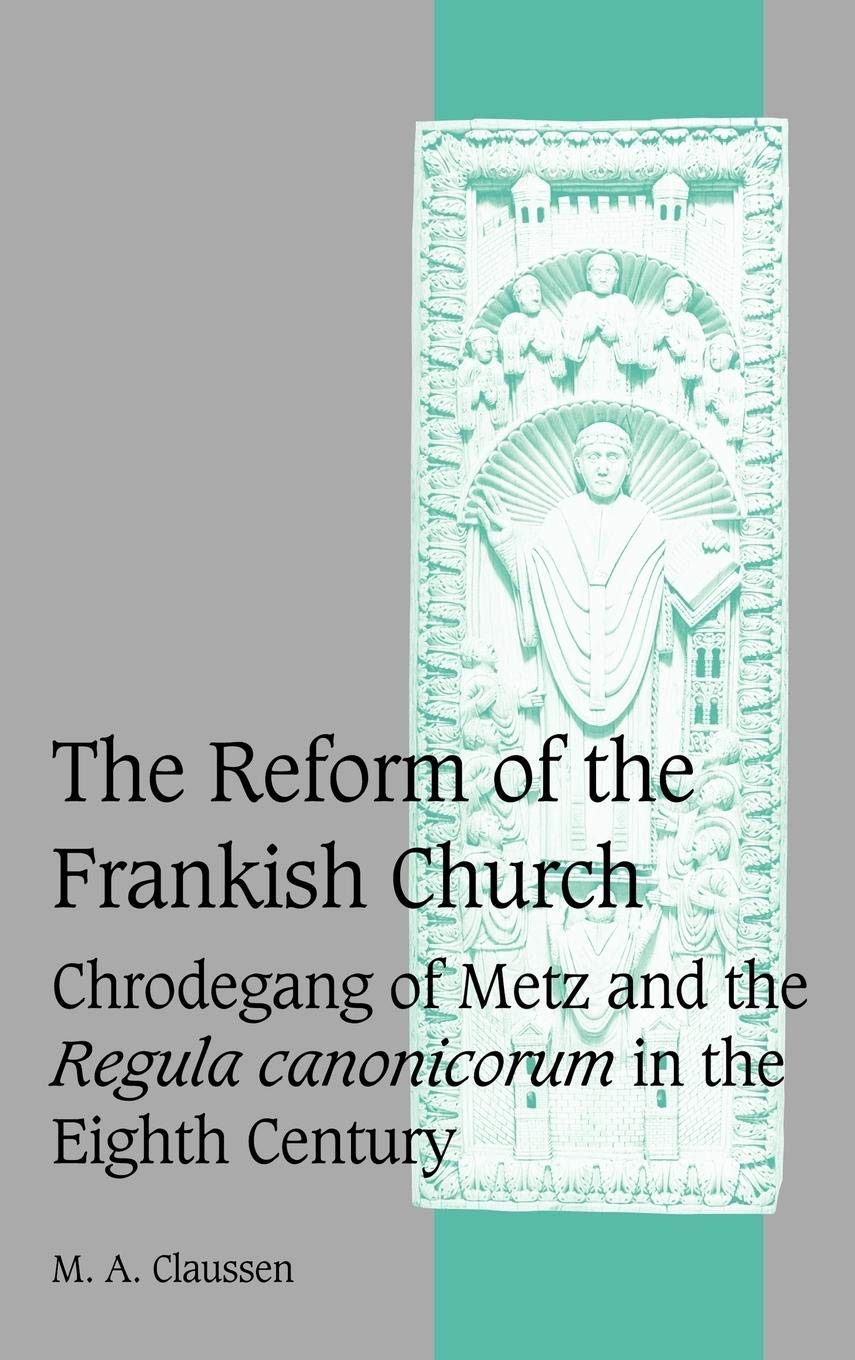
The Reform of the Frankish Church: Chrodegang of Metz Insights
The Reform of the Frankish Church: Chrodegang of Metz Insights
Price subject to change. Tap below for current.
Couldn't load pickup availability
The Reform of the Frankish Church: Chrodegang of Metz and the Regula canonicorum in the Eighth Century is a profound exploration of the ecclesiastical transformations during a pivotal era in medieval history. This scholarly work delves into the life and influence of Chrodegang of Metz, a key figure in the reform movement, and his contributions to the Frankish Church.
In this comprehensive study, readers will uncover the intricacies of the Regula canonicorum, a set of guidelines that shaped monastic life and clerical conduct. The author meticulously examines how these regulations were instrumental in establishing a more structured and disciplined church, reflecting the broader societal changes of the time. The book provides an in-depth analysis of the eighth-century reforms that aimed to enhance the moral and spiritual integrity of the clergy.
One of the standout features of this work is its detailed examination of the historical context surrounding Chrodegang's reforms. The author contextualizes the challenges faced by the Frankish Church, including the need for greater adherence to Christian values and the push for a unified ecclesiastical authority. This backdrop sets the stage for understanding the significance of the Regula canonicorum and its lasting impact on church governance.
Moreover, the book highlights the interplay between political power and religious authority during this transformative period. Chrodegang's reforms were not merely ecclesiastical; they were deeply intertwined with the political landscape of the Frankish realm. The author skillfully illustrates how these reforms were both a response to and a catalyst for broader changes in Frankish society, making it a vital read for those interested in medieval history.
Readers will appreciate the author's rigorous approach to historical sources, providing a well-rounded perspective on the subject matter. The use of primary texts and contemporary accounts enriches the narrative, allowing for a deeper understanding of Chrodegang's motivations and the reception of his reforms. This scholarly rigor is complemented by a clear and engaging writing style, making complex ideas accessible to a wider audience.
In conclusion, The Reform of the Frankish Church: Chrodegang of Metz and the Regula canonicorum in the Eighth Century is an essential addition to the library of anyone interested in church history, medieval studies, or the evolution of Christian practices. The book not only sheds light on a crucial figure and his reforms but also invites readers to reflect on the enduring legacy of these changes in contemporary religious life.
Share