Conversation and Gender: A Comprehensive Exploration of Dialogue
Conversation and Gender: A Comprehensive Exploration of Dialogue
Price subject to change. Tap below for current.
Couldn't load pickup availability
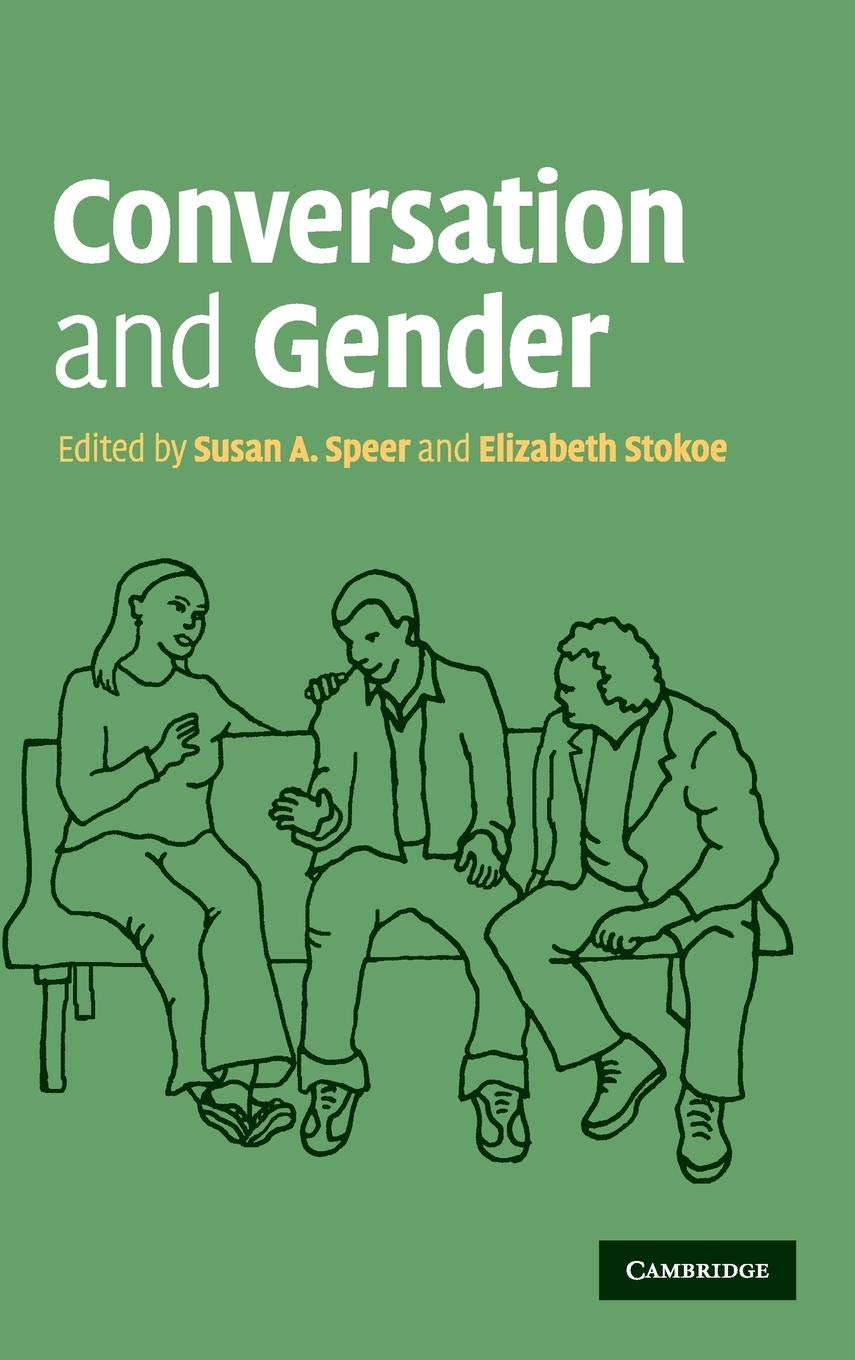
The book Conversation and Gender by Susan A. Speer and Elizabeth Stokoe offers an in-depth analysis of how gender influences communication styles. This insightful work delves into the nuances of dialogue, examining the ways in which men and women engage in conversation differently. With a focus on real-world examples, the authors illustrate the complexities of gendered communication.
One of the key features of this book is its exploration of gendered language. The authors provide a thorough examination of how language reflects and reinforces societal norms regarding gender. Through various case studies, readers will gain a better understanding of the implications of language use in everyday interactions.
Additionally, the book addresses the role of power dynamics in conversation. Speer and Stokoe highlight how power can shift in dialogue based on gender, context, and social status. This analysis is crucial for anyone looking to navigate conversations in a more informed manner.
Another significant aspect of Conversation and Gender is its focus on nonverbal communication. The authors discuss how body language, tone, and other nonverbal cues contribute to the overall message being conveyed. This section is particularly valuable for those interested in improving their interpersonal skills.
Throughout the book, readers will find a wealth of research and theoretical frameworks that support the authors' arguments. The integration of empirical studies provides a solid foundation for understanding the complexities of gender in conversation. This makes the book not only informative but also a critical resource for scholars and practitioners alike.
Moreover, the authors emphasize the importance of contextual factors in shaping communication. They argue that understanding the situational context is vital for interpreting conversations accurately. This perspective encourages readers to consider the broader social and cultural influences on dialogue.
In conclusion, Conversation and Gender is an essential read for anyone interested in the intersection of gender and communication. Its comprehensive approach and engaging writing style make it accessible to a wide audience, from students to professionals. This book is sure to enhance your understanding of how gender shapes our conversations and interactions.
Share