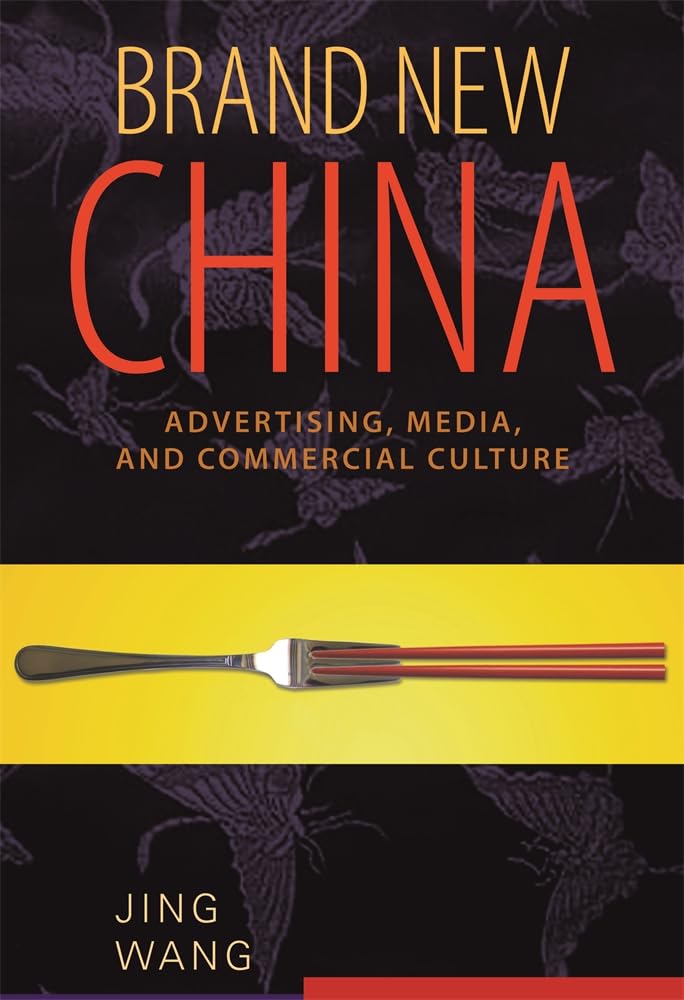
Brand New China: Advertising, Media, and Commercial Culture Review
Brand New China: Advertising, Media, and Commercial Culture Review
Price subject to change. Tap below for current.
Couldn't load pickup availability
Brand New China is an insightful exploration of the rapidly evolving landscape of advertising and media in contemporary China. Authored by Jing Wang, this book delves into the intricate relationship between commercial culture and societal transformation, providing readers with a comprehensive understanding of how these elements intertwine.
In the first chapter, Wang discusses the historical context of advertising in China, tracing its roots from the early days of the Republic to the present. This background sets the stage for understanding the profound changes that have occurred in the last few decades, particularly after the economic reforms initiated in the late 20th century.
The book is rich with examples of how media representation has evolved, showcasing various advertising campaigns that reflect the shifting values and aspirations of Chinese society. Wang meticulously analyzes these campaigns, revealing the underlying messages and cultural implications they carry.
One of the standout features of this work is its examination of the role of digital media in shaping consumer behavior. As China becomes increasingly connected, the impact of social media platforms on advertising strategies cannot be overstated. Wang highlights how brands leverage these platforms to engage with younger audiences, creating a dynamic interplay between consumers and advertisers.
Wang also addresses the challenges faced by advertisers in a rapidly changing market. The book discusses the importance of understanding local cultures and preferences, emphasizing that successful advertising in China requires a nuanced approach. This section is particularly valuable for marketers looking to penetrate the Chinese market.
Furthermore, the book explores the concept of cultural identity in advertising. Wang argues that as China continues to assert its presence on the global stage, the portrayal of Chinese culture in advertisements plays a crucial role in shaping both domestic and international perceptions. This discussion is timely and relevant, given the current geopolitical climate.
In conclusion, Brand New China is not just a book about advertising; it is a critical examination of how media and commercial culture reflect and influence societal changes. Jing Wang's thorough research and engaging writing style make this book a must-read for anyone interested in understanding the complexities of modern China.
Share