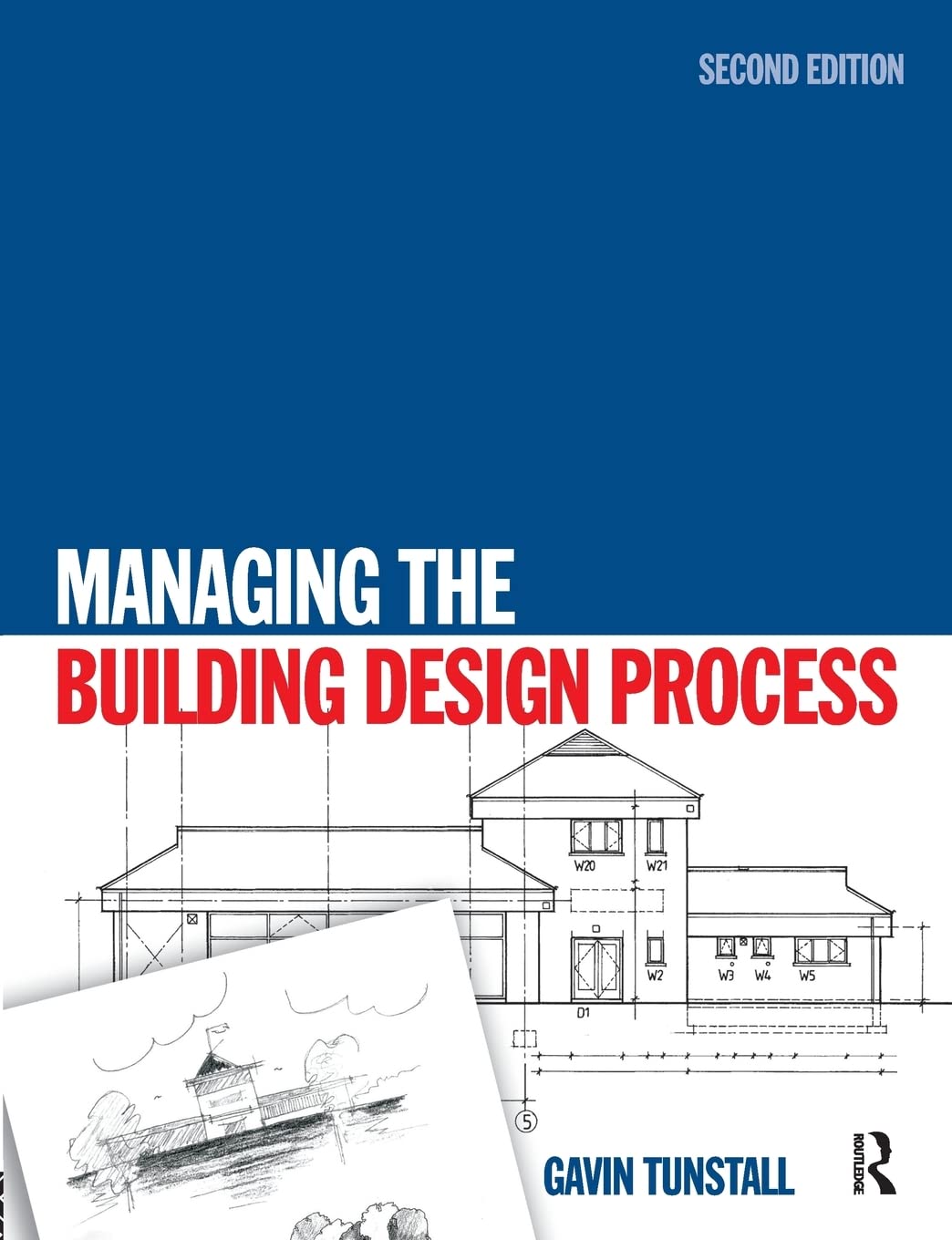
Managing the Building Design Process: A Comprehensive Guide
Managing the Building Design Process: A Comprehensive Guide
Price subject to change. Tap below for current.
Couldn't load pickup availability
In the world of architecture and construction, Managing the Building Design Process is an essential resource for professionals looking to enhance their skills. This book provides a thorough understanding of the complexities involved in the design phase of building projects.
Written by industry expert Gavin Tunstall, this guide covers various aspects of the design process, ensuring that readers grasp the critical elements necessary for successful project completion. The book emphasizes the importance of collaboration among stakeholders, making it a vital tool for architects, engineers, and project managers alike.
One of the standout features of this book is its focus on practical strategies. Readers will find valuable insights into effective communication techniques that can streamline the design process. By fostering a collaborative environment, teams can work more efficiently and reduce the likelihood of costly mistakes.
The author also delves into the significance of adhering to regulations and standards in the building design process. Understanding these guidelines is crucial for ensuring that projects meet safety and quality benchmarks. This book serves as a comprehensive reference for navigating the often-complex landscape of building codes.
Moreover, the text highlights the role of technology in modern design practices. With the rise of digital tools, professionals can now utilize advanced software solutions to enhance their design capabilities. This book explores how these technologies can be integrated into the workflow, improving overall productivity.
Another key aspect covered in the book is the importance of sustainability in building design. As environmental concerns continue to grow, architects and designers must prioritize eco-friendly practices. This guide offers insights into how to incorporate sustainable materials and energy-efficient systems into projects.
Throughout the chapters, readers will encounter real-world case studies that illustrate the principles discussed. These examples provide practical applications of the concepts, making it easier for professionals to relate to the material. The inclusion of case studies enhances the learning experience and encourages readers to think critically about their own projects.
In conclusion, Managing the Building Design Process is an indispensable resource for anyone involved in the construction industry. Its comprehensive approach, practical strategies, and emphasis on collaboration make it a must-have for professionals seeking to elevate their understanding of the design process. Whether you are a seasoned expert or just starting in the field, this book will equip you with the knowledge and tools necessary for success.
Share