Prison and Plantation: Crime, Justice, and Authority in Massachusetts
Prison and Plantation: Crime, Justice, and Authority in Massachusetts
Price subject to change. Tap below for current.
Couldn't load pickup availability
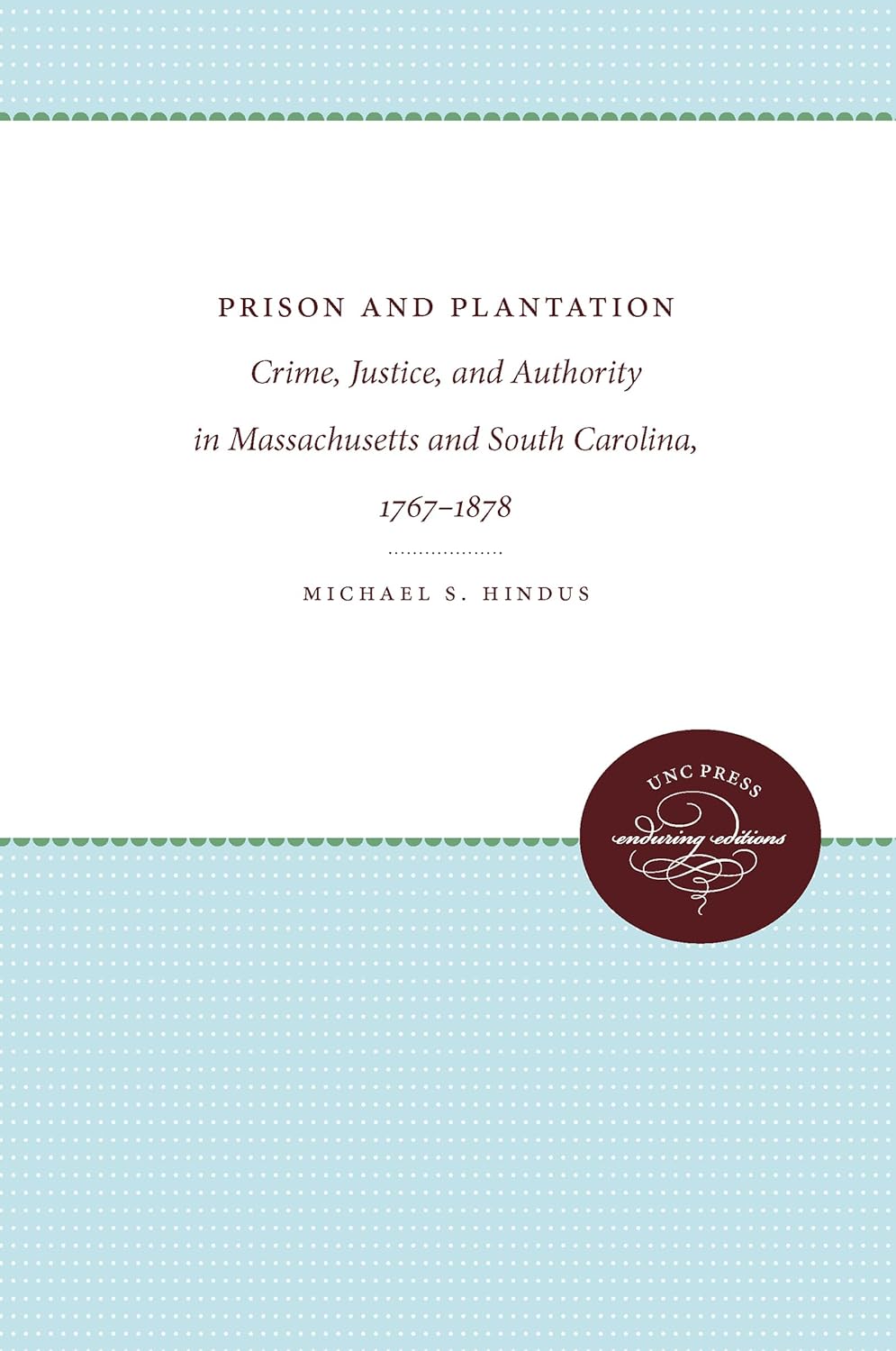
Prison and Plantation offers a compelling exploration of the intertwined histories of crime, justice, and authority in two distinct regions: Massachusetts and South Carolina. This book delves into the complexities of the legal systems that governed these areas from 1767 to 1878, providing readers with a nuanced understanding of how societal norms shaped the enforcement of laws.
In Massachusetts, the evolution of crime and justice reflects the changing attitudes towards punishment and rehabilitation. The author, Michael S. Hindus, meticulously examines the legal frameworks that emerged during this period, highlighting the tensions between colonial practices and emerging democratic ideals. The narrative is rich with historical context, making it an essential read for anyone interested in the development of American legal history.
Conversely, South Carolina's history is marked by the legacy of the plantation system, where authority and control were often maintained through oppressive legal measures. Hindus sheds light on how the justice system was manipulated to uphold the institution of slavery, revealing the stark contrasts between the two regions. This comparative analysis not only enriches our understanding of regional differences but also underscores the broader implications of legal practices in shaping societal structures.
The book is meticulously researched, drawing on a wealth of primary sources that bring to life the voices of those who navigated these complex legal landscapes. Readers will find themselves immersed in the stories of individuals caught in the web of crime and punishment, from the accused to the enforcers of the law. Hindus' narrative style makes the historical content accessible, engaging, and thought-provoking.
Furthermore, the book addresses the role of authority in both regions, examining how power dynamics influenced legal outcomes. The author argues that understanding these dynamics is crucial for comprehending the evolution of justice in America. The interplay between local customs and formal legal codes is explored in depth, providing a comprehensive view of how justice was administered.
In conclusion, Prison and Plantation is an invaluable contribution to the field of legal history. It not only highlights the specific historical contexts of Massachusetts and South Carolina but also invites readers to reflect on the ongoing implications of these histories in contemporary discussions about justice and authority. This book is a must-read for historians, legal scholars, and anyone interested in the intricate relationship between law and society.
Share