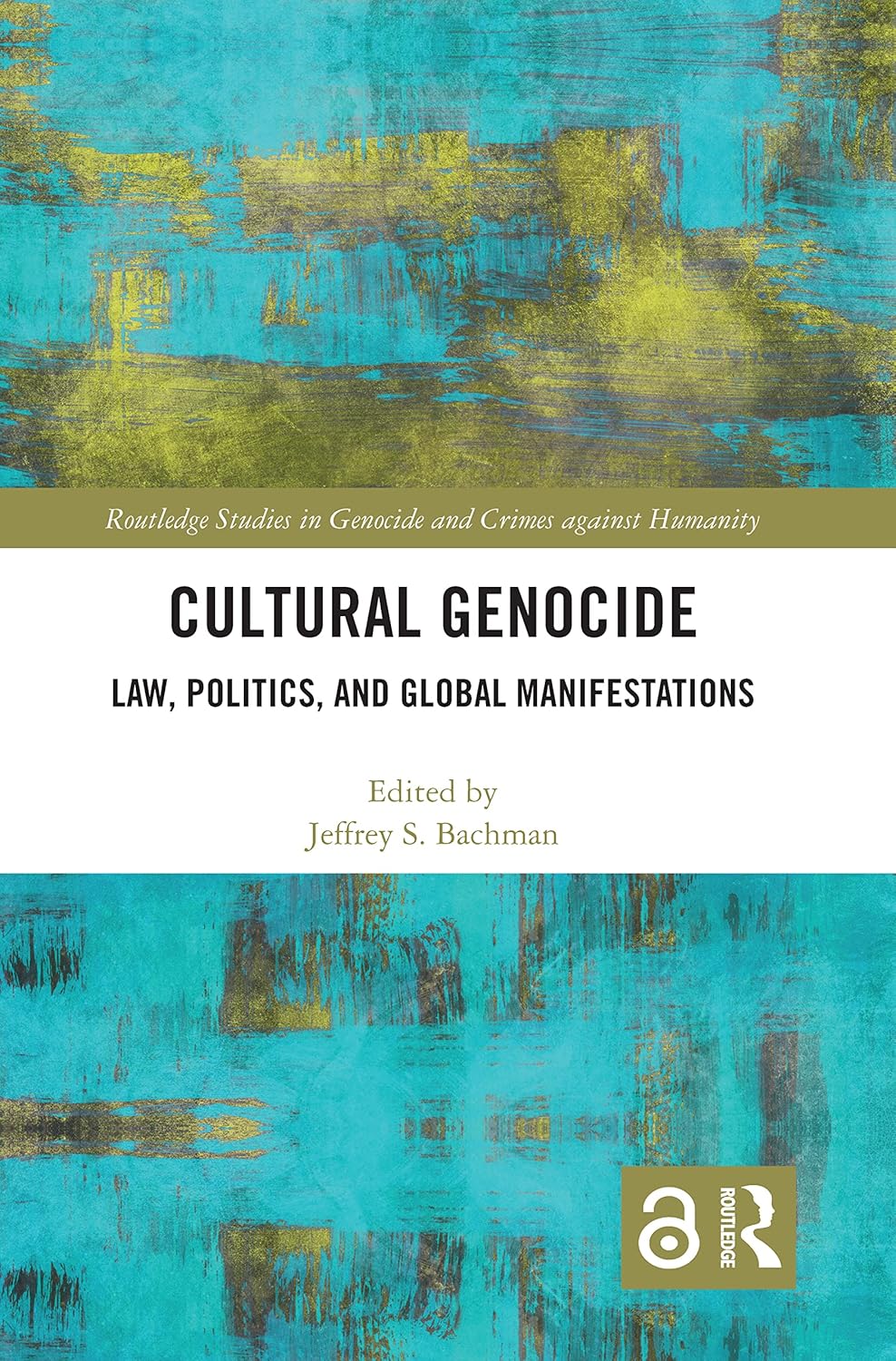
Cultural Genocide: Understanding Its Impact on Humanity
Cultural Genocide: Understanding Its Impact on Humanity
Price subject to change. Tap below for current.
Couldn't load pickup availability
The book Cultural Genocide offers a profound exploration of the devastating effects of cultural erasure on communities worldwide. Written by Jeffrey S. Bachman, this insightful text delves into the mechanisms and consequences of cultural genocide, providing readers with a comprehensive understanding of this pressing issue.
In the pages of Cultural Genocide, Bachman meticulously examines historical and contemporary examples, illustrating how the systematic destruction of cultural identities can lead to profound societal harm. The author emphasizes the importance of recognizing and addressing these acts as crimes against humanity, urging readers to consider the moral implications of cultural loss.
This book is not just an academic treatise; it serves as a call to action. By highlighting the stories of those affected by cultural genocide, Bachman humanizes the statistics and theories, making the subject matter accessible and relatable. The narrative is enriched with case studies that showcase the resilience of cultures fighting against erasure.
One of the standout features of Cultural Genocide is its interdisciplinary approach. Bachman draws from various fields, including anthropology, history, and law, to provide a well-rounded perspective on the topic. This makes the book an invaluable resource for scholars, activists, and anyone interested in understanding the complexities of cultural preservation.
Furthermore, the author discusses the role of international law in combating cultural genocide. He critiques existing frameworks and suggests improvements to better protect vulnerable communities. This critical analysis is essential for policymakers and advocates working towards justice and reconciliation.
Readers will find the writing style engaging and thought-provoking. Bachman's ability to weave together theory and real-world implications makes Cultural Genocide a compelling read. The book challenges us to reflect on our own responsibilities in preserving cultural diversity and combating oppression.
In conclusion, Cultural Genocide is a timely and necessary contribution to the discourse on human rights and cultural preservation. It invites readers to engage with difficult questions about identity, memory, and justice. This book is a must-read for anyone committed to understanding and addressing the impacts of cultural genocide in our world today.
Share