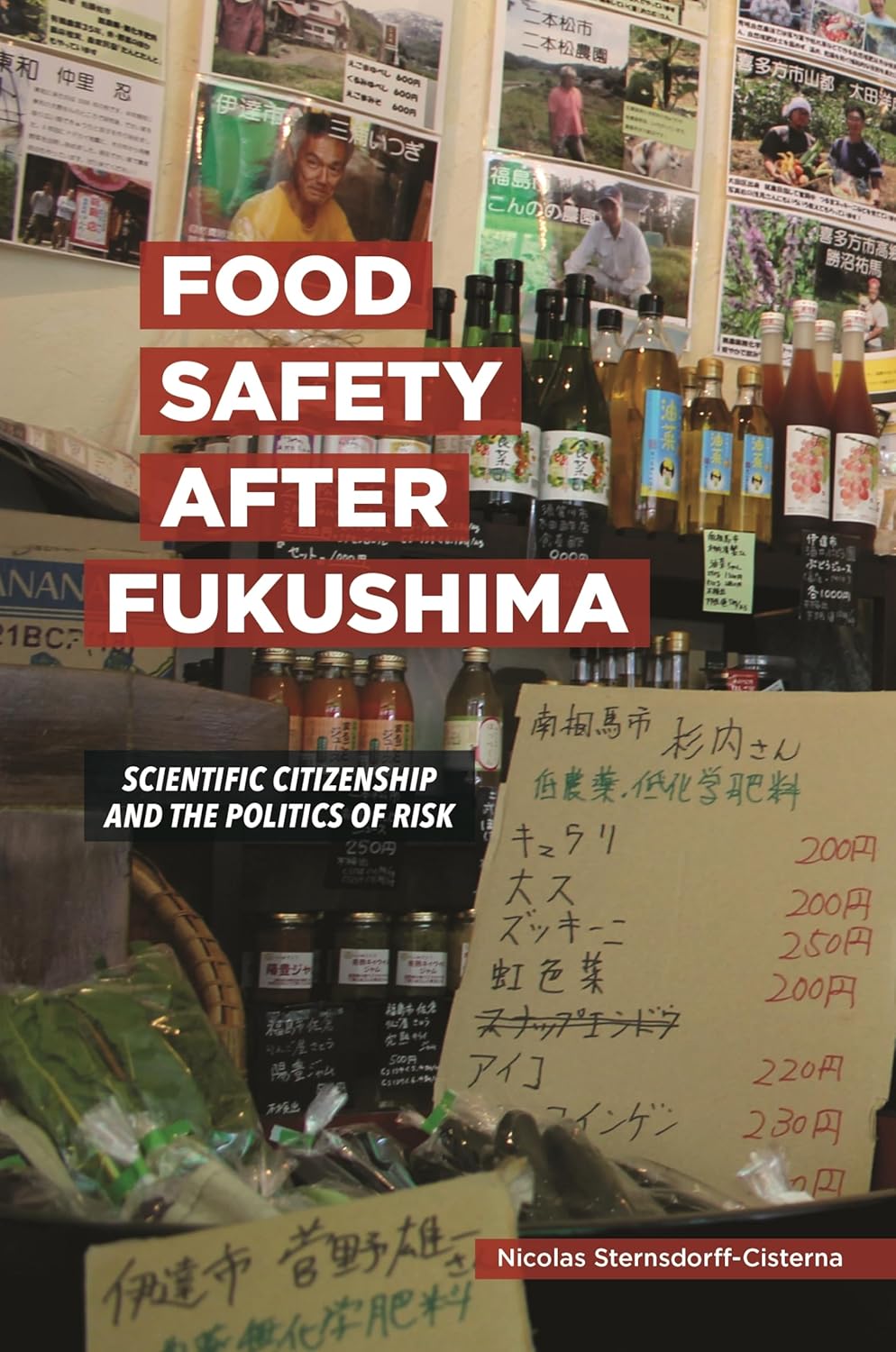
Food Safety after Fukushima: Scientific Citizenship and Risk Politics
Food Safety after Fukushima: Scientific Citizenship and Risk Politics
Price subject to change. Tap below for current.
Couldn't load pickup availability
The book Food Safety after Fukushima by Nicolas Sternsdorff-Cisterna delves into the intricate relationship between science, public perception, and policy-making in the aftermath of the Fukushima disaster. This compelling narrative explores how scientific knowledge is intertwined with societal values and political agendas, particularly in the realm of food safety.
In the wake of the Fukushima nuclear incident, concerns about food safety surged, prompting a reevaluation of existing protocols and regulations. Sternsdorff-Cisterna meticulously examines the role of scientific citizenship, where citizens engage with scientific discourse to influence policy decisions. This concept is crucial in understanding how communities respond to risks associated with food safety.
The author presents a thorough analysis of the politics of risk, highlighting how different stakeholders, including government agencies, scientists, and the public, navigate the complexities of food safety. The book emphasizes the importance of transparency and communication in building trust among these groups, especially when dealing with the uncertainties that arise from nuclear incidents.
Through a series of case studies, the book illustrates the challenges faced by policymakers in ensuring safe food practices while addressing public fears and misconceptions. Sternsdorff-Cisterna argues that effective risk management requires not only scientific expertise but also an understanding of the social dynamics at play.
Moreover, the text discusses the implications of scientific research on public health and safety, advocating for a more inclusive approach to policy-making. By fostering a dialogue between scientists and citizens, the book suggests that we can create a more resilient framework for addressing food safety concerns in the future.
In conclusion, Food Safety after Fukushima serves as a vital resource for anyone interested in the intersection of science, policy, and public engagement. It challenges readers to reconsider their role in the scientific discourse surrounding food safety and encourages a proactive stance in advocating for informed decision-making. This book is essential for understanding the ongoing implications of the Fukushima disaster on global food safety standards.
Share