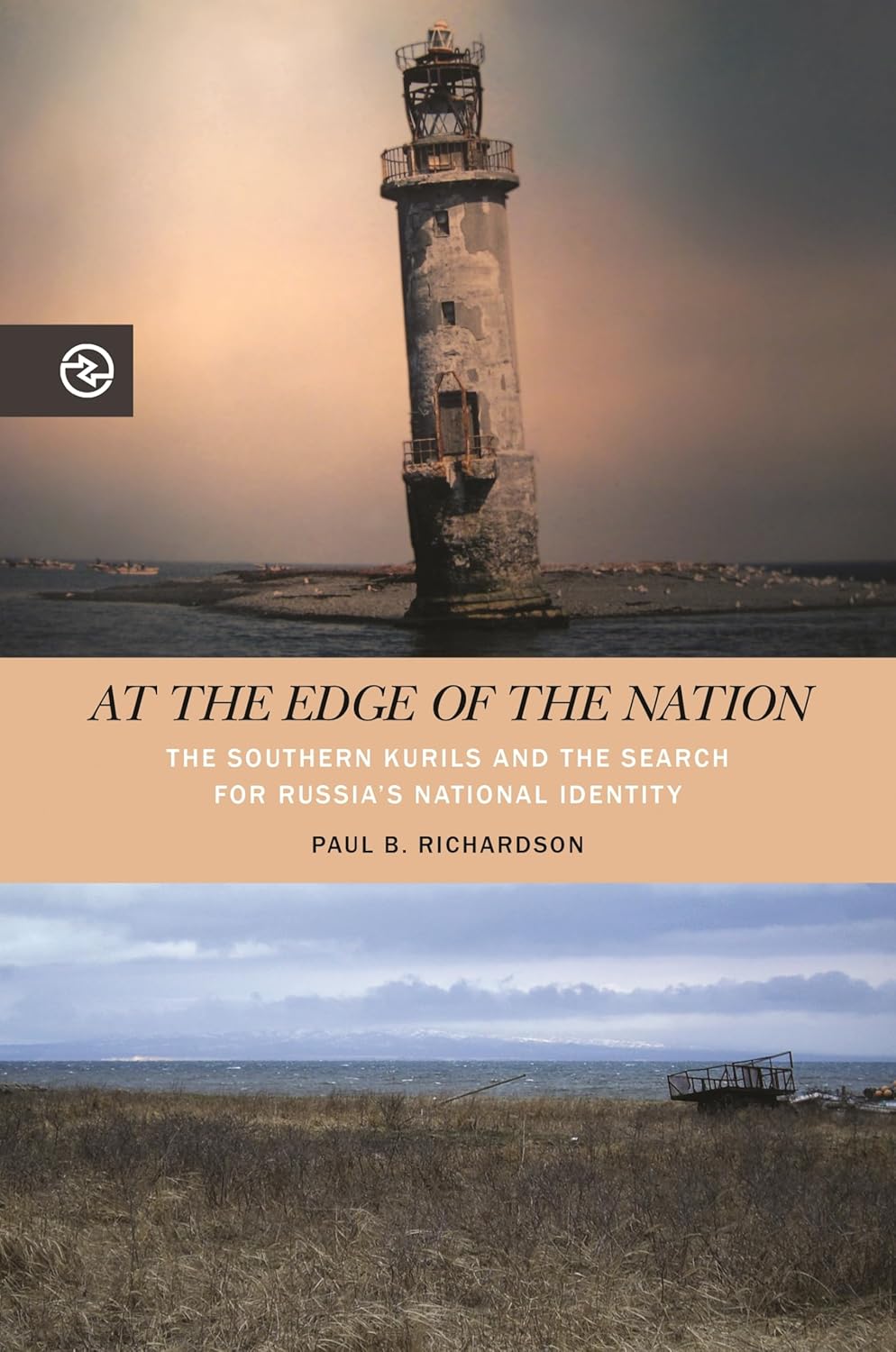
At the Edge of the Nation: The Southern Kurils and Identity
At the Edge of the Nation: The Southern Kurils and Identity
Price subject to change. Tap below for current.
Couldn't load pickup availability
In At the Edge of the Nation, Paul B. Richardson explores the intricate relationship between the Southern Kurils and Russia's national identity. This compelling book delves into the historical and cultural significance of these islands, shedding light on their role in shaping Russian identity. The Southern Kurils, often overlooked, are a vital part of Russia's territorial narrative, and Richardson's work brings them to the forefront.
The author meticulously examines the geopolitical tensions surrounding the Southern Kurils, particularly in relation to Japan. By analyzing the historical claims and the ongoing disputes, Richardson provides readers with a comprehensive understanding of how these islands are perceived both domestically and internationally. The book is not just a historical account; it is a profound exploration of national identity and the complexities that arise from territorial disputes.
Richardson's writing is engaging and accessible, making complex topics understandable for a wide audience. He combines rigorous research with a narrative style that captivates readers. The book is enriched with personal anecdotes and interviews, adding depth to the analysis of the Southern Kurils. This approach allows readers to connect with the material on a personal level, making the historical context more relatable.
One of the standout features of this book is its focus on the cultural aspects of the Southern Kurils. Richardson highlights the unique traditions and lifestyles of the indigenous peoples living in this region. By doing so, he emphasizes the importance of cultural heritage in the broader discussion of national identity. The Southern Kurils are not just a geopolitical issue; they are home to vibrant communities with rich histories.
The book also addresses the environmental challenges faced by the Southern Kurils. Richardson discusses how these challenges impact both the local population and the broader ecological landscape. This aspect of the narrative underscores the interconnectedness of identity, culture, and the environment in shaping the future of the Southern Kurils.
In conclusion, At the Edge of the Nation is a must-read for anyone interested in Russian history, geopolitics, and cultural studies. Paul B. Richardson's insightful analysis and engaging writing style make this book a valuable addition to the literature on national identity. Whether you are a scholar, student, or simply a curious reader, this book will provide you with a deeper understanding of the Southern Kurils and their significance in the context of Russia's national narrative.
Share