

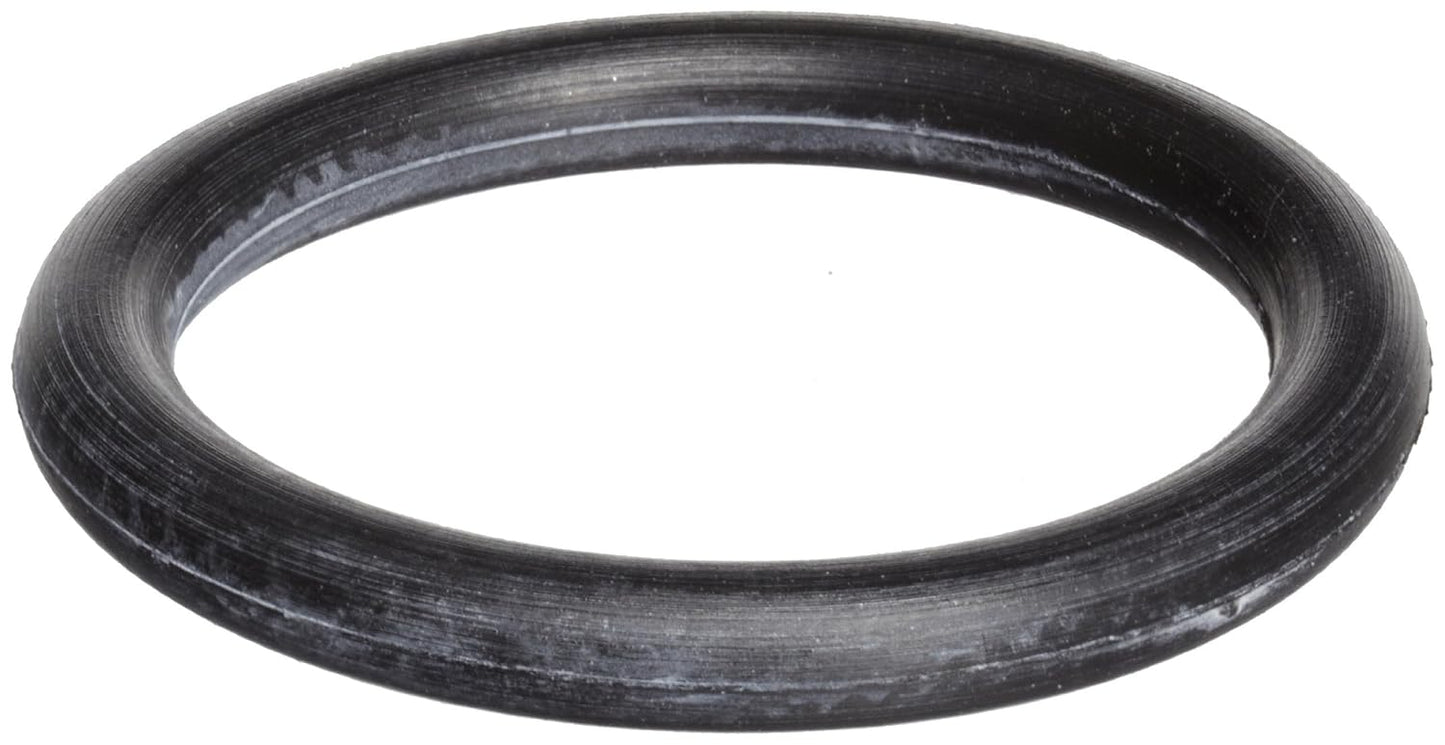
164 Viton O-Ring 75A Durometer 6-1/4 in ID - Pack of 25
164 Viton O-Ring 75A Durometer 6-1/4 in ID - Pack of 25
Price subject to change. Tap below for current.
Couldn't load pickup availability
Our review of the 164 Viton O-Ring focuses on practical replacement and maintenance use where chemical and heat resistance matter most. These black, round O-rings are intended for technicians, workshop owners, and hobbyists who need a reliable seal that holds up under fuel exposure and elevated temperatures; the single biggest reason to buy is their material choice - Viton fluorocarbon elastomer - which provides broad compatibility with fuels, aromatic and aliphatic hydrocarbons, and high temperature service up to 400 degrees F. The review examines fit, durability, and where this pack of 25 makes sense as a stock item.
Key Features
- Material: Viton fluorocarbon elastomer gives strong resistance to fuels, aromatic and aliphatic hydrocarbons, and many chemicals, reducing seal failures in fuel-related systems.
- Temperature range: Rated for use from -15 degrees F to 400 degrees F, allowing the rings to perform in both cold storage and engine-heat conditions.
- Durometer hardness: At 75A shore durometer the O-ring balances flexibility and resistance to penetration for dependable sealing under pressure.
- Form and size: Round cross-section with a 6-1/4 in ID and 6-7/16 in OD provides a predictable compression fit on overlapping cylindrical surfaces.
- Pack quantity: Supplied as a pack of 25, useful for maintenance shops or projects that require multiple replacements without frequent reordering.
Who It's For
This product is best for maintenance professionals, hydraulic and plumbing technicians, and users replacing seals on fuel bottles, barrels, or fittings exposed to fuels, aromatic hydrocarbons, or silicone oils. The pack size and durable material make it convenient for any workshop that services engines, fuel systems, or vacuum equipment.
Those who should look elsewhere include users requiring compatibility with strong alkalis, ammonia gas, or glycol-based brake fluids, since Viton is vulnerable to these substances, and applications that need elastomers rated below -26 degrees C or above 205 degrees C continuous service without confirmation of limits.
Pros & Cons
Pros
- Excellent chemical and fuel resistance for long-lasting seals in fuel-exposed assemblies.
- Wide usable temperature band that covers most automotive and industrial needs.
- Pack of 25 offers strong value for shops and repeated replacement tasks.
Cons
- Not suitable for exposure to low molecular organic acids, ammonia, alkalis, and certain brake fluids, which limits use in some chemical systems.
Specifications
| Material | Viton (fluorocarbon elastomer) |
| Color | Black |
| Inner diameter | 6-1/4 in |
| Outer diameter | 6-7/16 in |
| Width (cross-section) | 3/32 in |
| Durometer | 75A shore |
| Temperature range | -15 degrees F to 400 degrees F |
Our Verdict
The 164 Viton O-Ring pack is a practical choice for anyone needing dependable fuel and heat-resistant seals; it delivers good durability and value when used in compatible systems. Buy this pack if you need consistent sizing, resistance to hydrocarbons and high temperatures, and a ready supply for maintenance tasks - but avoid it where exposure to alkalis, ammonia, or glycol brake fluids is expected.
Frequently Asked Questions
Are these O-rings compatible with gasoline and diesel?
Yes, Viton is compatible with many fuels including aromatic and aliphatic hydrocarbons, making these O-rings suitable for gasoline and similar fuels.
Will they work at engine operating temperatures?
Yes, the O-rings are rated up to 400 degrees F and will handle most engine and surrounding heat conditions when used within that range.
Can these be used in brake systems?
No, Viton is vulnerable to glycol-based brake fluids, so these O-rings should not be used in brake system applications.
Editor's Take
The 164 Viton O-Ring pack is a practical, cost-effective choice for fuel and heat-resistant sealing needs; it offers durable performance up to 400 degrees F and good chemical compatibility, but should be avoided where exposure to alkalis or glycol brake fluids occurs.

Recently viewed
Recently viewed products will appear here as customers browse the store.