

3D Printing of Pharmaceuticals - Practical Guide to Clinical
3D Printing of Pharmaceuticals - Practical Guide to Clinical
Price subject to change. Tap below for current.
Couldn't load pickup availability
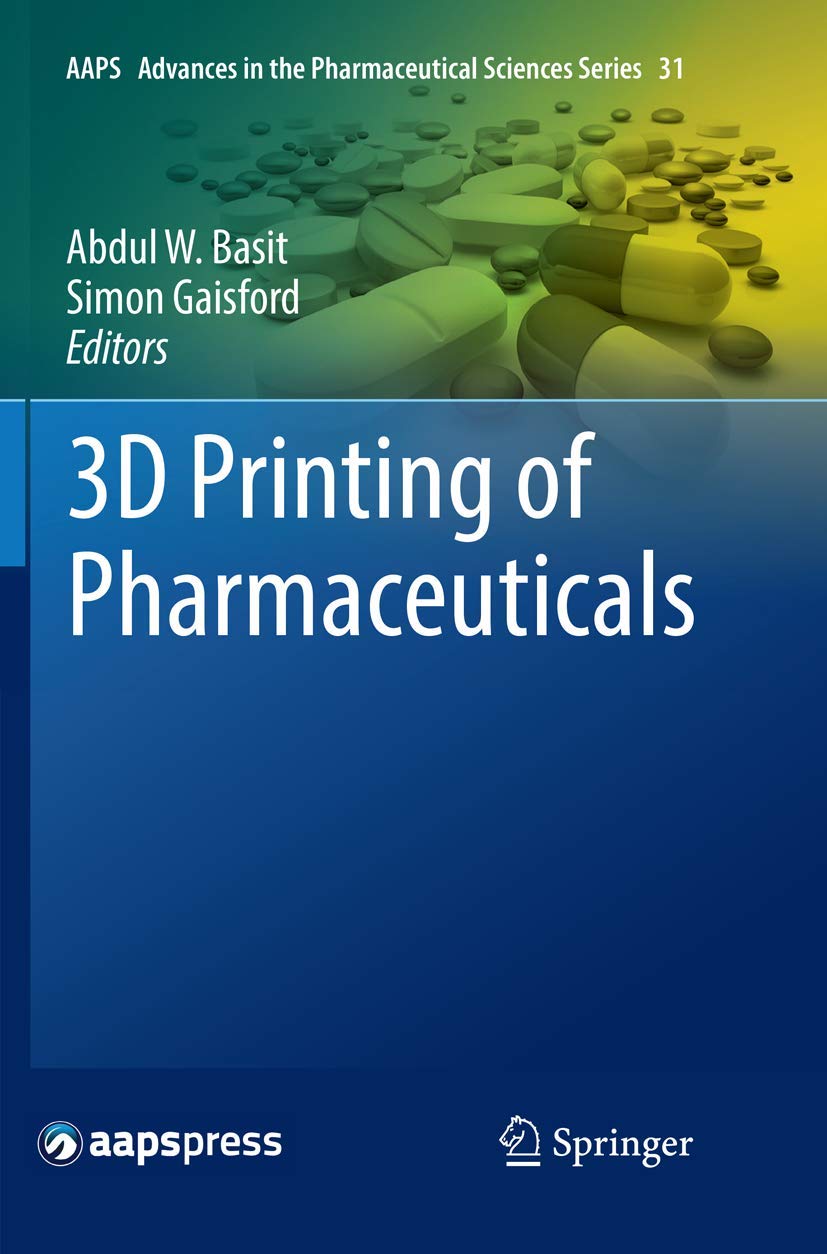
In this review of 3D Printing of Pharmaceuticals, the bottom line is straightforward: this volume is best for scientists, formulation scientists and clinicians who want a rigorous, translational overview of additive manufacturing in medicine. The book's biggest reason to buy is its focused emphasis on moving 3D printing technologies from laboratory demonstration into clinical practice, presented by contributors who are active in pharmaceutical research and regulation. Our review finds it valuable as a technical reference rather than a casual introduction.
Key Features
- Translational focus: The text concentrates on practical pathways for converting printing techniques into clinical and manufacturing workflows, helping readers understand real-world application hurdles.
- Wide coverage of techniques: Multiple 3D printing approaches are reviewed so readers can compare methods relevant to dosage form design, implants and regenerative medicine.
- Expert contributors: Chapters are written by active researchers and practitioners, which provides credible insight into current capabilities and limitations in the field.
- Clinical pharmacy relevance: The book discusses how printing could enable personalised medicines, making it useful for pharmacists exploring new dispensing and formulation models.
- Pre-clinical to clinical scope: Content spans from pre-clinical drug development through fabrication of functionalised implants, helping multidisciplinary teams plan across stages.
- Definitive reference intent: The volume aims to be a comprehensive resource for anyone developing or using 3D printing in pharmaceuticals, supporting longer-term study and implementation.
Who It's For
This book is aimed primarily at formulation scientists, pharmaceutical engineers, clinical pharmacists and academic researchers who need a technical, translational perspective on additive manufacturing in medicine. It suits readers who already have background knowledge in pharmaceutics and want to understand how 3D printing can be integrated into development and clinical pathways.
Those seeking a brief primer for lay audiences or basic hobbyist guides to desktop 3D printing should look elsewhere; this title assumes familiarity with pharmaceutical concepts and focuses on professional, regulatory and clinical translation rather than consumer-level how-to instruction.
Pros & Cons
Pros
- Comprehensive translational emphasis makes it a useful roadmap for taking technologies into clinical use.
- Coverage across techniques offers comparative insight for selecting appropriate printing methods for specific applications.
- Authored by subject-matter experts, lending practical credibility to recommendations and case discussions.
Cons
- The material is technical and assumes prior knowledge, so it is not suited to casual readers or beginners without pharmaceutical background.
Specifications
| Title | 3D Printing of Pharmaceuticals (AAPS Advances in the Pharmaceutical Sciences Series, 31) |
| Editors / Authors | Abdul W. Basit; Simon Gaisford |
| Subject | 3D printing technologies applied to pharmaceutical development and clinical translation |
| Scope | Pre-clinical drug development, dosage form design, implants, regenerative medicine, personalised medicines |
| Intended audience | Researchers, formulation scientists, clinical pharmacists, pharmaceutical engineers |
| Series | AAPS Advances in the Pharmaceutical Sciences Series, volume 31 |
Our Verdict
3D Printing of Pharmaceuticals is a well-targeted, practical reference for professionals who plan to translate additive manufacturing into clinical practice. Its expert-led chapters and translational emphasis make it good value for researchers and clinicians seeking depth rather than a simple overview, though it is best suited to those with existing pharmaceutical knowledge.
Frequently Asked Questions
Does this book cover clinical applications of 3D printing?
Yes, the volume explicitly discusses translation into clinical pharmacy practice and the fabrication of functionalised implants and regenerative medicine applications.
Is this suitable for beginners with no pharmaceutical background?
No, the book assumes familiarity with pharmaceutical and formulation concepts and is aimed at professionals and researchers rather than casual readers.
Will the book help implement 3D printing in a manufacturing setting?
It focuses on practical pathways and considerations for taking printing technologies toward clinical and manufacturing workflows, making it a useful resource for planning implementation.
Editor's Take
A practical, expert-led reference for formulation scientists and clinicians seeking to translate 3D printing into clinical practice; detailed and technical, best for professionals rather than beginners.

Recently viewed
Recently viewed products will appear here as customers browse the store.