

A Designers Guide to Built-In Self-Test - Practical BIST
A Designers Guide to Built-In Self-Test - Practical BIST
Price subject to change. Tap below for current.
Couldn't load pickup availability
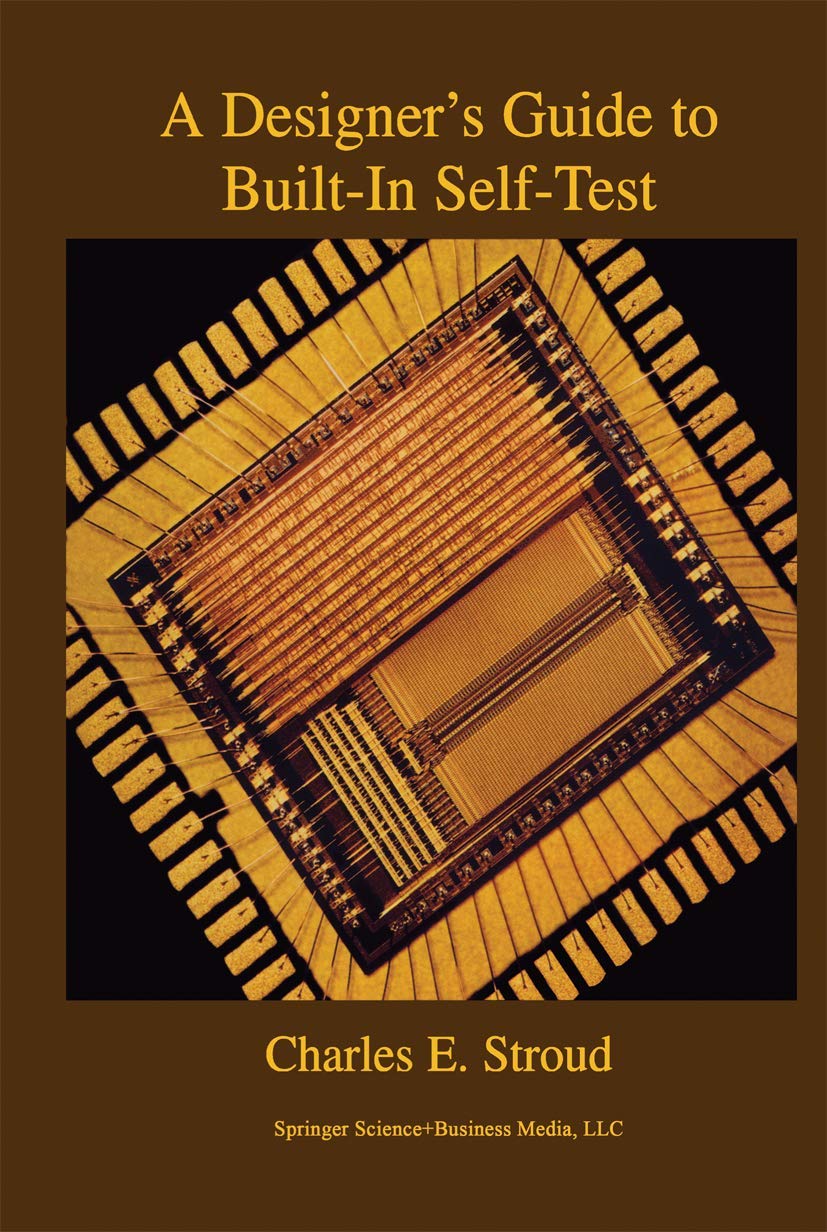
In this review of A Designers Guide to Built-In Self-Test, the bottom line is simple: this book is for hardware designers and test engineers who need a focused, practical survey of Built-In Self-Test approaches developed since 1980. Charles E. E. Stroud writes from a designer's perspective, and the single biggest reason to buy is the book's clear coverage of multiple BIST techniques and their tradeoffs, which helps readers decide which method fits a given design or testing constraint.
Key Features
- Comprehensive historical overview: Describes the evolution of BIST since its proposal around 1980 so readers understand how current methods developed.
- Range of BIST approaches: Covers Built-In Logic Block Observer, pseudo-exhaustive BIST, Circular BIST and scan-based BIST to compare techniques across use cases.
- Application to modern fabrics: Includes discussion of BIST for FPGAs and CPLDs, which is useful for designers working with programmable logic.
- Mixed-signal and on-line testing: Addresses mixed-signal BIST and integration with concurrent fault detection for systems requiring continuous monitoring.
- Practical focus: Written from a designer's perspective with attention to advantages and limitations, aiding real-world decision making.
Who It's For
This book is aimed at practicing electronic designers, test engineers, and graduate students who need a practical reference on Built-In Self-Test techniques and tradeoffs. It is most helpful when you want to compare methods such as pseudo-exhaustive BIST or scan-based BIST and understand where each approach is appropriate.
Those seeking hands-on tutorials with step-by-step lab exercises or a beginner's primer in digital design fundamentals should look elsewhere, since the text assumes familiarity with circuit testing concepts and focuses on BIST strategies rather than basic electronics instruction.
Pros & Cons
Pros
- Wide coverage of BIST methods gives readers multiple options to evaluate for different architectures.
- Includes material on FPGAs, CPLDs and regular structures, which is valuable for contemporary design environments.
- Discusses integration with concurrent fault detection for on-line testing, a practical concern for many systems.
- Author's designer perspective highlights real tradeoffs rather than purely theoretical results.
Cons
- Not a beginner textbook; it assumes prior knowledge of testing and circuit design which may limit accessibility.
Specifications
| Title | A Designers Guide to Built-In Self-Test |
| Author | Charles E. E. Stroud |
| Focus | Built-In Self-Test approaches and integration |
| Topics Covered | BILBO, pseudo-exhaustive, Circular BIST, scan-based, FPGA/CPLD BIST |
| Specialty Areas | Mixed-signal BIST and on-line concurrent fault detection |
| Perspective | Designer-oriented analysis of advantages and limitations |
Our Verdict
For practicing engineers and advanced students who need a concentrated, practical review of Built-In Self-Test options, this book is a strong value; it lays out techniques, tradeoffs and applications for modern devices such as FPGAs and mixed-signal systems. Buy it if you want a designer-focused reference to inform BIST choices rather than an introductory electronics textbook.
Frequently Asked Questions
Does this book cover BIST for programmable logic?
Yes, it explicitly discusses BIST approaches for FPGAs and CPLDs and how those differ from other structures.
Is it suitable for beginners?
No, the book assumes familiarity with circuit testing concepts and is best for designers and test engineers rather than absolute beginners.
Does it address on-line testing?
Yes, the text describes integration of BIST with concurrent fault detection techniques for on-line testing.
Editor's Take
A Designers Guide to Built-In Self-Test is a practical, designer-focused survey of BIST techniques that helps engineers compare approaches for FPGAs, mixed-signal systems and on-line testing; best for experienced designers who need actionable tradeoffs.

Recently viewed
Recently viewed products will appear here as customers browse the store.