

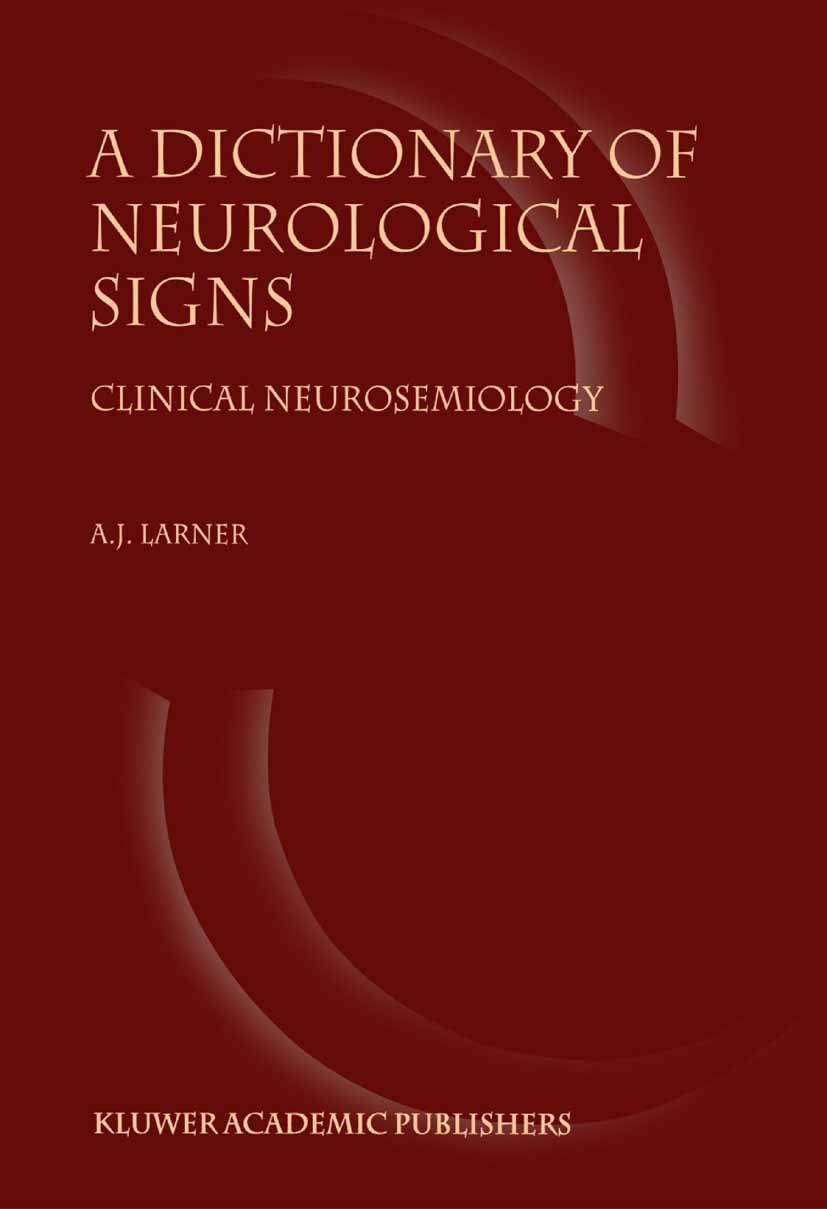
A Dictionary of Neurological Signs: Clinical Neurosemiology
A Dictionary of Neurological Signs: Clinical Neurosemiology
Price subject to change. Tap below for current.
Couldn't load pickup availability
In this review of A Dictionary of Neurological Signs: Clinical Neurosemiology the bottom line is clear: this compact reference is for clinicians and trainees who need precise, examination-led descriptions of neurological findings. The book prioritizes clinical observation over imaging alone and explains why the neurological examination remains central to diagnosis. It is useful as a bedside companion or study aid because entries pair the sign with key history elements and practical interpretation, making it a focused resource rather than an exhaustive textbook.
Key Features
- Concise definitions: Entries provide clear, focused descriptions of neurological signs that are quick to consult during clinical review or study.
- Clinical context: The dictionary includes key features of the history as well as the examination, helping readers interpret signs in real patient encounters.
- Examination emphasis: The text underlines the continuing importance of a careful physical examination when neuroimaging yields abundant but non-specific information.
- Practical scope: The book aims to be informative without being unwieldy, offering a manageable set of terms for routine clinical use.
- Accessible format: Its dictionary structure makes it straightforward to look up specific signs quickly at the bedside or during revision.
Who It's For
The dictionary is best suited to neurologists, neurology trainees, general physicians, and advanced medical students who value a compact, examination-focused reference. It supports clinical reasoning by linking observed signs to likely diagnostic considerations and relevant history points.
Those seeking exhaustive coverage of every eponym, a full textbook on neuroanatomy, or an imaging-focused manual should look elsewhere; this volume does not attempt comprehensive coverage of every rare sign or replace dedicated neuroanatomy or imaging references.
Pros & Cons
Pros
- Practical, bedside-friendly entries that emphasize the clinical examination and interpretation.
- Includes history as well as examination features, improving diagnostic context for signs.
- Concise and manageable in scope, making it easy to consult quickly during clinical work.
Cons
- Not comprehensive; the format deliberately limits exhaustive coverage of every possible sign or eponym.
Specifications
| Title | A Dictionary of Neurological Signs: Clinical Neurosemiology |
| Author/Editor | A.J. Larner |
| Focus | Neurological signs with clinical history and examination features |
| Intended readers | Clinicians, trainees, and advanced students in neurology |
| Approach | Concise, dictionary-style entries emphasizing examination |
| Use case | Bedside reference and study aid |
Our Verdict
This dictionary is a practical, examination-centred reference for clinicians and trainees who need clear descriptions and contextual history for neurological signs. It represents good value for those who want a compact, easy-to-consult guide that reinforces the role of careful clinical examination alongside imaging.
Frequently Asked Questions
Does this book cover history as well as physical signs?
The author includes key history elements alongside examination descriptions to aid interpretation.
Is this suitable for medical students?
Yes; advanced students and trainees will find it a useful study aid, though it is aimed primarily at those with some clinical exposure.
Is it a comprehensive neurology textbook?
No; the dictionary is intentionally concise and does not attempt exhaustive coverage of every sign or eponym.
Editor's Take
A practical, examination-centred reference for clinicians and trainees that provides concise descriptions and contextual history for neurological signs, ideal as a bedside guide and study aid.

Recently viewed
Recently viewed products will appear here as customers browse the store.