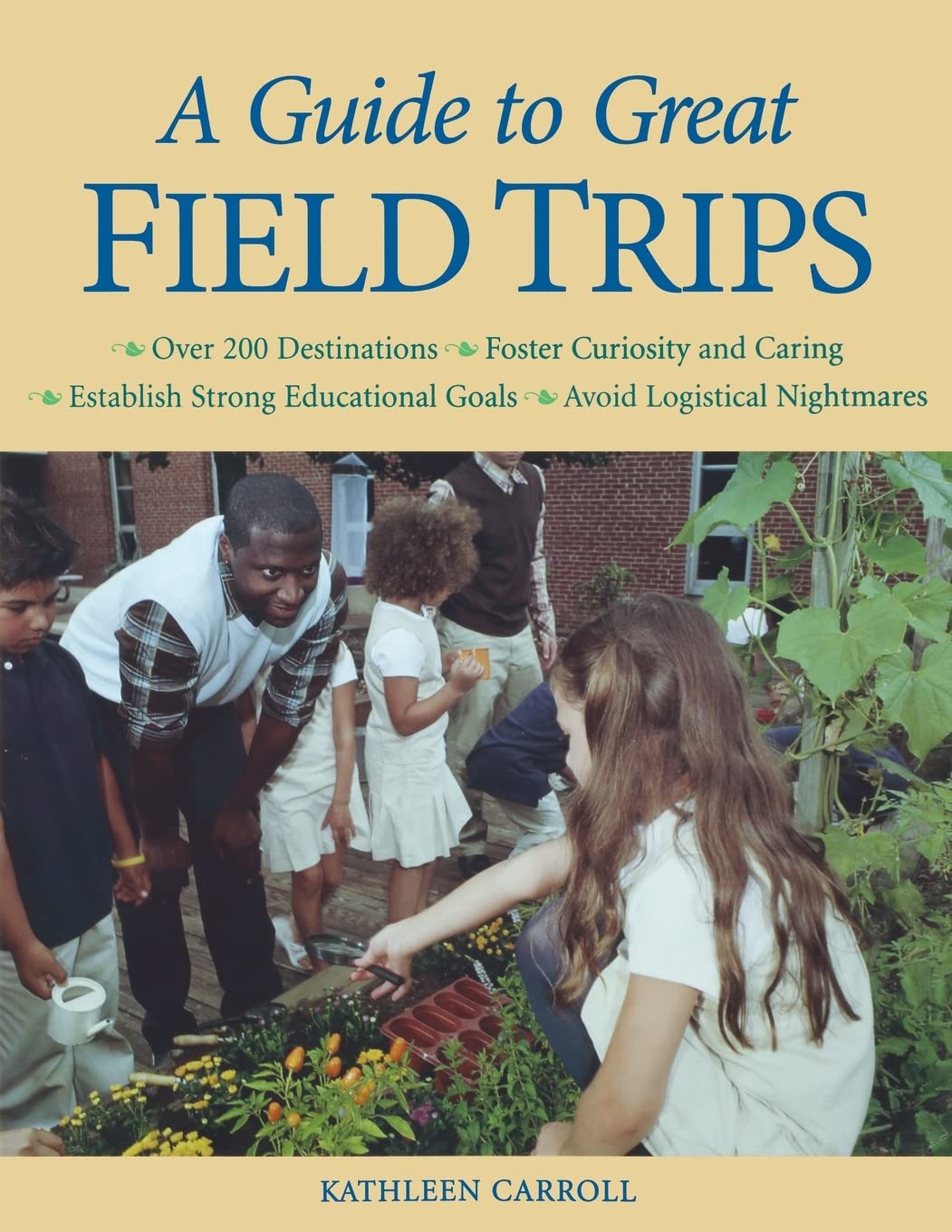
A Guide to Great Field Trips: Enhance Learning Experiences
A Guide to Great Field Trips: Enhance Learning Experiences
Price subject to change. Tap below for current.
Couldn't load pickup availability
Field trips are an essential part of education, providing students with hands-on learning experiences that cannot be replicated in a classroom. In 'A Guide to Great Field Trips', Kathleen Carroll offers invaluable insights into planning and executing successful trips that engage students and enrich their understanding of various subjects.
This comprehensive guide covers everything from selecting the right destination to preparing students for the experience. With practical tips and creative ideas for field trip activities, educators will find themselves equipped to create memorable outings that foster curiosity and excitement about learning.
One of the standout features of this guide is its emphasis on educational value. Each suggested location is evaluated not just for its fun factor, but also for its potential to enhance the curriculum. Carroll provides a detailed analysis of how different sites can align with educational standards, ensuring that every trip is both enjoyable and beneficial.
Moreover, the book includes a variety of checklists and planning tools that simplify the organization process. From permission slips to packing lists, these resources help teachers manage logistics efficiently, allowing them to focus on what truly matters: the students' learning experience.
In addition to practical advice, 'A Guide to Great Field Trips' also delves into the importance of reflection and follow-up after the trip. Carroll encourages educators to engage students in discussions about their experiences, helping to solidify the knowledge gained during the outing. This reflective practice not only enhances retention but also fosters critical thinking skills.
For those concerned about budget constraints, the guide offers numerous suggestions for cost-effective field trip options. Carroll highlights local resources and community partnerships that can provide enriching experiences without breaking the bank. This makes it easier for schools to incorporate field trips into their annual plans.
Finally, the book addresses the role of technology in modern field trips. With the rise of virtual experiences, Carroll discusses how educators can leverage digital tools and resources to enhance their trips, whether in-person or online. This forward-thinking approach ensures that all students can benefit from field trips, regardless of circumstances.
In conclusion, 'A Guide to Great Field Trips' is an essential resource for educators looking to elevate their teaching through experiential learning. With its wealth of information and practical tools, this guide is sure to inspire teachers to create unforgettable field trip experiences that resonate with students long after the journey ends.
Share