

A Queer History of the Ballet - Historical Case Studies and Context
A Queer History of the Ballet - Historical Case Studies and Context
Price subject to change. Tap below for current.
Couldn't load pickup availability
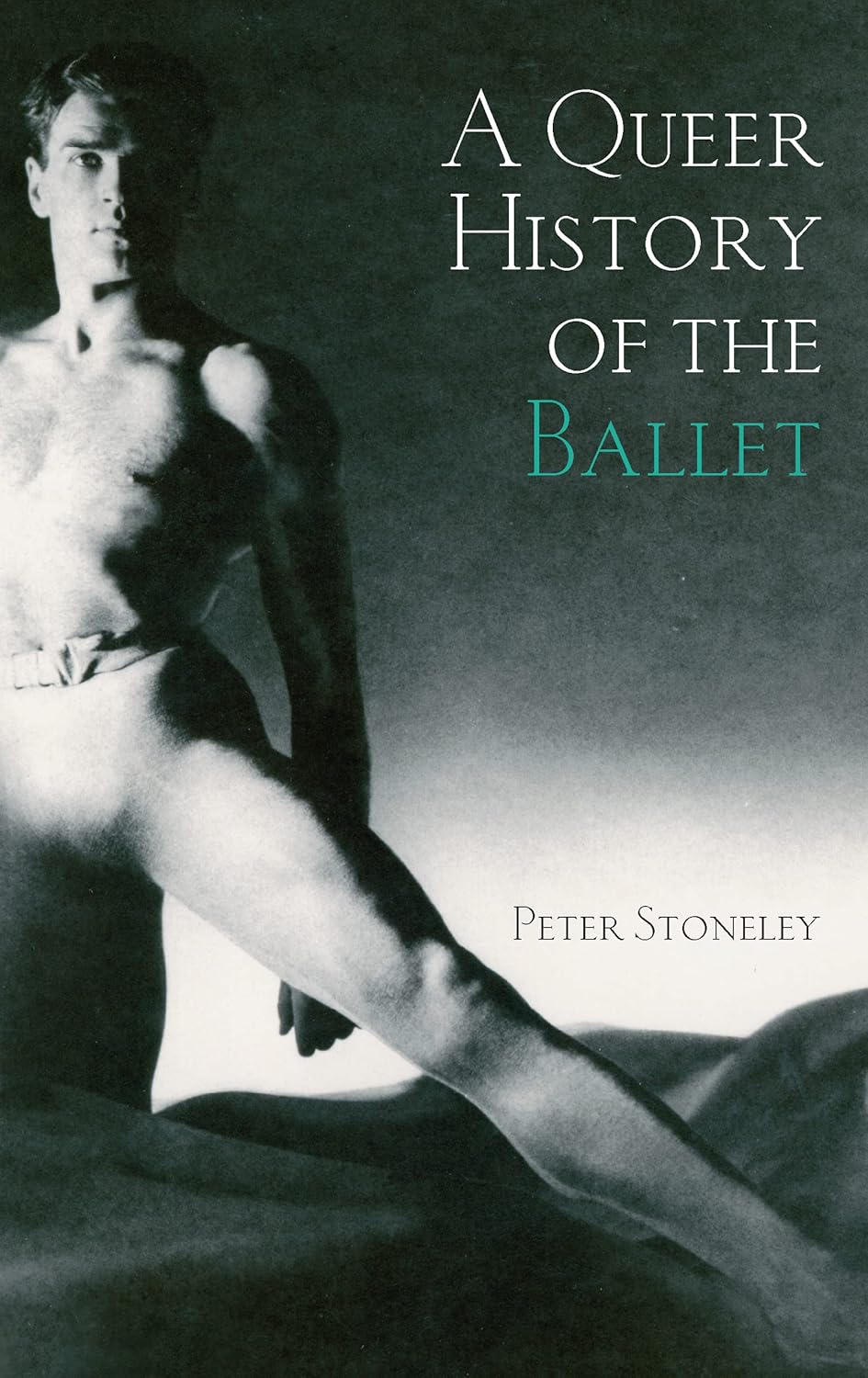
In this review of A Queer History of the Ballet the reviewer finds a focused, scholarly exploration aimed at readers who want historical depth rather than a survey. Designed for students, scholars and curious general readers, the book's single biggest reason to buy is its case-study approach that traces how queer makers and audiences shaped ballet texts, images and legends from the nineteenth into the twentieth century. The review highlights how the author examines moments such as Romantic ballets, Tchaikovsky's Swan Lake and Diaghilev's Ballets Russes to show ballet as a site of expression and visibility for people then criminalized or censored.
Key Features
- Historical case studies: Each chapter presents a focused historical episode that illuminates how queer people influenced specific ballets and performance practices, making abstract themes concrete.
- Cross-century scope: Coverage from the nineteenth into the twentieth century helps readers trace continuities and changes in how ballet conjured homosexuality and queer presence.
- Attention to makers and audiences: The book treats both choreographers and audiences as agents, which clarifies how public reception and private networks shaped ballet narratives.
- Literary and folkloric connections: Discussion of the fairy in folklore, literature and ballet situates dance within wider cultural texts for richer context.
- Key figures examined: Studies of Tchaikovsky and Diaghilev provide in-depth looks at major contributors to ballet and the emergence of queer modernity within performance.
- Accessible to non-specialists: Written so that general readers with an interest in dance and queer history can follow the argument without requiring prior technical knowledge.
Who It's For
This book is best for students of dance, scholars of performance and queer history, archivists and engaged readers who appreciate well-documented historical case studies over sweeping generalizations. Instructors looking for a focused text to pair with primary sources will find it useful as a seminar companion.
Readers seeking an illustrated coffee-table history, a beginner's primer with broad timelines, or a how-to on dance technique should look elsewhere, because the book emphasizes cultural analysis and archival case studies rather than visual spectacle or practical instruction.
Pros & Cons
Pros
- Well-researched case studies provide concrete evidence linking queer lives to the development of ballet narratives.
- Clear chapters on figures like Tchaikovsky and Diaghilev offer useful focal points for classroom discussion.
- Contextualizing folklore and literature enriches understanding of recurring ballet images such as the fairy.
- Accessible prose makes specialized topics understandable to motivated general readers.
Cons
- Not heavily illustrated, so visual learners may miss the benefit of images to accompany textual analysis.
- Readers seeking a broad chronological overview may find the case-study format narrower in scope than expected.
Specifications
| Title | A Queer History of the Ballet |
| Author | Peter Stoneley |
| Intended audience | Students, scholars, general readers interested in dance and queer history |
| Focus | Historical case studies from the nineteenth into the twentieth century |
| Subjects covered | Romantic ballet, folklore and fairies, Tchaikovsky, Diaghilev and Ballets Russes, queer modernity |
| Approach | Cultural and archival analysis of makers and audiences |
Our Verdict
A Queer History of the Ballet is a valuable, well-argued book for anyone wanting a focused, scholarly look at how queer people shaped ballet's texts and images. Its case-study structure makes it especially useful for classroom discussion and research, offering strong historical evidence and readable analysis that represent good value for students and scholars interested in the intersection of performance and queer history.
Frequently Asked Questions
Does this book cover specific ballets?
The book examines several specific ballets and moments, including discussion of the Romantic ballets and Swan Lake, to show how queer presence appears in particular texts.
Is it suitable for undergraduates?
Yes; the prose is accessible and the case-study format works well for seminar readings and discussion in undergraduate courses.
Does it include illustrations or images?
The description emphasizes textual and archival analysis rather than a heavily illustrated format, so images are not the primary focus.
Editor's Take
A Queer History of the Ballet is a well-argued, case-study driven book that offers students and scholars clear historical evidence of how queer people shaped ballet texts and imagery, making it especially useful for classroom use and research.

Recently viewed
Recently viewed products will appear here as customers browse the store.