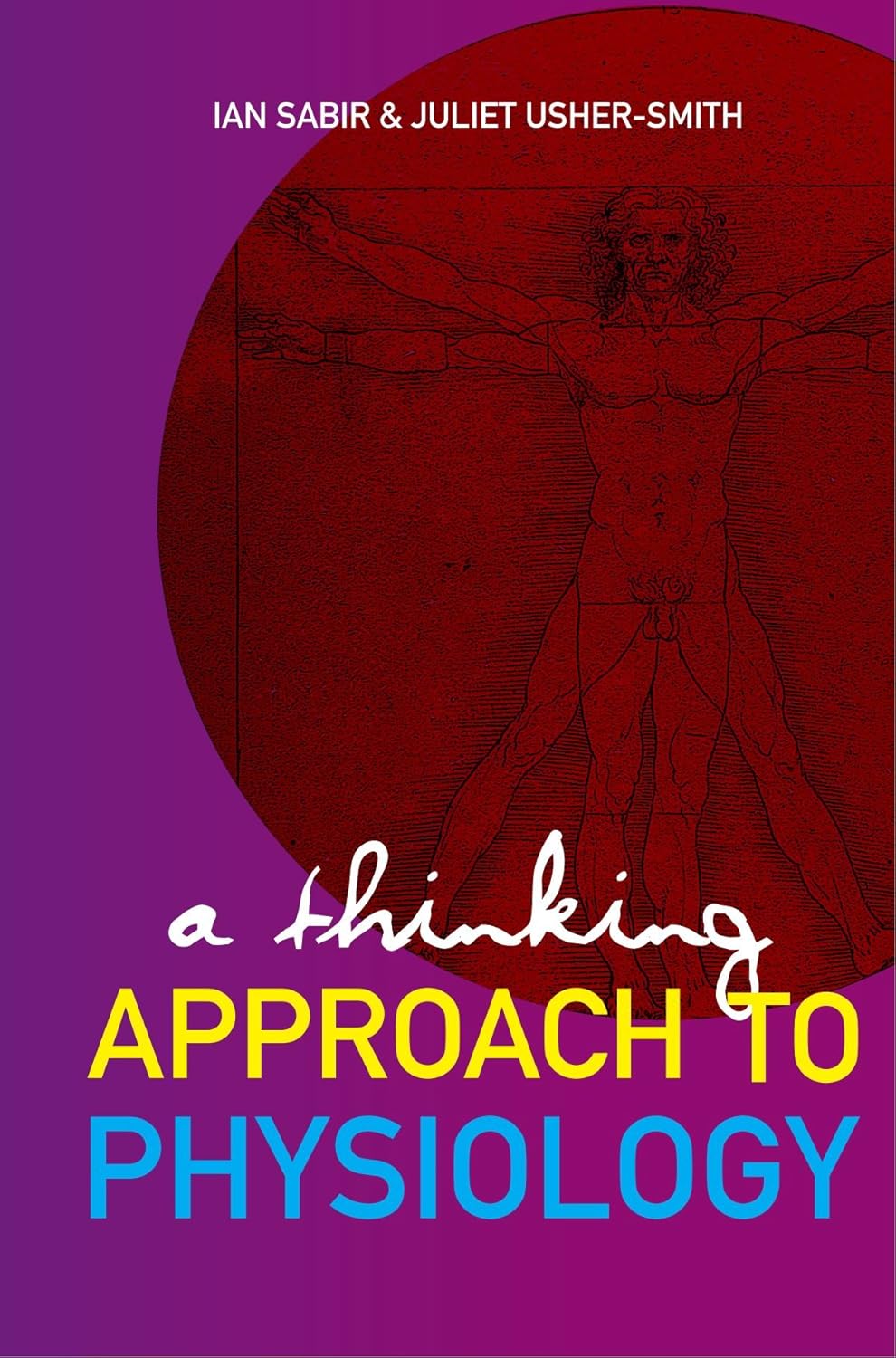
A Thinking Approach to Physiology: Comprehensive Learning Guide
A Thinking Approach to Physiology: Comprehensive Learning Guide
Price subject to change. Tap below for current.
Couldn't load pickup availability
A Thinking Approach to Physiology is an essential resource for students and professionals alike. This book offers a unique perspective on the complexities of human physiology, making it an invaluable addition to any educational library. With its engaging writing style and thorough explanations, readers will find themselves immersed in the subject matter.
The authors, Ian N. Sabir and Juliet A. Usher-Smith, have crafted a text that emphasizes critical thinking and problem-solving skills. This approach encourages readers to not only memorize facts but also to understand the underlying principles of physiological processes. Each chapter is designed to challenge the reader's comprehension and application of knowledge.
One of the standout features of this book is its focus on real-world applications. By integrating clinical scenarios and case studies, A Thinking Approach to Physiology bridges the gap between theory and practice. This practical approach helps students to relate their learning to actual medical situations, enhancing their clinical reasoning abilities.
The layout of the book is user-friendly, with clear headings and subheadings that guide readers through complex topics. Diagrams and illustrations are used effectively to complement the text, making it easier to grasp challenging concepts. The inclusion of review questions at the end of each chapter allows for self-assessment and reinforces key physiological concepts.
Furthermore, the authors have included a variety of learning tools, such as summary tables and bullet points, which aid in the retention of information. This makes A Thinking Approach to Physiology not just a textbook, but a comprehensive study guide that supports different learning styles.
Students preparing for exams will find this book particularly beneficial. The emphasis on understanding over rote memorization equips them with the skills necessary to tackle complex questions. The authors' commitment to fostering a deep understanding of physiology is evident throughout the text, making it a must-have for anyone serious about the subject.
In conclusion, A Thinking Approach to Physiology is more than just a textbook; it is a transformative learning experience. With its focus on critical thinking, real-world applications, and user-friendly design, this book stands out as a premier resource in the field of physiology. Whether you are a student, educator, or healthcare professional, this book will enhance your understanding and appreciation of human physiology.
Share