

Ability Profiling and School Failure - Contextual Study
Ability Profiling and School Failure - Contextual Study
Price subject to change. Tap below for current.
Couldn't load pickup availability
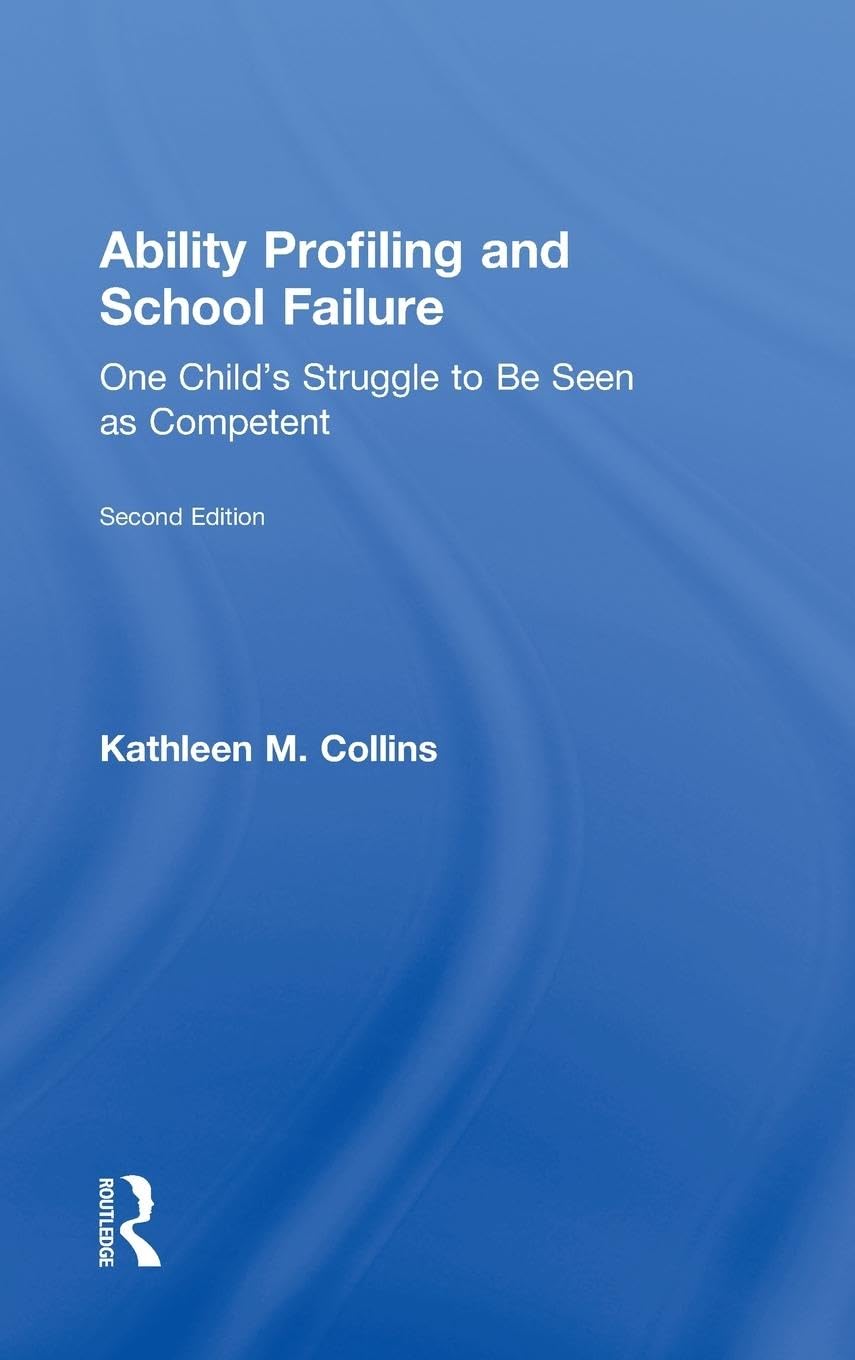
In this review of Ability Profiling and School Failure, Second Edition, the bottom line is clear: this book is for educators, researchers, and teacher-educators who need a rigorous, context-focused examination of how social forces shape perceptions of ability and underachievement. Kathleen M. Collins uses a sustained case study to show how a competent fifth grader was systematically excluded from classroom discourse, and the book's greatest strength is its combination of classroom detail and theoretical framing that makes the argument both compelling and directly useful for practice.
Key Features
- Case study driven: A detailed narrative about Jay, a competent fifth grader, illustrates how classroom interactions can mask student competence and produce the appearance of failure.
- Contextual focus: The book emphasizes social and contextual forces so readers can identify systemic patterns rather than blaming individual students.
- Practical relevance: Teacher-educators will find examples they can discuss in training and use to rethink assessment and participation practices.
- Critical framing: Collins connects classroom evidence to contemporary scholarship on dis/ability, helping readers situate practical observations within theory.
- Updated edition: The Second Edition situates Jay's story within recent research conversations, making the book current for scholars and practitioners.
Who It's For
The primary audience is practicing teachers, teacher educators, school administrators, and education researchers who want a deeper understanding of how classroom practice and community context shape perceptions of academic ability. Those seeking concrete lesson plans will need to supplement this book with curriculum resources, as its strength lies in analysis and interpretation rather than step-by-step classroom activities.
School leaders focused on equity and special education policy will appreciate the book's attention to minority student experiences in predominantly white, rural settings. Individuals looking for a quick how-to guide for assessment or classroom management should look elsewhere, because the book prioritizes theoretical and case-based insight over brief protocols.
Pros & Cons
Pros
- Provides a powerful, humanized case study that clarifies how competent students can be marginalized in classroom discourse.
- Frames classroom events within broader social and contextual forces, supporting systemic rather than individual explanations.
- Useful for teacher education and research discussions, offering material to prompt reflection and curriculum change.
Cons
- Not a practical manual of classroom activities, so teachers seeking immediate lesson plans may need additional resources.
Specifications
| Title | Ability Profiling and School Failure, Second Edition |
| Author | Kathleen M. Collins |
| Edition | Second Edition |
| Primary focus | Social and contextual forces shaping perceptions of ability and disability |
| Main case study | Jay, an African American fifth grader in a predominantly white, rural community |
| Intended audience | Teachers, teacher-educators, researchers, and school leaders |
Our Verdict
Ability Profiling and School Failure is a thoughtful, well-argued book that belongs on the shelf of anyone investigating how classroom dynamics and community context influence judgments about student ability. It is good value for educators and researchers who want evidence-based insight into equity and assessment issues, though readers seeking ready-made classroom tools will need to pair it with more practical resources.
Frequently Asked Questions
Does this edition add new research?
The Second Edition situates Jay's story within recent scholarship on dis/ability and contextualized understandings of ability.
Who is the central case study about?
The book follows Jay, a competent African American fifth grader who was excluded from participating in classroom science and literacy discourses.
Is this a classroom how-to manual?
No, the book is analytic and case-based; it is best used for reflection, teacher education, and research rather than as a step-by-step teaching guide.
Editor's Take
A thoughtful, case-driven book that shows how classroom and community contexts shape perceptions of ability; essential for educators and researchers seeking evidence-based insight into equity issues.

Recently viewed
Recently viewed products will appear here as customers browse the store.