

Access to Medicines and Vaccines - Implementing TRIPS Flexibilities
Access to Medicines and Vaccines - Implementing TRIPS Flexibilities
Price subject to change. Tap below for current.
Couldn't load pickup availability
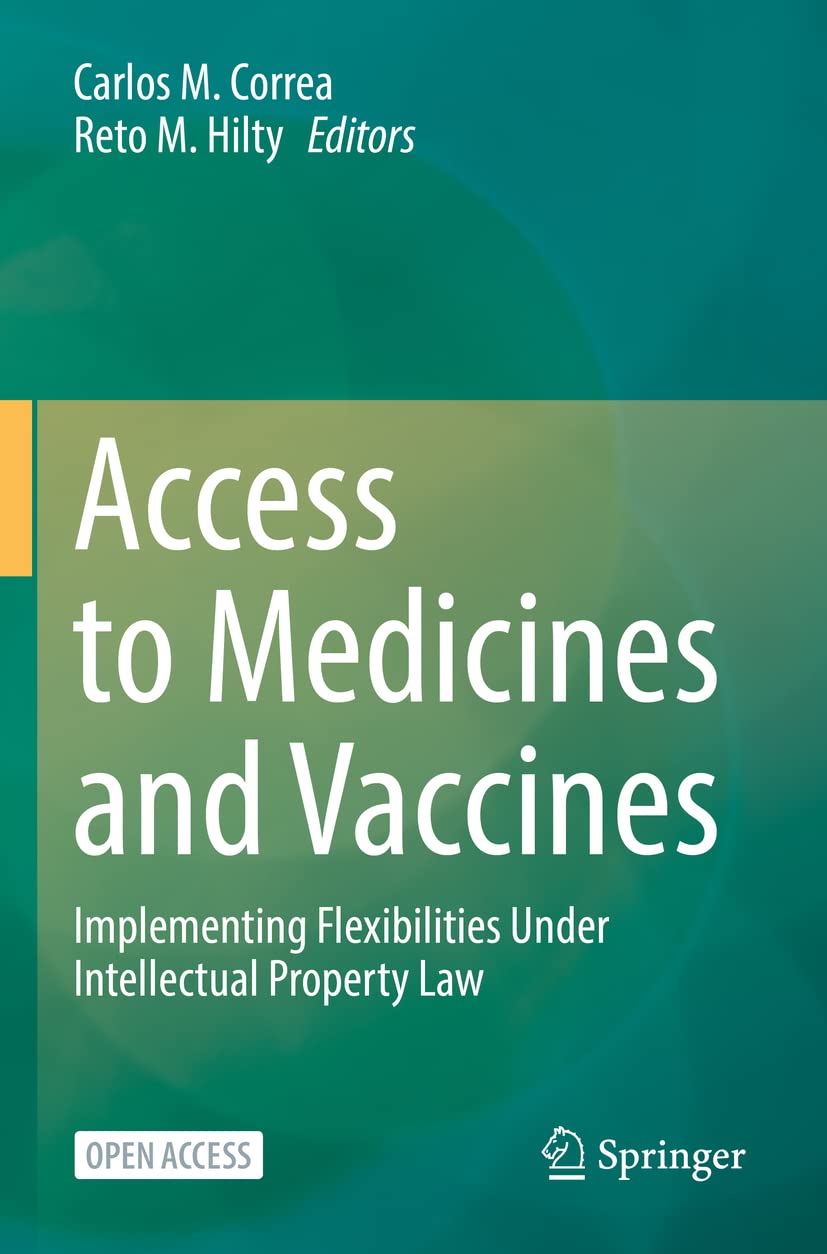
In this review of Access to Medicines and Vaccines: Implementing Flexibilities Under Intellectual Property Law, the bottom line is clear: policy makers and academics seeking a rigorous, policy-focused guide to TRIPS flexibilities will find this collection essential. Compiled from a Global Forum held at the Max Planck Institute, the book brings together expert chapters that explain legal options to improve availability of medicines and vaccines. It is primarily valuable for officials and scholars who need practical, legally grounded perspectives on how intellectual property law can be applied to public health challenges.
Key Features
- Forum-based perspectives: Chapters are written by academics and international organisation experts who participated in a Global Forum, giving the reader diverse, practitioner-informed viewpoints.
- Focus on TRIPS flexibilities: The book explains specific legal flexibilities under the Agreement on Trade Related Aspects of Intellectual Property Rights, helping readers understand the tools available to promote access to medicines.
- Policy relevance: Content is tailored for policy makers in Ministries of Health, Trade and Foreign Affairs, and patent offices, offering actionable analysis for decision making.
- Academic utility: The book is relevant for scholars in law, trade and public health who need a consolidated reference on IP flexibilities and public health implications.
- Open access availability: As an open access book, it removes cost barriers and enables wide distribution among practitioners and researchers.
Who It's For
This title is best suited for government officials and legal advisers working on national policy, patent office staff, and international agency professionals who require an informed legal perspective on implementing TRIPS flexibilities to improve access to medicines and vaccines. It will also serve academics and graduate students researching intellectual property, trade law, and public health policy.
Those looking for a clinical, pharmaceutical manufacturing manual or a general public introduction to vaccines should look elsewhere; this book is not a lay primer but a specialist policy and legal resource that assumes familiarity with trade and patent frameworks.
Pros & Cons
Pros
- The book consolidates expert contributions from a dedicated Global Forum, providing authoritative, varied analyses of IP law and public health.
- Its focus on TRIPS flexibilities gives policy makers concrete legal options to consider for expanding access to medicines and vaccines.
- Open access format increases reach and practical utility for stakeholders in low- and middle-income countries.
Cons
- Because it is aimed at policy and legal audiences, readers without background in trade or IP law may find parts of the discussion technical or dense.
Specifications
| Title | Access to Medicines and Vaccines: Implementing Flexibilities Under Intellectual Property Law |
| Editors/Authors | Carlos M. Correa, Reto M. Hilty |
| Origin | Outcome of a Global Forum held at the Max Planck Institute, December 2019 |
| Organisers | South Centre and the Max Planck Institute |
| Audience | Policy makers, patent offices, academics in law, trade and public health |
| Access | Open access book |
Our Verdict
For those shaping or studying public health policy within the constraints of international intellectual property law, this book is a well-sourced, practical resource that compiles expert legal analysis on TRIPS flexibilities. It is good value for policy makers and academics who need a detailed, accessible reference to inform decisions on improving access to medicines and vaccines.
Frequently Asked Questions
Is this book suitable for non-specialists?
Answer. It is primarily written for policy makers and academics and contains technical legal analysis, so readers without background in trade or IP law may find it challenging.
Where did the content originate?
Answer. The chapters come from participants at a Global Forum on Innovation, Intellectual Property and Access to Medicines held at the Max Planck Institute in December 2019, organised by the South Centre and the Max Planck Institute.
Can this be used for government policy development?
Answer. Yes; the book is intended to inform ministries of health, trade and foreign affairs, and patent offices about implementing TRIPS flexibilities to promote access to medicines.
Editor's Take
This book is a well-sourced, practical resource on TRIPS flexibilities, ideal for policy makers and academics who need expert legal analysis to inform decisions on improving access to medicines and vaccines.

Recently viewed
Recently viewed products will appear here as customers browse the store.