Addressing Language Barriers in Indigenous Math Education 52
Addressing Language Barriers in Indigenous Math Education 52
Price subject to change. Tap below for current.
Couldn't load pickup availability
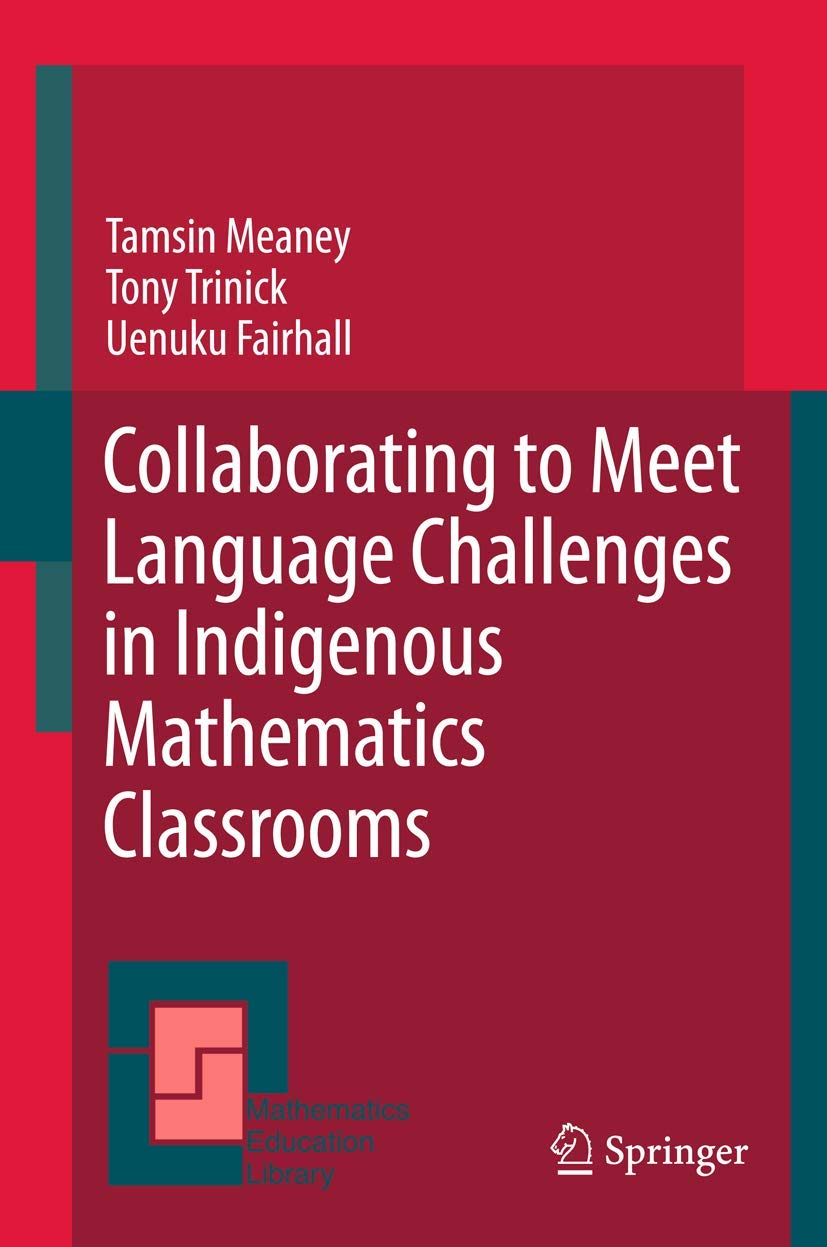
The book Collaborating to Meet Language Challenges in Indigenous Mathematics Classrooms offers a unique perspective on the intersection of language and mathematics education. This insightful work, part of the Mathematics Education Library, delves into the complexities faced by Indigenous students in learning mathematics through their native languages.
One of the standout features of this book is its focus on culturally responsive teaching. The authors, Tamsin Meaney, Tony Trinick, and Uenuku Fairhall, emphasize the importance of recognizing and valuing Indigenous knowledge systems. By integrating these systems into the mathematics curriculum, educators can create a more inclusive learning environment that respects and acknowledges students' backgrounds.
Throughout the chapters, the authors provide practical strategies for teachers to enhance their pedagogical approaches. They discuss the significance of collaborative learning and how it can foster a sense of community among students. By working together, students can share their linguistic and mathematical knowledge, leading to deeper understanding and engagement.
Another key aspect of this book is the exploration of language barriers that Indigenous students often face. The authors highlight how these barriers can hinder mathematical comprehension and propose methods to overcome them. By addressing these challenges head-on, educators can better support their students in achieving academic success.
The book also includes case studies that illustrate the practical application of the discussed strategies. These real-world examples serve as a valuable resource for educators looking to implement effective teaching practices in their classrooms. The insights gained from these case studies can inspire teachers to adapt their methods to better suit the needs of their students.
Moreover, the authors stress the importance of community involvement in the educational process. Engaging with families and local communities can enrich the learning experience and provide students with a broader context for their mathematical studies. This approach not only benefits the students but also strengthens the ties between schools and the communities they serve.
In conclusion, Collaborating to Meet Language Challenges in Indigenous Mathematics Classrooms is an essential read for educators, researchers, and policymakers interested in improving mathematics education for Indigenous students. Its comprehensive approach to addressing language challenges and promoting culturally relevant pedagogy makes it a valuable addition to any educational library.
Share