

Advanced Sandtray Therapy - Practical Guide for Clinicians
Advanced Sandtray Therapy - Practical Guide for Clinicians
Price subject to change. Tap below for current.
Couldn't load pickup availability
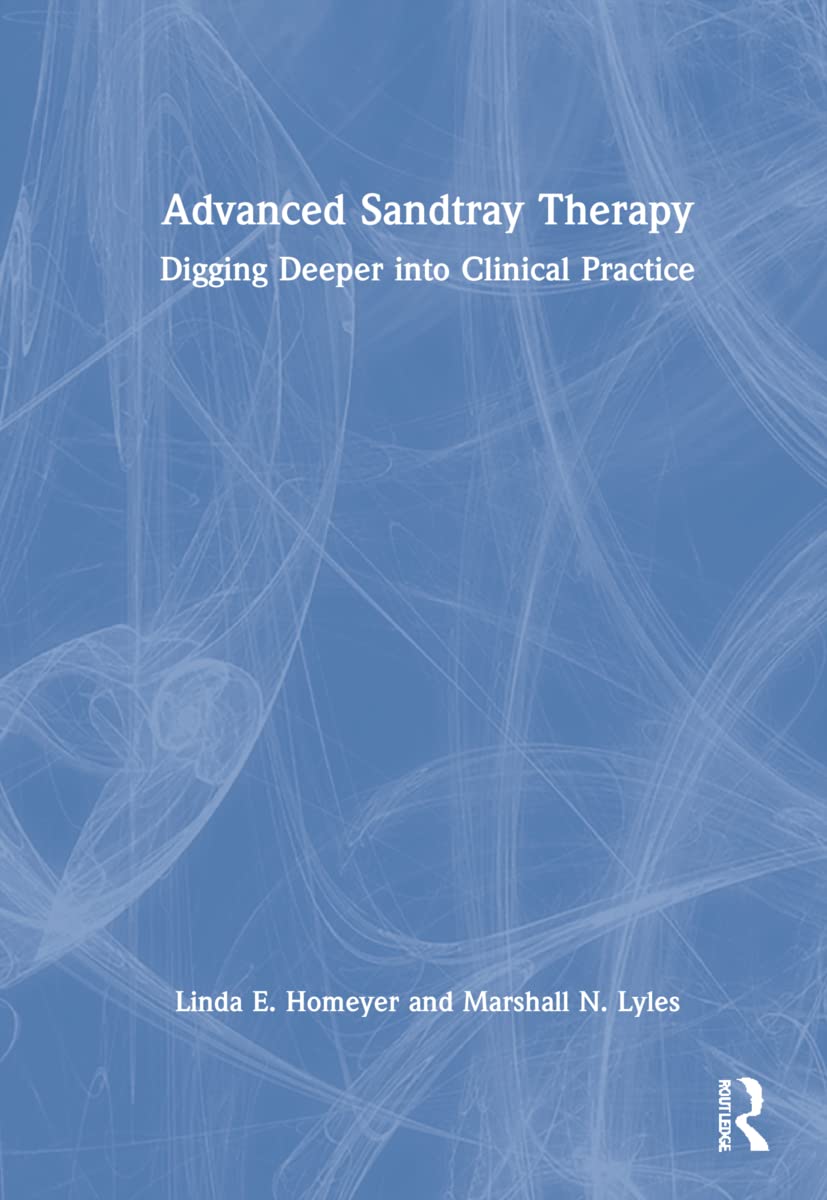
In this review of Advanced Sandtray Therapy, the bottom line is clear: this is a practical, clinically focused text for mental health professionals who want to deepen their sandtray practice. The book is best for clinicians and graduate students who need a bridge between theory and concrete sand work, offering detailed chapters that show how to integrate clinical theory with sandtray methods. Its single biggest reason to buy is the way it maps treatment sequence and addresses complex issues like attachment and trauma in a usable format.
Key Features
- Integration of theory and practice: Chapters connect clinical models directly to sandtray interventions so clinicians can apply ideas in session with more clarity.
- Focus on attachment and trauma: The book offers a detailed look at treating attachment wounds and trauma within the sandtray sequence to help therapists approach sensitive material safely.
- Stepwise treatment guidance: Practical discussion of the sequence of treatment helps clinicians plan progressive, developmentally appropriate sandtray work.
- Foundational building blocks: Using practical basics as building blocks allows therapists to expand from simple interventions to more complex clinical work.
- Useful for training: The text is suitable for graduate students in mental health professions as a structured introduction to adding sandtray methods.
Who It's For
Advanced Sandtray Therapy is aimed at licensed mental health professionals, counselors, social workers, and psychotherapists who already have some familiarity with sandtray or expressive modalities and want to deepen clinical application. It is also appropriate for graduate students in counseling, psychology, and social work programs seeking a text that links clinical theory to concrete sandtray techniques.
Therapists brand new to sandtray who need step-by-step basics and many illustrations may want an introductory primer first; this book assumes readers can translate the clinical discussion into practice rather than offering exhaustive beginner-level exercises.
Pros & Cons
Pros
- Clear integration of theoretical frameworks with practical sandtray work makes clinical decisions easier.
- Strong emphasis on attachment and trauma provides valuable guidance for treating complex presentations.
- Readable structure and focus on treatment sequence help with session planning and progression.
Cons
- Not a pictorial how-to manual for absolute beginners; assumes some prior familiarity with sandtray concepts.
Specifications
| Title | Advanced Sandtray Therapy |
| Authors | Linda E. Homeyer, Marshall N. Lyles |
| Primary focus | Integration of clinical theory with sandtray practice |
| Clinical emphasis | Attachment and trauma work |
| Intended audience | Clinicians and graduate students in mental health professions |
| Use case | Deepening therapeutic sandtray skills and treatment sequencing |
Our Verdict
Advanced Sandtray Therapy is a solid, practice-oriented resource for clinicians who want to apply sandtray methods with attention to attachment and trauma. Its value lies in translating clinical theory into session-level guidance, making it a worthwhile investment for therapists and graduate students who plan to use sandtray work in ongoing treatment.
Frequently Asked Questions
Is this book suitable for trainees?
Yes, it is useful for graduate students in mental health fields, though it presumes some basic familiarity with therapeutic concepts.
Does it cover trauma treatment?
Yes, the text specifically addresses how to work with trauma and attachment issues within the sandtray treatment sequence.
Will it teach beginner sandtray techniques?
It provides practical building blocks but is not a step-by-step pictorial primer for absolute beginners; newcomers may prefer an introductory manual first.
Editor's Take
Advanced Sandtray Therapy is a practice-oriented guide that helps clinicians translate clinical theory into sandtray interventions, especially for attachment and trauma work, making it a good value for therapists and graduate students.

Recently viewed
Recently viewed products will appear here as customers browse the store.