

Aesthetic Marx - Analyzing Marx's Aesthetic Thought
Aesthetic Marx - Analyzing Marx's Aesthetic Thought
Price subject to change. Tap below for current.
Couldn't load pickup availability
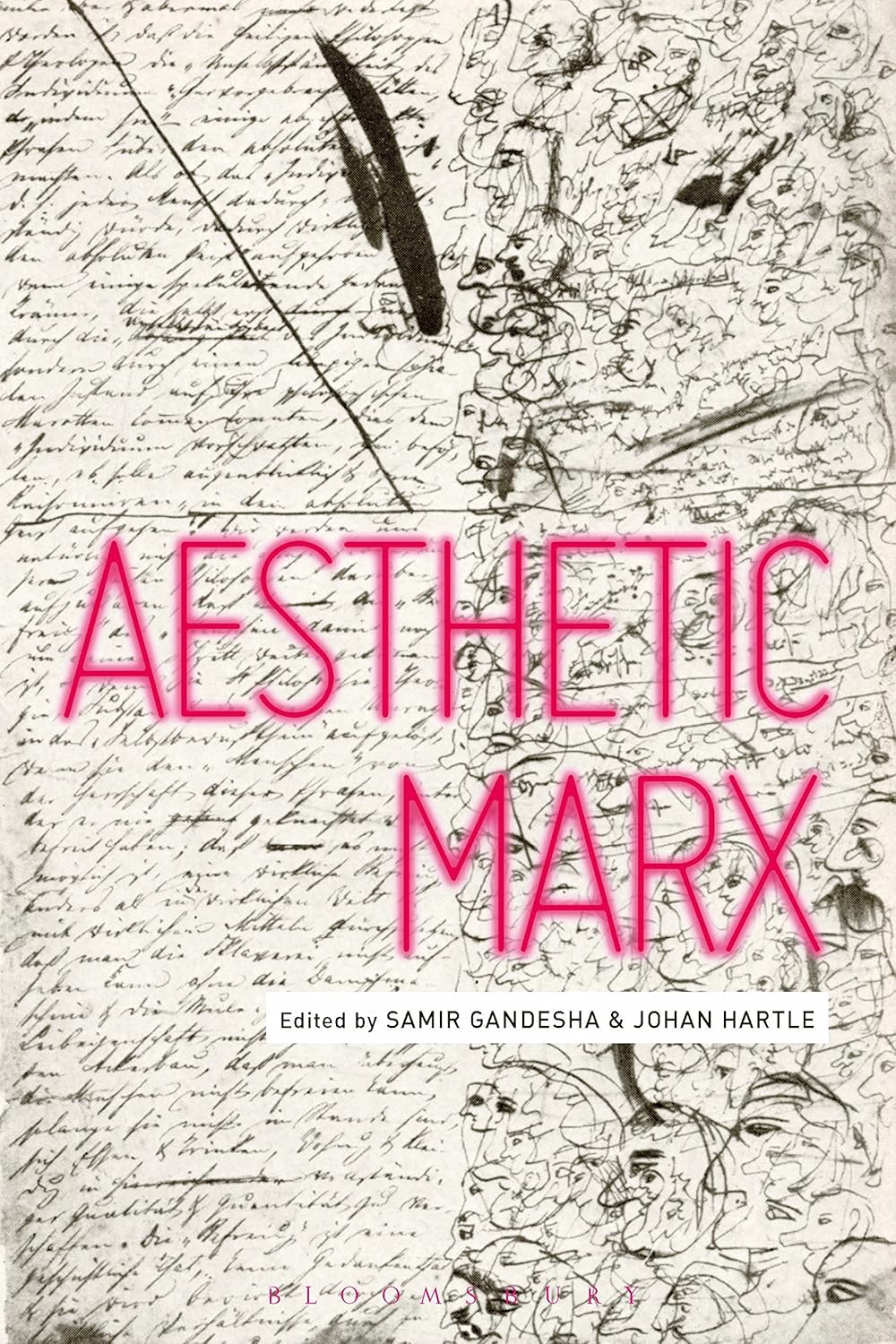
In this review of Aesthetic Marx, the authors Samir Gandesha and Johan F. Hartle offer a focused interpretation of how Marx's political theory is inseparable from questions of aesthetics and social philosophy. The bottom line: this book is for readers who want a serious, critical study that places Marx alongside Dante, Shakespeare and Goethe to show how aesthetic categories illuminate bourgeois politics and revolutionary possibility. Scholars and advanced students will find the treatment stimulating; casual readers should expect dense argumentation rather than an accessible primer.
Key Features
- Integrated approach: The book situates Marxian political thought within a broader aesthetic framework so readers can see how art and culture shape theory.
- Textual engagement: Close readings of references like Dante and Shakespeare clarify how Marx uses literary and cultural tropes to critique bourgeois society.
- Historical perspective: The authors trace the influence of radical modernism and the idea of association to show continuities in the history of aesthetics.
- Theoretical breadth: Discussion ranges from aesthetic production to Marx's phrase "poetry of the future," helping readers connect abstract concepts to political consequences.
- Original interpretation: The study deliberately reframes familiar Marxist topics, offering new angles rather than repeating standard summaries.
Who It's For
This book suits graduate students, researchers and serious readers in political theory, aesthetics and social philosophy who want a concentrated study of Marx's aesthetic commitments and their political implications. It rewards readers comfortable with close textual analysis and dense theoretical argument.
Those seeking an introductory overview of Marx, a brief pocket guide, or a highly accessible pop treatment should look elsewhere; Aesthetic Marx assumes familiarity with Marxian concepts and with debates in aesthetics.
Pros & Cons
Pros
- Deep scholarly framing that links aesthetic production to Marx's critique of bourgeois politics.
- Thoughtful readings of literary figures that illuminate less-discussed aspects of Marx's thought.
- Original thesis that reframes the place of the aesthetic in social and political theory.
Cons
- The book's dense, theoretical style may be challenging for readers without prior exposure to Marxist or aesthetic theory.
Specifications
| Title | Aesthetic Marx |
| Authors | Samir Gandesha, Johan F. Hartle |
| Focus | Marx's relation to aesthetics and social philosophy |
| Key themes | Aesthetic production; poetry of the future; bourgeois politics as theatrical |
| Approach | Original interpretive study with literary references |
| Best for | Scholars and advanced students |
Our Verdict
Aesthetic Marx is a rigorous, intellectually rewarding book for readers who want to explore how aesthetic ideas are woven into Marx's political thought. It is best valued by those prepared for dense, scholarly argumentation and who appreciate original interpretive work that broadens how Marx is read across literature, aesthetics and social philosophy.
Frequently Asked Questions
Does this book explain Marx's basic concepts?
It does not serve as an introduction to Marx; it assumes familiarity and focuses on aesthetic dimensions of his thought.
Is the book accessible to non-specialists?
Not especially; the style is dense and aimed at readers experienced with theory and close readings.
Which authors are discussed?
The study repeatedly references literary figures such as Dante, Shakespeare and Goethe to illuminate Marx's aesthetic vocabulary.
Editor's Take
Aesthetic Marx is a rigorous, intellectually rewarding study that connects Marx's political thought to aesthetics; recommended for scholars and advanced students who want original interpretive work.

Recently viewed
Recently viewed products will appear here as customers browse the store.