

Africa and the North (New International Relations) - Informed Analysis
Africa and the North (New International Relations) - Informed Analysis
Price subject to change. Tap below for current.
Couldn't load pickup availability
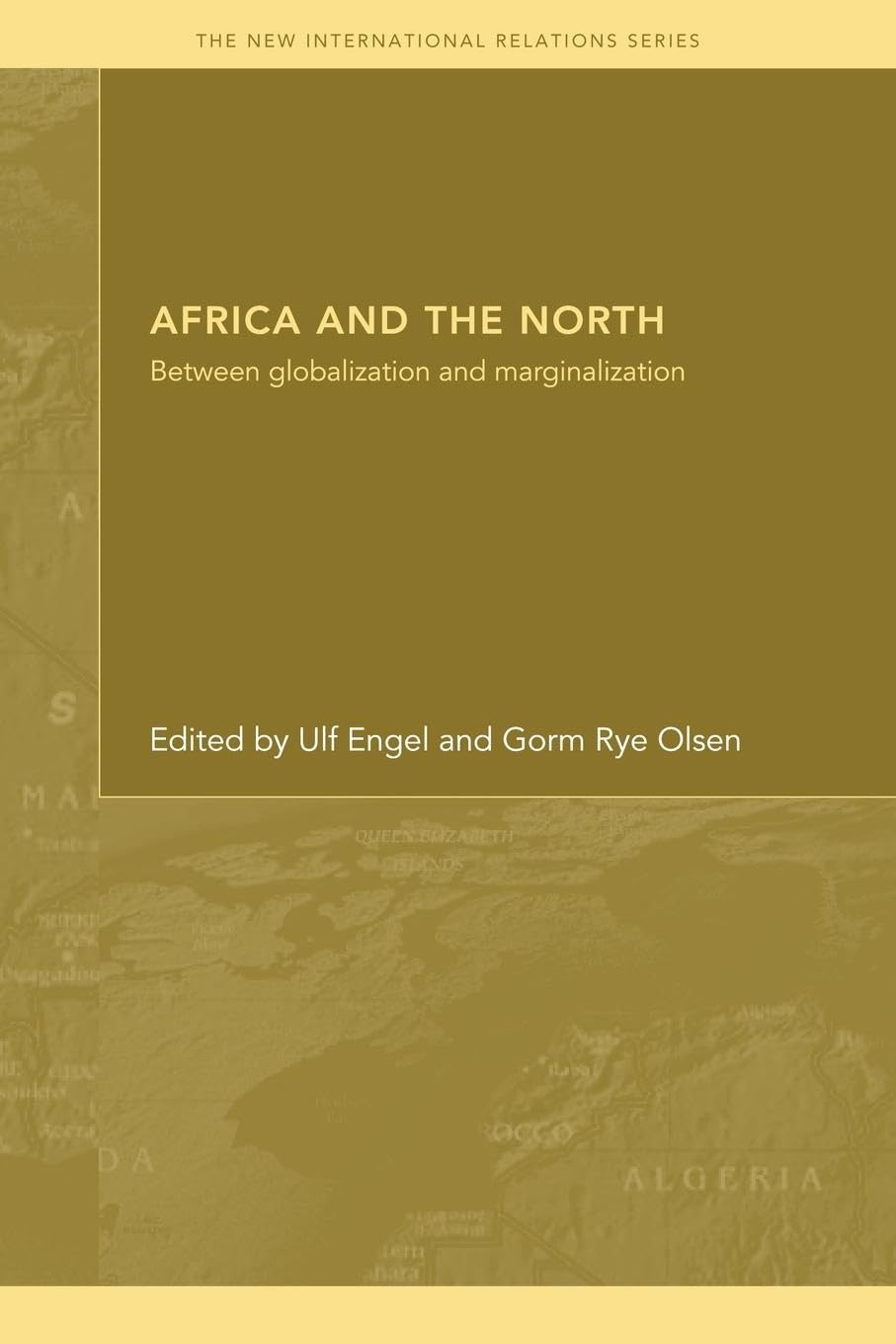
In this review of Africa and the North (New International Relations), the bottom line is clear: this book is for readers seeking a grounded, empirical account of how Northern states and institutions shape Africa's place in the international system. The authors assemble policy-focused case studies and theoretical reflection to argue that the Westphalian state system, even amid globalization and transnational networks, remains central to African international relations. This review highlights the book's value for students, researchers and policy professionals who want a sober, evidence-based discussion rather than polemic.
Key Features
- Focused empirical analysis: The book provides concrete case studies of major global actors and their policies toward Africa, helping readers understand real diplomatic and policy dynamics.
- Comparative scope: By examining France, the UK, the US, Japan, Germany, the EU and the UN, the volume lets readers compare different Northern approaches to Africa in one place.
- Theoretical engagement: The text situates its findings in debates about the Westphalian system, globalization and transnational networks, offering useful conceptual framing for scholars.
- Contemporary relevance: The discussion of the 'war against terrorism' and African political stability makes the book timely for those tracking security-driven foreign policy.
- Policy-oriented conclusions: Readers interested in how Northern state behaviour affects African sovereignty and regional politics will find actionable perspectives rooted in evidence.
Who It's For
Academics, postgraduate students and policy analysts focused on international relations, African studies or comparative foreign policy will gain the most from this volume. Its combination of empirical chapters and theoretical reflection is suited to seminar use, literature reviews and background research for policy briefs.
Readers seeking a general history of Africa, a primary-source narrative from African actors, or a short popular overview should look elsewhere; the book assumes interest in state-level diplomacy and institutional policy, and it is written as a scholarly contribution rather than a general-audience introduction.
Pros & Cons
Pros
- Comprehensive coverage of key Northern actors offers comparative insight across multiple states and institutions.
- Evidence-based chapters give concrete examples that support the book's arguments about state relevance.
- Theoretical framing helps situate findings within broader debates on globalization and sovereignty.
Cons
- The volume's focus on Northern policies means direct voices from African states and civil society appear less centrally, which may limit some perspectives.
Specifications
| Title | Africa and the North (New International Relations) |
| Authors | Ulf Engel, Gorm Rye Olsen |
| Subject | International relations; African foreign policy |
| Scope | Analysis of France, UK, US, Japan, Germany, EU and UN policies toward Africa |
| Key themes | Westphalian system, globalization, transnational networks, security |
| Intended audience | Scholars, students, policy analysts |
Our Verdict
For readers who want a rigorous, policy-relevant study of how Northern states and institutions interact with Africa, this book is a solid and worthwhile choice. Its empirical breadth and theoretical clarity make it good value for scholars and analysts who need a comparative resource on state-centered dynamics in African international relations.
Frequently Asked Questions
Does this book cover specific countries in Africa?
The focus is on Northern states and institutions and their policies toward Africa rather than an in-depth survey of individual African countries.
Is the book suitable for undergraduate courses?
It can be used in advanced undergraduate or postgraduate courses, particularly those that emphasize policy analysis and international relations theory.
Does it address security issues?
Yes; the book discusses the relevance of African political stability in the context of the 'war against terrorism' and broader security concerns.
Editor's Take
A rigorous, policy-relevant study that compares Northern states and institutions to show why the Westphalian state system remains central to African international relations; recommended for scholars and policy analysts.

Recently viewed
Recently viewed products will appear here as customers browse the store.