

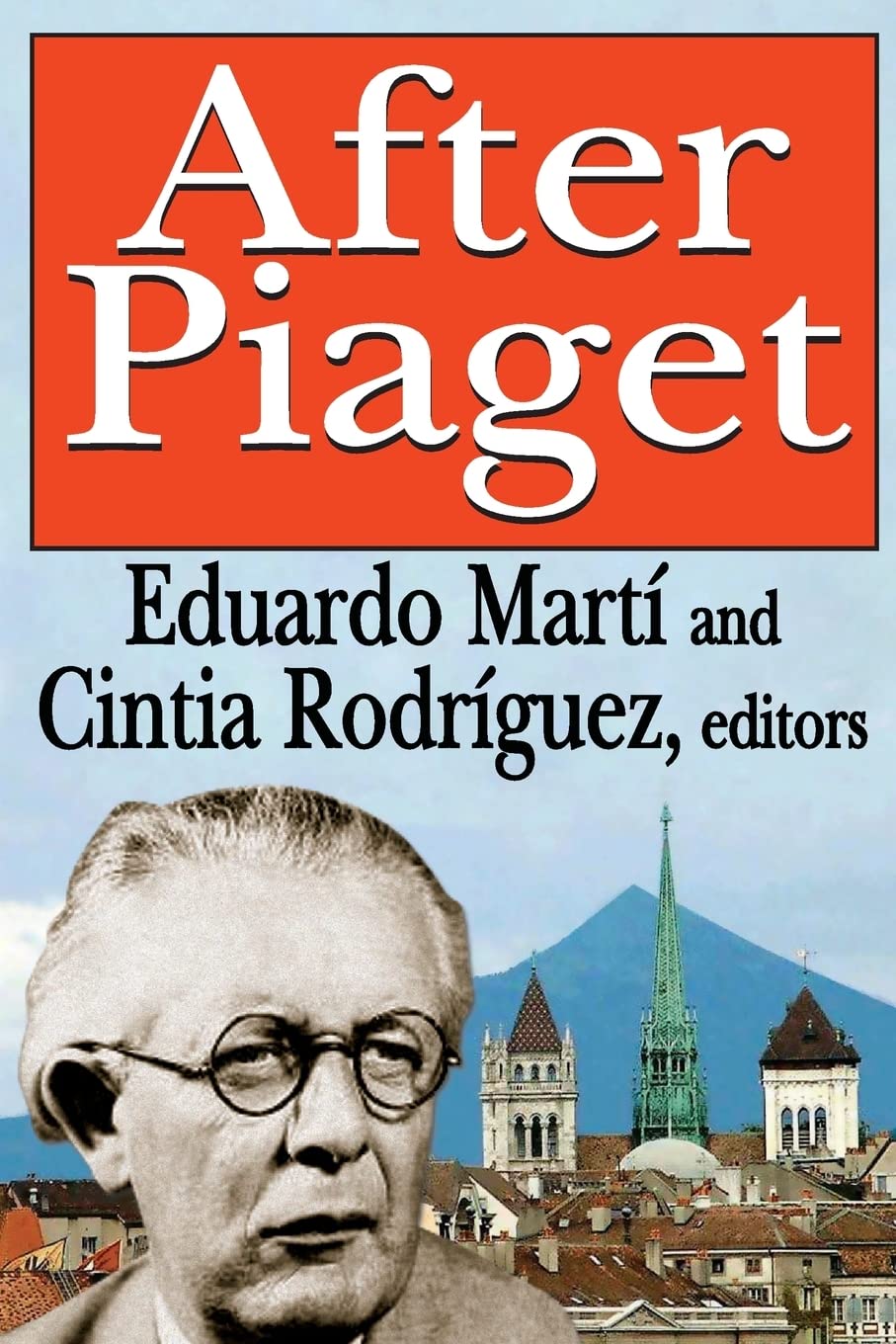
After Piaget (History and Theory of Psychology) - Essential
After Piaget (History and Theory of Psychology) - Essential
Price subject to change. Tap below for current.
Couldn't load pickup availability
In this review of After Piaget (History and Theory of Psychology), the reviewer finds a thoughtful, historically grounded volume best suited for researchers, graduate students and clinicians who want to understand Piaget's ongoing influence. The single biggest reason to buy is the book's clear demonstration that Jean Piaget's work remains central to contemporary debates in developmental psychology; it moves beyond summary critique to show concrete ways later research and practice grew from the School of Geneva's methods and perspectives.
Key Features
- Historical analysis: The book situates Piaget within specific intellectual atmospheres, helping readers see how historical context shaped his research and interpretations.
- Legacy focus: Chapters examine Piaget's continuing influence on contemporary proposals in the study of psychological development, clarifying lines of descent in theory and method.
- School of Geneva voices: Contributions from scholars who worked in the School provide firsthand perspectives that illuminate practice and debate in the 1970s and '80s.
- Balance of critique and synthesis: The volume moves past harsh critiques to gather newer developments that grew from Piagetian tradition, making it useful for nuanced scholarly reflection.
- Interdisciplinary relevance: The book connects Piagetian research to diverse fields such as infant development and broader theoretical work, expanding its usefulness beyond a single specialty.
Who It's For
This collection is most valuable for graduate students, academic researchers and clinicians in developmental psychology and related fields who need a historically informed account of Piaget's influence. Readers preparing literature reviews or trying to situate modern methodologies will find the archival and reflective material especially useful.
It is less suitable for a casual reader seeking a brief introduction to Piaget or for those who want step-by-step clinical techniques; the book assumes some familiarity with theoretical debates and historical scholarship.
Pros & Cons
Pros
- Provides a coherent historical narrative that clarifies Piaget's role in shaping later research and methods.
- Includes contributions from scholars with direct ties to the School of Geneva, offering authoritative insider perspectives.
- Balances critique with synthesis, making it helpful for readers wanting constructive engagements with Piagetian ideas.
Cons
- Not a beginner's primer; readers without background in developmental theory may find some essays dense or assumed knowledge limiting.
Specifications
| Title | After Piaget (History and Theory of Psychology) |
| Editor / Author | Eduardo Marti |
| Subject | History and theory of psychology; Piagetian legacy |
| Focus | Analysis of Piaget's influence and School of Geneva research |
| Intended audience | Researchers, graduate students, clinicians |
| Scope | Retrospective and contemporary developments from Piagetian tradition |
Our Verdict
After Piaget is a strong, well documented collection for readers who need a historically rigorous account of Piaget's continuing impact. Scholars and advanced students will appreciate the firsthand School of Geneva contributions and the balanced treatment of critique and legacy, making it good value for those seeking depth rather than an introductory overview.
Frequently Asked Questions
Does this book focus on Piaget's original studies or later developments?
The volume covers both Piaget's original work and later developments that grew from the School of Geneva, linking historical context to contemporary proposals.
Who contributed to the book?
Contributors include scholars who were part of the School of Geneva in the 1970s and '80s, offering insider perspectives on research practices and interpretation.
Is this suitable for beginners?
It is better suited to readers with some background in developmental theory; casual readers may find parts dense.
Editor's Take
After Piaget is a well documented, historically rigorous collection ideal for scholars and advanced students who want to understand Piaget's ongoing influence; it offers insider perspectives and balanced synthesis rather than an introductory overview.

Recently viewed
Recently viewed products will appear here as customers browse the store.