

Ajedrez y peronismo 1944/1945 - Historia y ajedrez en contexto
Ajedrez y peronismo 1944/1945 - Historia y ajedrez en contexto
Price subject to change. Tap below for current.
Couldn't load pickup availability
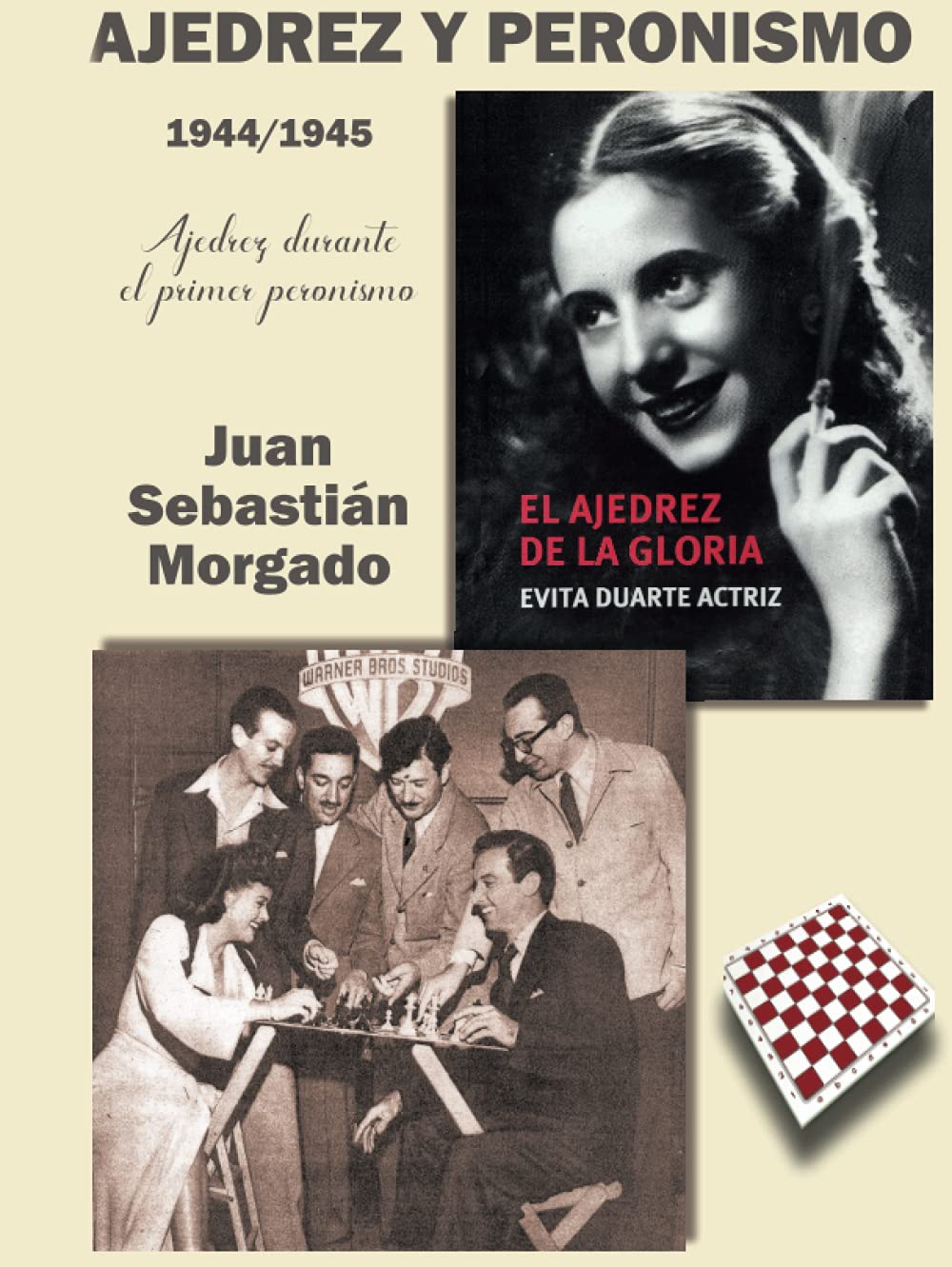
In this review of Ajedrez y peronismo 1944/1945 the reviewer finds a focused historical study that will interest readers who want to understand how political upheaval and large social events intersected with the Argentine chess world. The book is best for readers seeking narrative context rather than a technical chess manual; it chronicles the turbulent years when Peron rose to power, wartime pressures intensified and the Argentine chess community lost a key figure. This review highlights why the book is a useful reference for history readers and chess enthusiasts curious about the era.
Key Features
- Historical chronology: Presents a clear timeline of 1944 and 1945 events so readers can follow political shifts alongside international developments.
- Contextual link to chess: Connects national events to the Argentine chess scene, noting the death of Roberto Grau and its cultural impact.
- Coverage of Peronism: Describes Peron's rapid ascent and the dissolution of the GOU, helping readers grasp the domestic power shift.
- International perspective: Places Argentina within the closing months of World War II, including references to Braden, Chapultepec and wartime diplomacy.
- Legal and social changes: Summarizes major measures such as decrees for state security and the sanctioning of labor jurisdiction to show policy consequences.
Who It's For
Readers of modern Argentine history, students researching Peronism, and members of the chess community interested in cultural history will find this book informative because it ties political decisions and international pressure to domestic events and institutions. The narrative suits those who prefer descriptive study over technical analysis.
Those looking for a chess opening guide, annotated game collections, or a deep military history should look elsewhere; this work emphasizes social and political context rather than move-by-move chess instruction or exhaustive military strategy.
Pros & Cons
Pros
- Provides a concise, readable account of the years 1944 and 1945 that situates chess inside broader national change.
- Highlights key political events such as the dissolution of the GOU and Peron's rise for readers unfamiliar with the period.
- Includes mention of major international moments like the Chapultepec conference and Argentina's late declaration of war, which clarifies diplomatic pressures.
Cons
- Does not serve as a technical chess manual or annotated game collection for players seeking practical instruction.
Specifications
| Title | Ajedrez y peronismo 1944/1945 |
| Author | Juan Sebastian Morgado |
| Publication focus | Argentine politics and chess during 1944-1945 |
| Historical events covered | Dissolution of the GOU, rise of Peron, Chapultepec conference |
| Notable incidents | Death of Roberto Grau and San Juan earthquake |
| Themes | Peronism, wartime diplomacy, labor law, cultural history |
Our Verdict
For readers seeking a concise, context-rich study of how the first Peronist years affected Argentine society and its chess culture, this book offers good value; it ties political milestones and international pressure to cultural consequences and serves as a solid reference for historians and informed chess fans curious about the era.
Frequently Asked Questions
Does this book focus on chess games and strategy?
No, the emphasis is historical and cultural; the book links chess to political events rather than providing annotated games or training material.
Which years and events are central to the book?
The narrative centers on 1944 and 1945, covering the dissolution of the GOU, Peron's rise, the Chapultepec conference and Argentina's late declaration of war.
Is the author a historian or a chess writer?
Juan Sebastian Morgado approaches the topic as a historical study connecting political developments and the Argentine chess scene rather than producing a technical chess manual.
Editor's Take
A concise, context-rich study that links the first Peronist years and wartime diplomacy to Argentine chess culture; recommended for history readers and chess enthusiasts seeking cultural context.

Recently viewed
Recently viewed products will appear here as customers browse the store.