

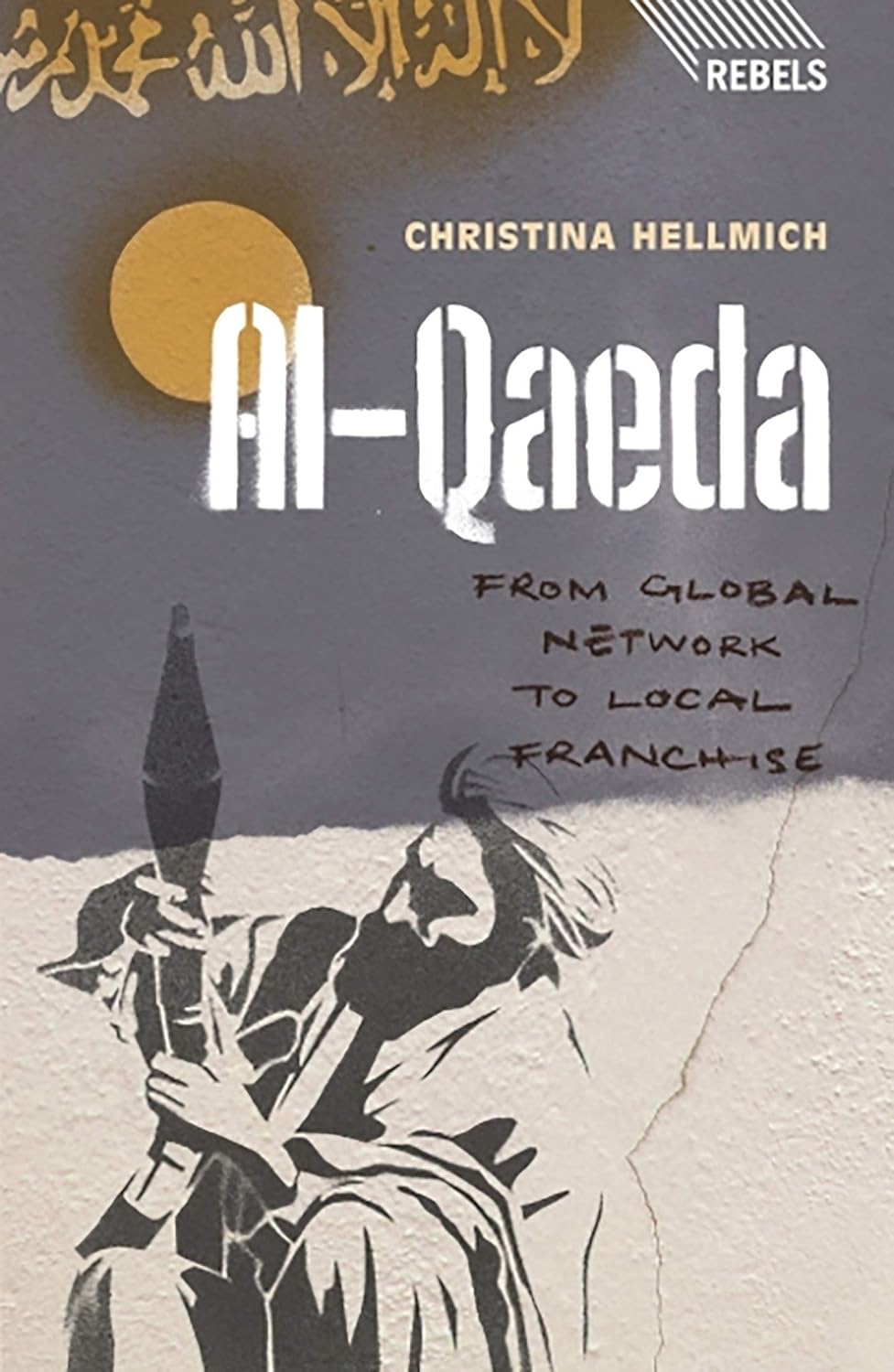
Al-Qaeda: From Global Network to Local Franchise - Critical
Al-Qaeda: From Global Network to Local Franchise - Critical
Price subject to change. Tap below for current.
Couldn't load pickup availability
In this review of Al-Qaeda: From Global Network to Local Franchise the reviewer finds a focused, scholarly examination aimed at readers who want clarity on a complex subject. Christina Hellmich and contributors map competing claims about al-Qaeda's nature and evolution, and the single biggest reason to read it is its critical dismantling of simplistic narratives about structure and ideology. The book is best for students, researchers and policy readers who need evidence-based analysis rather than sensational accounts.
Key Features
- Critical analysis: The book challenges widely-held assumptions about al-Qaeda, providing readers a clearer framework for interpreting claims about the group's organization.
- Historical scope: Coverage spans the period from the September 11th 2001 attacks through Osama bin Ladin's death, helping readers follow how narratives evolved over time.
- Focus on sources: It evaluates the reliability and limits of the sources that underpin common arguments, improving the reader's ability to judge evidence.
- Conceptual clarity: The text distinguishes between competing models - rigid hierarchy, global network, franchise, and ideological movement - so readers can compare explanations directly.
- Policy relevance: By asking what bin Ladin's death meant, the book connects historical analysis to contemporary security debates.
Who It's For
The book is best suited to graduate students, academics and policy analysts who require a nuanced, evidence-driven discussion of Islamist militancy and the concept of a global Salafi jihad. It will support coursework in political violence, security studies and religious group studies.
General readers seeking a narrative history or a sensationalist account of terrorism should look elsewhere; this volume prioritizes source critique and conceptual debate over dramatic storytelling.
Pros & Cons
Pros
- Provides a rigorous, critical approach to popular assumptions about al-Qaeda.
- Places developments in historical context, from 2001 through events after bin Ladin's death.
- Helps readers evaluate primary and secondary sources with greater discernment.
Cons
- Its academic focus and source critique may feel dense to readers expecting a narrative-driven book.
Specifications
| Title | Al-Qaeda: From Global Network to Local Franchise |
| Editor/Authors | Doctor Christina Hellmich, Anna Mdee, Nana Poku |
| Subject | Al-Qaeda, terrorism studies, Salafi jihad |
| Scope | From September 11th 2001 to the period after Osama bin Ladin's death |
| Approach | Critical examination of sources and competing organizational models |
| Intended audience | Students, researchers, policy analysts |
Our Verdict
Al-Qaeda: From Global Network to Local Franchise is a worthwhile purchase for anyone who needs a sober, source-focused critique of prevailing assumptions about al-Qaeda. Its value lies in conceptual clarity and evidentiary caution, making it good value for students and policy readers who want to avoid simplistic explanations.
Frequently Asked Questions
Does the book cover events after Osama bin Ladin's death?
Yes, it explicitly considers the implications of bin Ladin's death and how narratives about al-Qaeda shifted afterward.
Is this a narrative history or an academic analysis?
The volume is an academic, source-critical analysis rather than a narrative biography or sensational account.
Who contributed to the work?
The book is presented by Doctor Christina Hellmich with contributions from Anna Mdee and Nana Poku.
Editor's Take
A sober, source-focused critique that clarifies competing explanations of al-Qaeda and is recommended for students and policy analysts who need evidence-based analysis rather than sensational narrative.

Recently viewed
Recently viewed products will appear here as customers browse the store.