

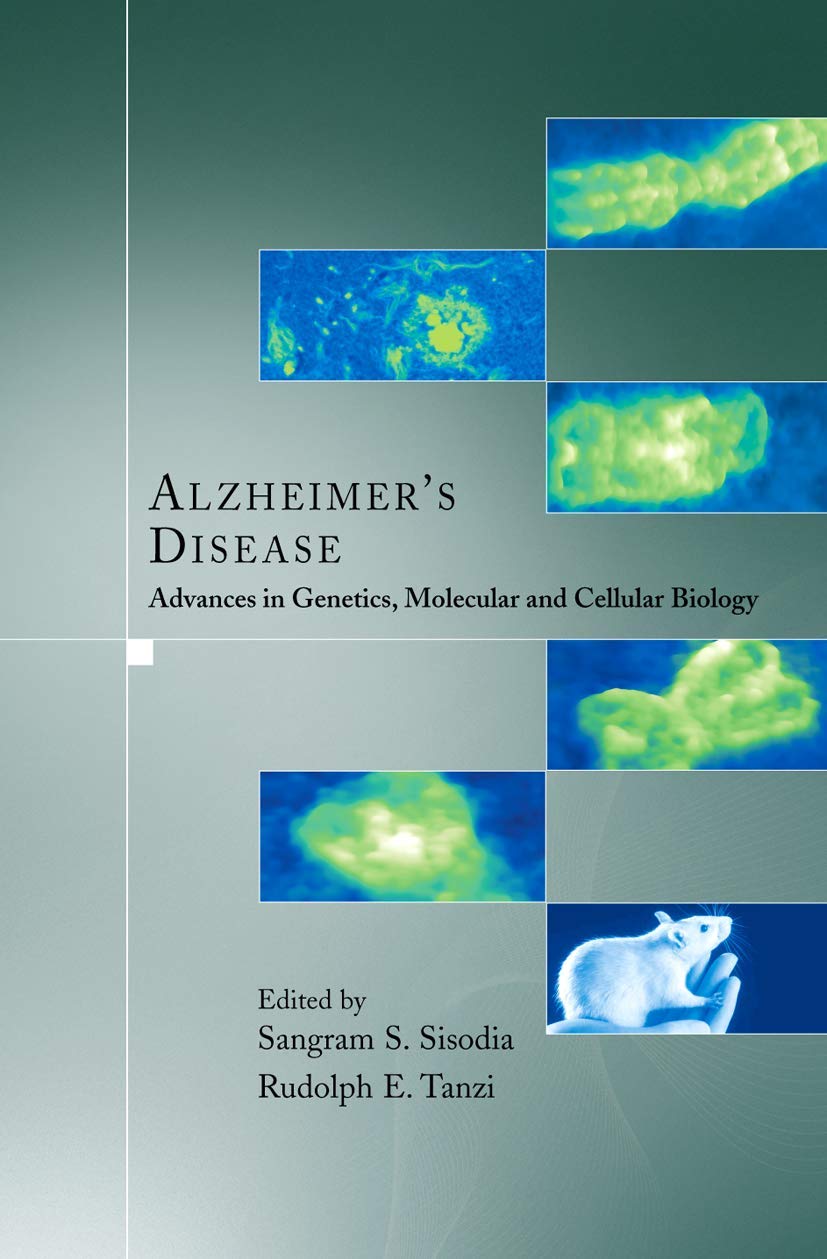
Alzheimer's Disease: Advances in Genetics, Molecular and Cellular
Alzheimer's Disease: Advances in Genetics, Molecular and Cellular
Price subject to change. Tap below for current.
Couldn't load pickup availability
In this review of Alzheimer's Disease: Advances in Genetics, Molecular and Cellular Biology the bottom line is straightforward: this is a scholarly reference aimed at researchers, clinicians, and advanced students who need a comprehensive update on the molecular and cellular science behind Alzheimer's disease. The book's single biggest reason to buy is its thorough, up-to-date summaries of genetic, biochemical, and cellular studies that are not found together in a recent volume elsewhere, making it a practical desk reference for anyone actively working on AD research or translational projects.
Key Features
- Comprehensive coverage: Chapters synthesize recent advances across genetics, molecular biology, and cell biology to present an integrated picture of Alzheimer pathology.
- Expanded cellular focus: The edition includes expanded discussion of cellular-level exploration of related dementias, helping readers compare mechanisms across disorders.
- Comparative disease chapters: In-depth presentation of prion diseases, Pick's disease, and fronto-temporal disorders aids researchers studying overlapping pathways.
- Transgenic models discussed: Coverage of transgenic animal models provides practical context for experimental design and interpretation of preclinical findings.
- Biochemistry of presenilins: Detailed treatment of presenilin biochemistry supports investigators focused on amyloid processing and therapeutic targets.
- Clinical trial perspective: The book reviews symptomatic treatments and common clinical trial challenges, offering useful context for translational researchers.
Who It's For
This book is best for neuroscience researchers, neurologists, and graduate students who require a scholarly, up-to-date synthesis of genetic and molecular advances in Alzheimer research. It suits readers who need depth on cellular mechanisms, presenilin biochemistry, and comparative pathology with related dementias.
It is less appropriate for casual readers or those seeking an introductory overview; lay caregivers and nontechnical audiences should look for a more accessible summary rather than this dense, research-oriented volume.
Pros & Cons
Pros
- Combines genetics, molecular, and cell biology perspectives in one reference, reducing the need to consult multiple sources.
- Offers expanded coverage of related dementing disorders, useful for comparative studies.
- Includes practical discussion of transgenic models and presenilin biochemistry that aids experimental planning.
Cons
- The material is scholarly and dense, so it is not aimed at lay readers and requires background knowledge to fully benefit.
Specifications
| Title | Alzheimer's Disease: Advances in Genetics, Molecular and Cellular Biology |
| Authors / Editors | Sangram S. Sisodia, Rudolph E. Tanzi |
| Subject | Genetics, molecular biology, cell biology of Alzheimer's disease |
| Coverage | Genetic studies, biochemical pathways, cellular-level disease exploration |
| Included topics | Prion diseases, Pick's disease, fronto-temporal disorders, transgenic models, presenilin biochemistry |
| Target audience | Researchers, clinicians, advanced students in neuroscience and neurology |
Our Verdict
This volume is a valuable, well-organized scholarly reference for professionals and graduate students engaged with the biological study of Alzheimer's disease. Its comprehensive synthesis of genetics, molecular mechanisms, and cellular pathology makes it good value for those needing depth and a current snapshot of the field, though it is not intended as an introductory or layperson resource.
Frequently Asked Questions
Does this book cover clinical treatments?
Yes; it discusses symptomatic treatments and the outcomes and challenges of clinical trials, with context for translational research.
Are related dementias included?
Yes; the edition expands coverage of prion diseases, Pick's disease, and fronto-temporal disorders for comparative insights.
Who benefits most from this book?
Researchers, neurologists, and advanced graduate students focusing on genetics, molecular biology, or cellular aspects of Alzheimer research will benefit most.
Editor's Take
This volume is a valuable, well-organized scholarly reference for researchers and advanced students, offering comprehensive synthesis of genetics, molecular mechanisms, and cellular pathology in Alzheimer's disease.

Recently viewed
Recently viewed products will appear here as customers browse the store.