

An Apocryphal Dictionary of Psychoanalysis - Reflective Clinical
An Apocryphal Dictionary of Psychoanalysis - Reflective Clinical
Price subject to change. Tap below for current.
Couldn't load pickup availability
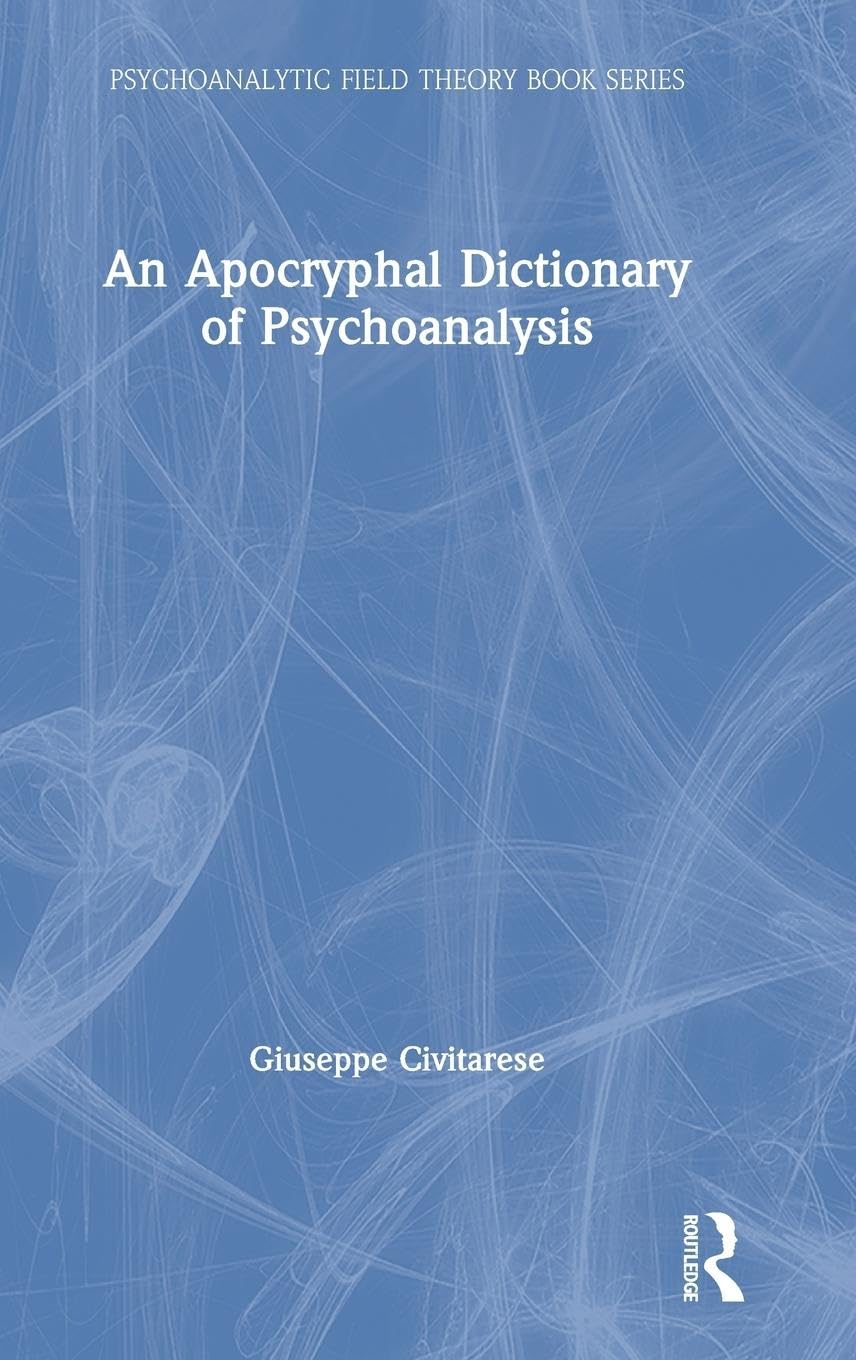
In this review of An Apocryphal Dictionary of Psychoanalysis the bottom line is clear: this is a reflective, idiosyncratic companion for clinicians and advanced students who seek practical, thought-provoking vignettes rather than a systematic textbook. Giuseppe Civitarese collects brief clinical notes, enigmatic objects, film and exhibition remarks, and stray thoughts that illuminate how psychoanalytic ideas arise in practice. The style is fragmentary and personal, and readers will value the book most for its moments of insight and emotional resonance rather than step-by-step technique.
Key Features
- Clinical vignettes: Short, concrete cases and episodes that illustrate how theoretical points emerge in real therapeutic work.
- Personal transpositions: A mix of memories, daily-life episodes and musings that show the author's evolving understanding of psychoanalysis.
- Varied material: Entries include notes from readings, summaries of papers and film or exhibition remarks that broaden clinical perspective.
- Apocryphal ordering: An unconventional arrangement that encourages associative reading and sparks connections across ideas.
- Emotional clarity: Brief epiphanies and observations that often carry a clear emotional tone, from amusement to gratitude or sadness.
Who It's For
This book suits practicing psychoanalysts, psychotherapists and advanced trainees who appreciate reflective, case-based writing and want compact prompts for clinical thinking. It is particularly useful for readers who enjoy interdisciplinary notes that reference films, exhibitions and readings alongside clinical material.
Those looking for a comprehensive textbook, structured treatment manuals or step-by-step therapeutic protocols should look elsewhere; the book's strength is its mosaic of impressions and personal fragments rather than exhaustive clinical instruction.
Pros & Cons
Pros
- Offers concise clinical vignettes that illuminate analytic practice in accessible moments.
- Provides a personal, reflective voice that makes theoretical points feel lived and immediate.
- Mixes cultural commentary and readings with clinical notes to expand interpretive horizons.
Cons
- The apocryphal, fragmentary ordering can feel disjointed for readers expecting a linear, systematic exposition.
Specifications
| Title | An Apocryphal Dictionary of Psychoanalysis |
| Series | Psychoanalytic Field Theory Book Series |
| Author / Brand | Giuseppe Civitarese |
| Content type | Clinical vignettes, notes, film and exhibition remarks, memories |
| Organization | Apocryphal, non-linear entries |
| Audience | Clinicians, advanced students, psychoanalytic readers |
Our Verdict
An Apocryphal Dictionary of Psychoanalysis is best for clinicians and advanced trainees who value evocative, personal writing that sparks clinical reflection. It delivers concise, emotionally textured observations and cross-disciplinary references that make it a rewarding, modestly sized companion for analytic thinking and ongoing study.
Frequently Asked Questions
Is this book a practical clinical manual?
Answer. No; it is a collection of reflective vignettes and musings rather than a step-by-step treatment guide.
Who wrote the entries and notes?
Answer. The material reflects the personal clinical notes, memories and readings of Giuseppe Civitarese.
Will cultural references be useful for clinicians?
Answer. Yes; remarks on films and exhibitions are included to broaden interpretive perspectives and link clinical ideas to culture.
Editor's Take
An Apocryphal Dictionary of Psychoanalysis is a reflective, fragmentary collection of clinical vignettes and cultural notes that rewards clinicians and advanced students seeking compact, emotionally resonant prompts for analytic thinking.

Recently viewed
Recently viewed products will appear here as customers browse the store.