

An Introduction to Applied Biogeography - Practical Undergraduate
An Introduction to Applied Biogeography - Practical Undergraduate
Price subject to change. Tap below for current.
Couldn't load pickup availability
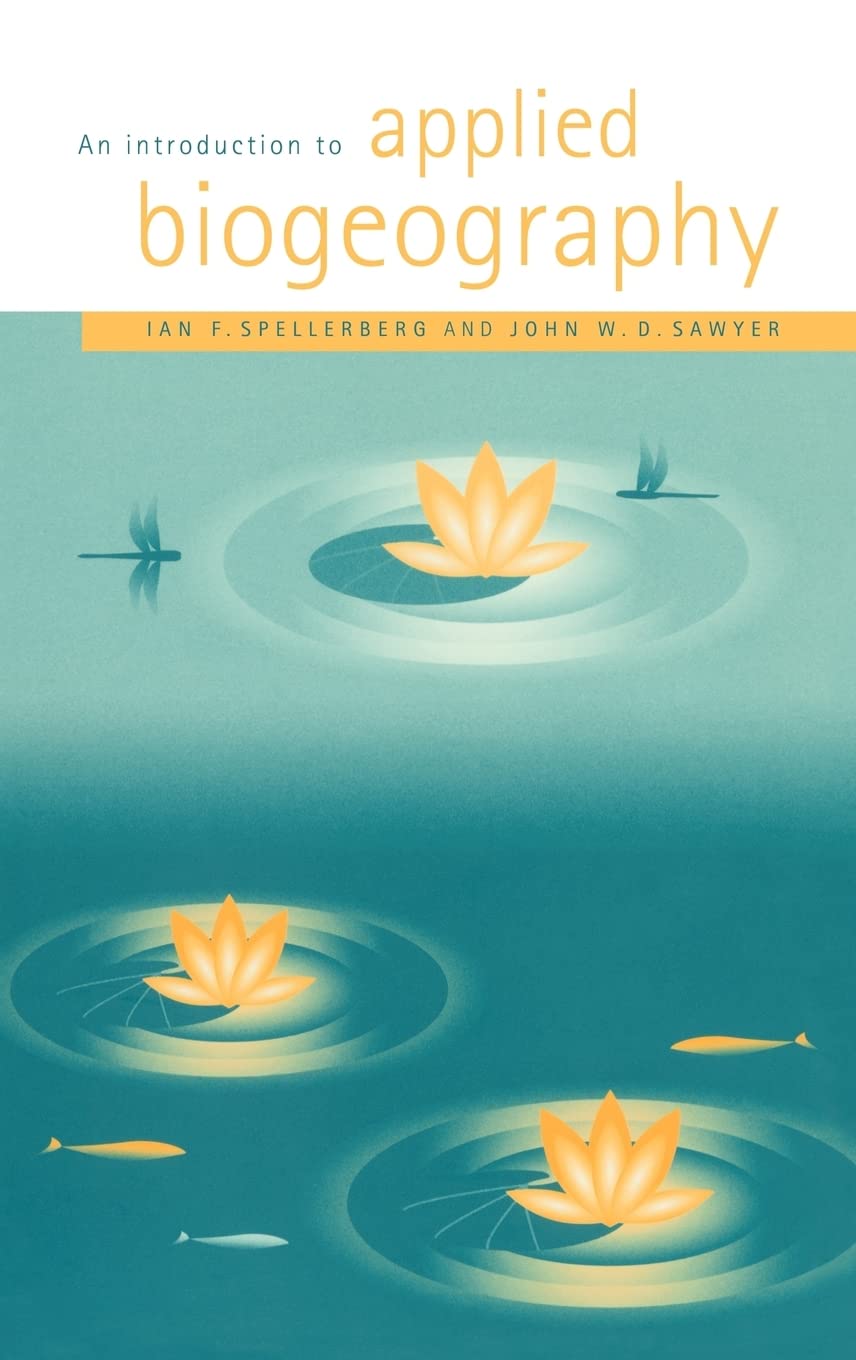
In this review of An Introduction to Applied Biogeography the authors present a clear, applied undergraduate textbook that focuses on the distribution of organisms and practical uses of biogeographical thinking. Intended for students and early-career practitioners, the book's single biggest reason to buy is its emphasis on applications: conservation management, landscape planning, environmental assessment and public health are threaded through accessible chapters and illustrative examples. The writing is lively and occasionally provocative, making complex concepts in applied biogeography easier to relate to real-world problems.
Key Features
- Applied focus: Emphasizes practical uses of biogeography such as conservation management and environmental assessment, helping readers connect theory to practice.
- Clear explanations: Presents geographical distribution concepts for plants, animals and other organisms in an accessible, undergraduate-friendly style.
- Relevant examples: Uses numerous illustrative examples and figures to clarify methods like island biogeography and corridor design for conservation planning.
- Human dimension: Discusses the role of humans and cultures in shaping biogeographical patterns, useful for multidisciplinary coursework.
- Data analysis coverage: Introduces the analysis of biogeographical data, supporting students who will undertake field or desktop studies.
Who It's For
This textbook is well suited to undergraduate students taking a course in biogeography, ecology or conservation who need an applied perspective rather than purely theoretical treatment. It is also useful for early-career conservation practitioners and environmental assessors looking for concise explanations of how biogeographical ideas inform planning and sustainable resource use.
Researchers seeking an advanced, methodological monograph or very detailed quantitative protocols should look elsewhere; this book prioritizes breadth and application over exhaustive statistical methods. Instructors wanting a lively, discussion-friendly text with practical examples will find it especially helpful.
Pros & Cons
Pros
- Strong emphasis on conservation applications that links theory to on-the-ground management decisions.
- Accessible prose and illustrative figures that aid comprehension for undergraduates and non-specialists.
- Coverage of island biogeography, wildlife corridors and human roles gives a broad toolkit for applied work.
- Useful introduction to analyzing biogeographical data for coursework and reports.
Cons
- Not a replacement for advanced textbooks if the reader needs in-depth quantitative methods or exhaustive reference material.
Specifications
| Title | An Introduction to Applied Biogeography |
| Authors | Ian F. Spellerberg, John W. D. Sawyer, Tony Whitten |
| Audience level | Undergraduate students and early-career practitioners |
| Primary focus | Applications of biogeography to conservation and planning |
| Key topics | Island biogeography, wildlife corridors, data analysis, human impacts |
| Style | Lively, accessible, sometimes provocative |
Our Verdict
For undergraduates and practitioners seeking a practical introduction to how biogeographical concepts apply to conservation, planning and environmental assessment, this book is a strong value. Its readable style, focused examples and attention to human dimensions make it a useful course text or field-to-desk reference, while readers needing advanced quantitative depth should supplement it with more specialized methods texts.
Frequently Asked Questions
Is this book suitable for beginners?
Yes. It is written for undergraduate level and explains core concepts with examples and figures useful to beginners.
Does it cover statistical methods in depth?
No. It introduces analysis of biogeographical data but is not a substitute for dedicated quantitative methods texts.
Will this help with conservation planning?
Yes. The applied chapters on island biogeography, corridors and human impacts are directly relevant to conservation management and landscape planning.
Editor's Take
This undergraduate textbook offers a practical introduction to applied biogeography, linking theory to conservation, planning and environmental assessment; it is ideal for students and practitioners but not a substitute for advanced quantitative texts.

Recently viewed
Recently viewed products will appear here as customers browse the store.