

An Introduction to Architectural Engineering - Practical Technical
An Introduction to Architectural Engineering - Practical Technical
Price subject to change. Tap below for current.
Couldn't load pickup availability
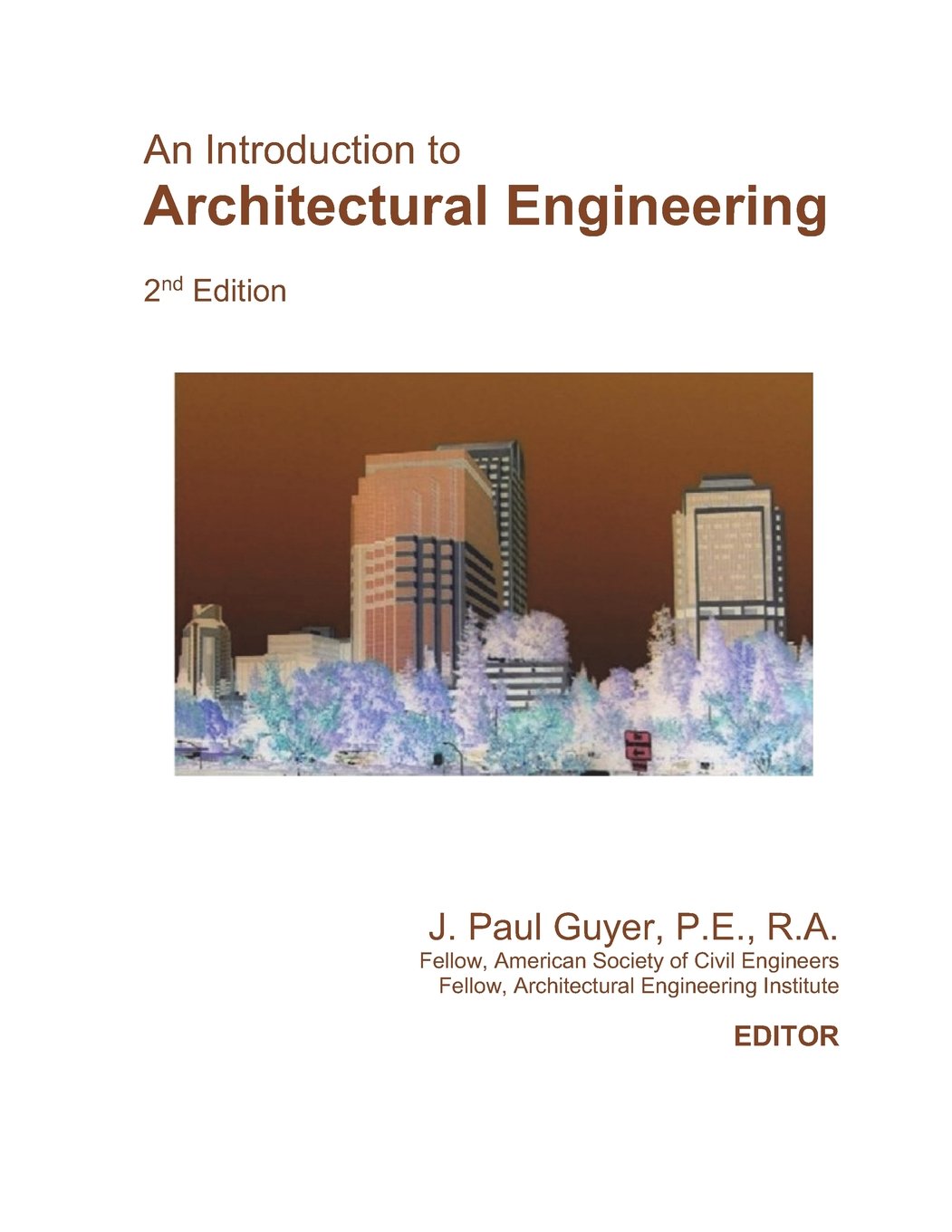
In this review of An Introduction to Architectural Engineering the reviewer finds it a practical, concise reference for professionals entering or refreshing their knowledge of building systems. Aimed at engineers, architects and construction managers, the book's single biggest strength is its broad, technically focused coverage of core architectural engineering topics - from foundations and structural systems to HVAC, lighting and fire protection - presented in an accessible format that supports project planning and early design decisions.
Key Features
- Comprehensive topic list: Covers foundational subjects such as foundations, structural systems and roofing systems so readers can quickly locate core design areas.
- Building systems focus: Includes practical chapters on heating, ventilating and air conditioning, plumbing and electrical distribution to support coordination of mechanical and electrical design.
- Design and sustainability: Discusses architectural design, sustainable design and low impact development to help integrate environmental strategies early in projects.
- Safety and code topics: Addresses fire protection, accessibility and noise control to guide compliance and occupant comfort considerations.
- Project planning value: Starts with area development plans and energy conservation, offering context useful to construction managers and planners.
Who It's For
This book is best for practicing civil or structural engineers, architects in early-career roles, and construction managers who need a single reference that spans site planning through building services. It works well as a primer for professionals who require a practical overview rather than deep, specialist calculations.
It is less suited to readers who need exhaustive theoretical derivations, advanced calculations or discipline-specific code commentary; specialists seeking in-depth HVAC engineering theory or structural analysis textbooks should look to technical monographs instead.
Pros & Cons
Pros
- Broad coverage of architectural engineering topics useful for interdisciplinary coordination.
- Practical focus on building systems that supports project-level decision making.
- Includes sustainability and energy conservation topics that reflect current design priorities.
Cons
- Not a substitute for detailed specialist texts when advanced calculations or code-level detail are required.
Specifications
| Title | An Introduction to Architectural Engineering |
| Author | J. Paul Guyer |
| Coverage | Foundations, Structural Systems, HVAC, Plumbing, Electrical, Lighting, Fire Protection |
| Topics included | Area Development, Sustainable Design, Low Impact Development, Accessibility, Energy Conservation, Noise Control |
| Audience | Professional engineers, architects, construction managers |
| Use case | Introductory technical guidance and project planning |
Our Verdict
An Introduction to Architectural Engineering is a solid, value-minded primer for professionals who need an integrated view of building systems and planning issues. Its concise, topic-driven chapters make it a useful desk reference during early design and coordination phases, and its inclusion of sustainability and site planning topics adds practical relevance for contemporary projects.
Frequently Asked Questions
Does this book cover mechanical and electrical systems?
Yes; it contains dedicated chapters on heating, ventilating and air conditioning, plumbing and electrical distribution.
Is it appropriate for code compliance detail?
No; the book offers technical guidance and overview but not exhaustive code commentary or detailed calculation procedures.
Who will benefit most from the book?
Early-career engineers, architects and construction managers seeking integrated guidance across architectural engineering topics will get the most value.
Editor's Take
A practical primer that gives engineers, architects and construction managers an integrated overview of building systems and site planning; ideal for early design coordination though not a substitute for specialist calculation texts.

Recently viewed
Recently viewed products will appear here as customers browse the store.