

An Introduction to Parasitology (Studies in Biology) - Clear Intro
An Introduction to Parasitology (Studies in Biology) - Clear Intro
Price subject to change. Tap below for current.
Couldn't load pickup availability
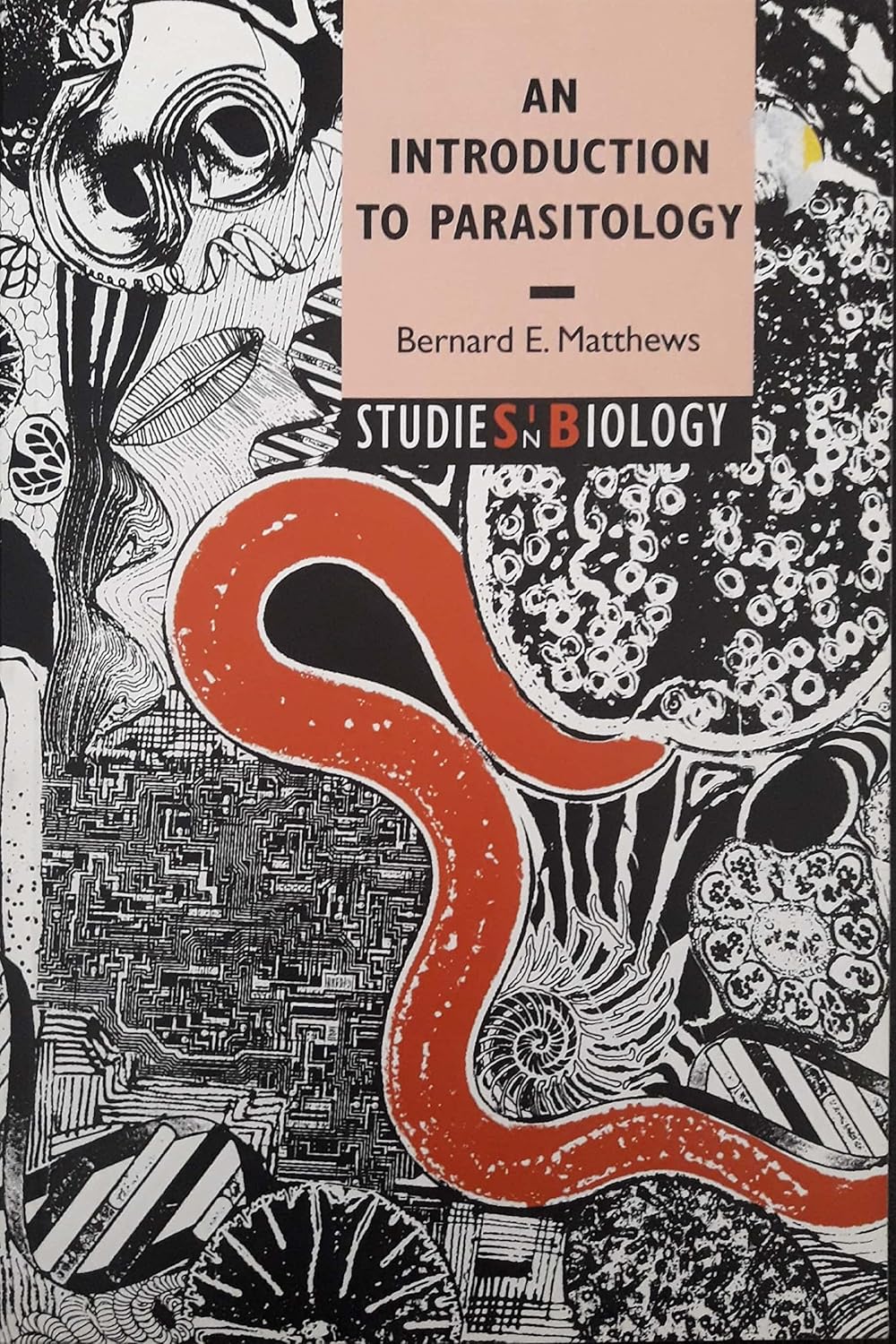
In this review of An Introduction to Parasitology the bottom line is straightforward: this compact undergraduate textbook is best for students and nonspecialists who need a clear, comparative overview of parasite biology. The author uses accessible language and wide-ranging examples to explain life cycles, host finding and survival strategies, and the significance of damage and control methods. For readers preparing to tackle more technical literature, the book delivers a concise foundation without overwhelming detail, making it a practical classroom or self-study resource.
Key Features
- Comparative approach: Presents parasite biology by comparing strategies across groups so readers see common themes rather than memorizing taxonomy.
- Concise coverage: Keeps explanations focused so undergraduates can grasp essential concepts without wading through excessive technical detail.
- Life cycle focus: Walks through stages from host finding to survival within hosts, clarifying how life cycles shape disease and control options.
- Broad examples: Uses cases from all groups of animal parasites to illustrate principles useful across biology, zoology and medicine.
- Accessible for nonspecialists: Written to prepare readers for more advanced literature while remaining readable for those new to parasitology.
Who It's For
This book suits first-year and intermediate students taking introductory parasitology in biology, zoology, human medicine or veterinary courses, and professionals seeking a refresher on fundamental concepts. It is especially helpful for readers who prefer a comparative, concept-driven presentation rather than a systematics-heavy text.
Those needing exhaustive laboratory protocols, detailed taxonomic keys or the latest molecular techniques should look elsewhere; the text is intentionally concise and aimed at conceptual grounding rather than exhaustive specialist detail.
Pros & Cons
Pros
- Clear, comparative explanations make it easier to understand common parasite strategies across animal groups.
- Concise chapters are well suited to classroom use and directed self-study without unnecessary depth.
- Emphasis on life cycles and control approaches connects biology to practical and clinical implications.
Cons
- Not a substitute for advanced or highly technical references for specialists needing deep methodological detail.
Specifications
| Title | An Introduction to Parasitology (Studies in Biology) |
| Author | Bernard E. Matthews |
| Intended audience | Undergraduates and nonspecialists in biology, zoology, medicine |
| Approach | Comparative rather than systematic |
| Scope | Parasite life cycles, host finding, survival, damage and control |
| Use cases | Introductory courses and review of key parasitology concepts |
Our Verdict
An Introduction to Parasitology is a well-judged introductory text that gives students and nonspecialists a compact, comparative foundation in parasite biology. It is good value for classroom adoption or self-study when the goal is conceptual clarity and preparation for more technical literature, though specialists will need supplemental advanced sources.
Frequently Asked Questions
Is this book suitable for medical students?
Yes, it is suitable for medical students as an introductory overview, particularly in early coursework, but not as a sole clinical reference.
Does the book cover parasite control methods?
Yes, it discusses approaches to control alongside life cycle and damage considerations to provide practical context.
Will this replace a systematic taxonomic manual?
No, the text uses a comparative approach and is not intended as a detailed taxonomic or laboratory manual.
Editor's Take
An Introduction to Parasitology is a concise, comparative undergraduate text that gives students and nonspecialists a clear foundation in parasite life cycles, damage and control; it is ideal for classroom use and preparatory study, though not a replacement for advanced specialist references.

Recently viewed
Recently viewed products will appear here as customers browse the store.