

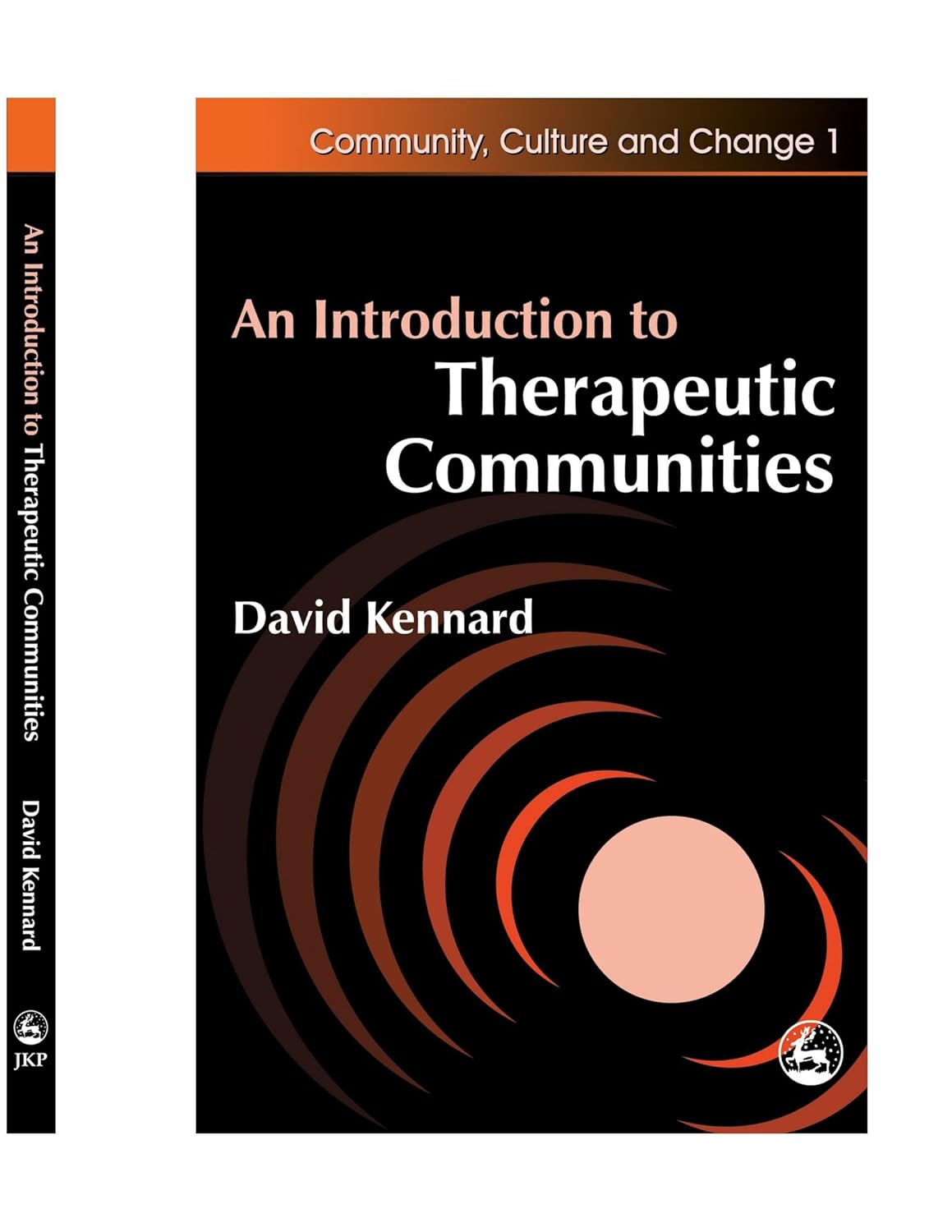
An Introduction to Therapeutic Communities - Clear Guide
An Introduction to Therapeutic Communities - Clear Guide
Price subject to change. Tap below for current.
Couldn't load pickup availability
In this review of An Introduction to Therapeutic Communities the reviewer finds it a concise, practical primer suited to students, new staff and clinicians interested in communal approaches to care. The book's single biggest strength is its clear explanation of how structured routines, shared responsibility and democratic processes create a safe emotional container; this makes it particularly useful for anyone seeking a readable overview of the concept rather than a technical manual on interventions.
Key Features
- Structured environment explained: Describes the role of set rules and timetables so readers can see how routine supports stability and daily functioning.
- Community governance: Explains how members participate in decisions, including admission, discharge and task allocation, which clarifies the democratic processes used in practice.
- Emotional containment: Details how meetings and relationships form a safe emotional container for distress, helping practitioners understand therapeutic aims.
- Variety of settings: Notes the wide range of institutions encompassed by the term therapeutic communities, so readers appreciate how models adapt to resident needs.
- Practical orientation: Focuses on everyday workings of communities rather than abstract theory, making it accessible for front-line staff and trainees.
Who It's For
This book is best for mental health students, new team members in residential settings and clinicians who want a straightforward introduction to community-based care models. It is a helpful classroom text or induction read because it lays out core practices such as voting on admissions, allocating domestic tasks and holding members accountable.
Those seeking deep theoretical frameworks, extensive case studies or step-by-step therapeutic techniques should look elsewhere, as the book prioritizes clear description of communal processes over exhaustive clinical protocols or lengthy research data.
Pros & Cons
Pros
- Clearly describes how a highly structured environment supports safety and routine for residents.
- Explains democratic participation so readers understand member roles in admissions and everyday decisions.
- Emphasizes relational meetings and accountability, offering insight into how communities contain and address distress.
Cons
- Not a substitute for in-depth clinical manuals; readers needing detailed therapeutic techniques may find it limited.
Specifications
| Title | An Introduction to Therapeutic Communities |
| Author | David Kennard |
| Main focus | Structure, relationships and meetings in therapeutic communities |
| Key subjects | Safe accommodation, twenty-four hour care, democratic processes |
| Intended readers | Students, new staff, clinicians interested in community models |
| Approach | Practical introduction emphasizing everyday workings |
Our Verdict
Overall, this is a valuable introductory guide for anyone entering or studying communal residential care; it explains why structure, shared responsibility and meetings matter and how they work together to create safety. It represents good value for those who need a clear, practice-oriented overview rather than a dense theoretical treatise.
Frequently Asked Questions
Does the book explain daily routines in therapeutic communities?
Yes, it outlines set rules and timetables and how they contribute to stability and predictable daily functioning.
Is this suitable for clinicians?
It is suitable as an introduction for clinicians and trainees, though not a replacement for detailed clinical manuals.
Does the author cover member participation?
Yes, the book describes democratic participation, including voting on admissions, task allocation and accountability.
Editor's Take
A clear, practice-oriented introduction ideal for students and new staff; it explains how structure, democratic participation and relational meetings create safety, though it is not a detailed clinical manual.

Recently viewed
Recently viewed products will appear here as customers browse the store.