

An Islamic Jihad of Nonviolence: Said Nursi's Model - Thoughtful
An Islamic Jihad of Nonviolence: Said Nursi's Model - Thoughtful
Price subject to change. Tap below for current.
Couldn't load pickup availability
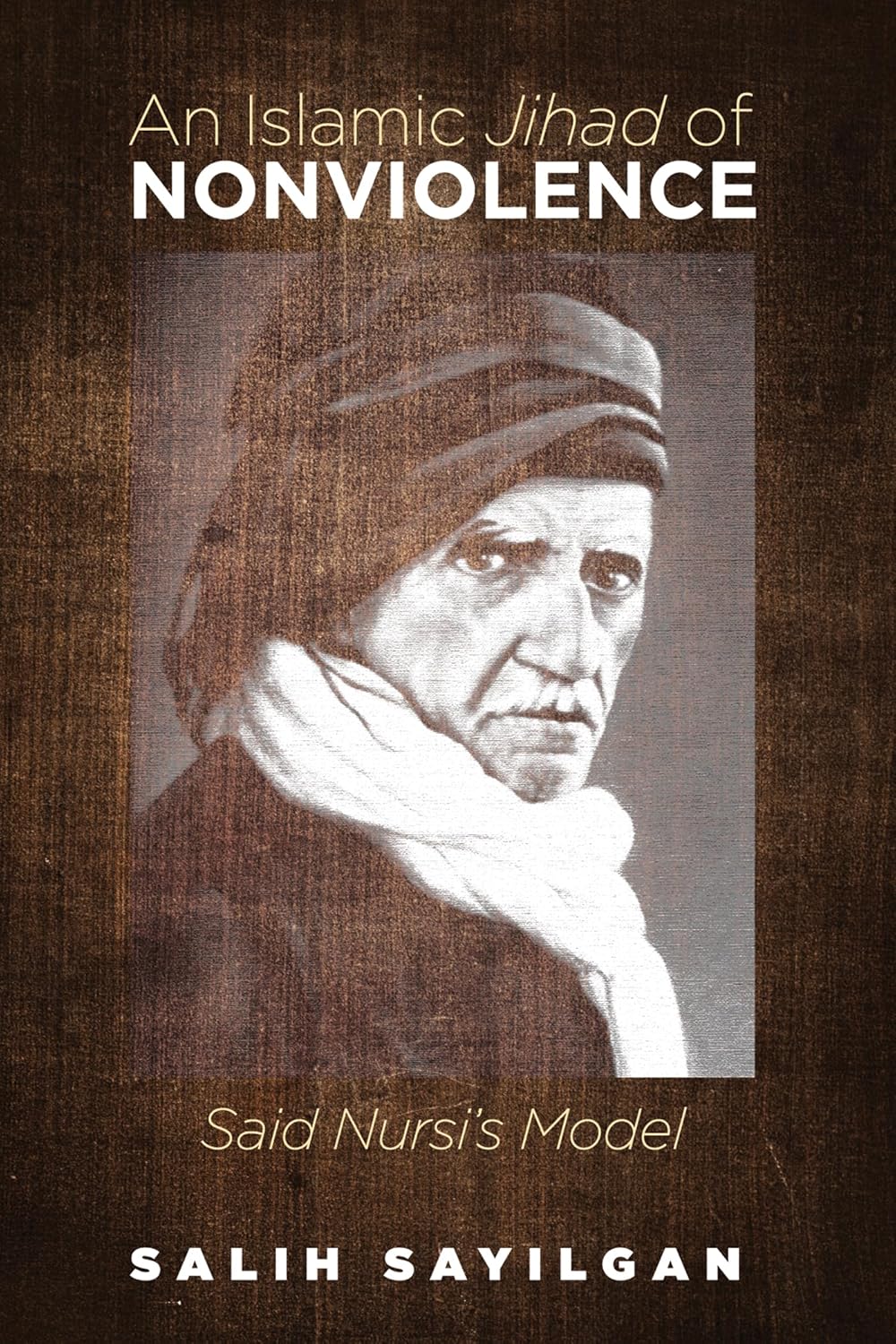
In this review of An Islamic Jihad of Nonviolence: Said Nursi's Model the reviewer finds a focused study aimed at readers who want a corrective perspective on jihad and a deeper understanding of Muslim nonviolent thought. The book is best for students of religion, scholars of modern Islamic movements, and readers interested in comparative nonviolent leaders, because it traces Said Nursi's arguments for reconciliation, tolerance, and principled nonviolence and places him alongside figures like Gandhi and Martin Luther King Jr. The review highlights clarity of argument and the book's value as a scholarly corrective.
Key Features
- Clear thesis: The author presents Said Nursi's concept of jihad of nonviolence as an intentional, textually grounded alternative to violent interpretations, which helps readers reassess common assumptions about jihad.
- Comparative context: The book situates Nursi alongside Nelson Mandela, Mahatma Gandhi, and Martin Luther King Jr., offering a useful frame for readers familiar with modern nonviolent movements.
- Focus on reconciliation: It emphasizes reconciliation and religious tolerance, providing practical examples from Nursi's teachings that illustrate nonviolent engagement.
- Scholarly approach: The study reads as an academic treatment with careful argumentation, suitable for coursework or informed personal study.
- Countering stereotypes: The book directly addresses how jihad has been distorted and used to foster fear, making it valuable for readers seeking a corrective narrative.
Who It's For
This book is best for graduate students, religious studies readers, and anyone researching modern Islamic thought or peace studies who wants a clear, text-based case for nonviolent Islam. It works well as a supplemental text in courses comparing religious leaders who advocated nonviolence.
Casual readers expecting a popular history or a wide-ranging biography may find the focus narrowly theological and comparative; those seeking a broad political history of Islamist movements should look elsewhere.
Pros & Cons
Pros
- Provides a focused, well-argued presentation of Nursi's nonviolent jihad, useful for academic study.
- Places Nursi in a comparative framework with well-known nonviolent leaders, enhancing accessibility for readers from other traditions.
- Addresses contemporary misconceptions about jihad and offers a corrective narrative that highlights religious tolerance.
Cons
- The work is scholarly in tone and may feel dense to readers seeking a lighter, narrative-driven account.
Specifications
| Title | An Islamic Jihad of Nonviolence: Said Nursi's Model |
| Author | Salih Sayilgan |
| Subject | Islamic theology, jihad, nonviolence |
| Comparative focus | Nelson Mandela, Mahatma Gandhi, Martin Luther King Jr. |
| Key themes | Reconciliation, religious tolerance, nonviolent struggle |
| Intended audience | Students, scholars, readers of religion and history |
Our Verdict
Overall, this study is a valuable corrective for readers seeking a rigorous, text-based defense of nonviolent interpretations of jihad; its comparative framing and emphasis on reconciliation make it worthwhile for students and scholars of religion, though those wanting a more narrative or popular treatment may prefer a different title.
Frequently Asked Questions
Does this book argue that jihad can be nonviolent?
Yes, the author documents Said Nursi's teaching that jihad can be a principled, nonviolent struggle focused on reconciliation and tolerance.
Who will benefit most from reading it?
Graduate students, scholars of Islamic thought, and readers interested in comparative nonviolent leaders will gain the most from its scholarly analysis.
Is the tone academic or popular?
The tone is scholarly and analytical rather than a light popular narrative.
Editor's Take
A rigorous, scholarly corrective that presents Said Nursi's jihad as principled nonviolence; recommended for students and scholars of religion though the tone is academic.

Recently viewed
Recently viewed products will appear here as customers browse the store.