

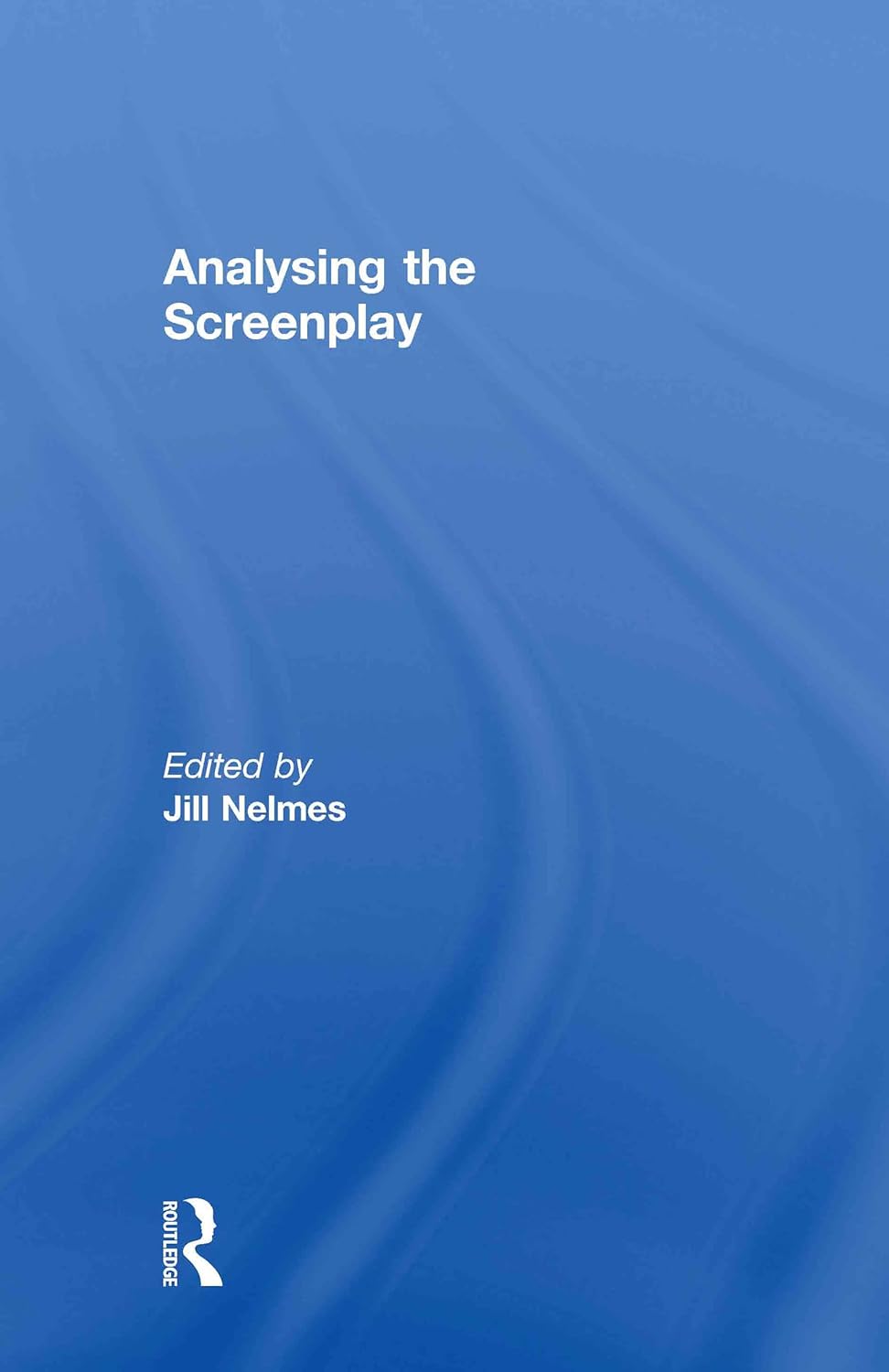
Analysing the Screenplay - Clear Guide to Script Study
Analysing the Screenplay - Clear Guide to Script Study
Price subject to change. Tap below for current.
Couldn't load pickup availability
In this review of Analysing the Screenplay the bottom line is simple: this book is for readers who want a thoughtful, academic look at the screenplay as its own artistic form. Jill Nelmes positions the script not merely as a production blueprint but as a subject worthy of serious study, and the book's main strength is its historical framing and range of approaches. The text is best for film students, critics and practitioners seeking context and analysis rather than quick how-to writing tips, and the review finds it rewarding for readers who value depth over crash-course instruction.
Key Features
- Historical overview: Traces the early development of the screenplay in the United States, France and Britain to show how the form evolved across different film cultures.
- Focus on form: Treats the screenplay as an independent artistic object, which helps readers appreciate scripts beyond their role in production.
- Analytical approaches: Explores a number of methods for studying the screenplay, offering readers multiple lenses for textual analysis.
- Production context: Discusses the screenplay's peculiar relationship to film production so readers understand the interactions between writers and filmmakers.
- Scope and depth: Covers a broad subject area to give both historical background and theoretical frameworks useful for academia and criticism.
Who It's For
Analysing the Screenplay is aimed at film students, academics and critics who want to examine scripts as a form in their own right. The book is well suited to classroom use or personal study when the goal is to understand historical development and different critical approaches to the screenplay.
It is less suited to readers seeking practical screenwriting craft exercises, template-driven instruction, or a quick handbook for breaking into production. Practising screenwriters looking for hands-on format templates or industry pitching advice should look for a companion practical guide alongside this book.
Pros & Cons
Pros
- Provides a clear historical account of screenplay development across several countries, which strengthens contextual understanding.
- Positions the screenplay as an autonomous form, encouraging deeper textual and theoretical study for students and critics.
- Offers multiple analytical approaches, giving readers varied tools to interpret different kinds of scripts.
Cons
- Not a practical how-to manual for immediate screenwriting techniques or production checklists; readers wanting craft drills may be disappointed.
Specifications
| Title | Analysing the Screenplay |
| Author | Jill Nelmes |
| Subject focus | Screenplay history and criticism |
| Geographic coverage | United States, France and Britain |
| Approach | Analytical and academic |
| Audience | Film students, critics and academics |
Our Verdict
Analysing the Screenplay is a thoughtful, well-structured book for anyone wanting to study scripts as a creative and historical form. It offers valuable context and analytical tools that make it good value for students and critics, though those seeking step-by-step screenwriting craft may need a practical companion.
Frequently Asked Questions
Does this book cover screenplay history?
Yes, it traces early development in the United States, France and Britain and situates the screenplay historically.
Is it a practical writing manual?
No, the emphasis is critical and analytical rather than being a step-by-step craft guide.
Who benefits most from this book?
Film students, academics and critics will gain the most from its theoretical and historical perspectives.
Editor's Take
Analysing the Screenplay is a thoughtful, historical and analytical study that treats scripts as an artistic form; ideal for film students and critics though not a practical how-to manual.

Recently viewed
Recently viewed products will appear here as customers browse the store.