

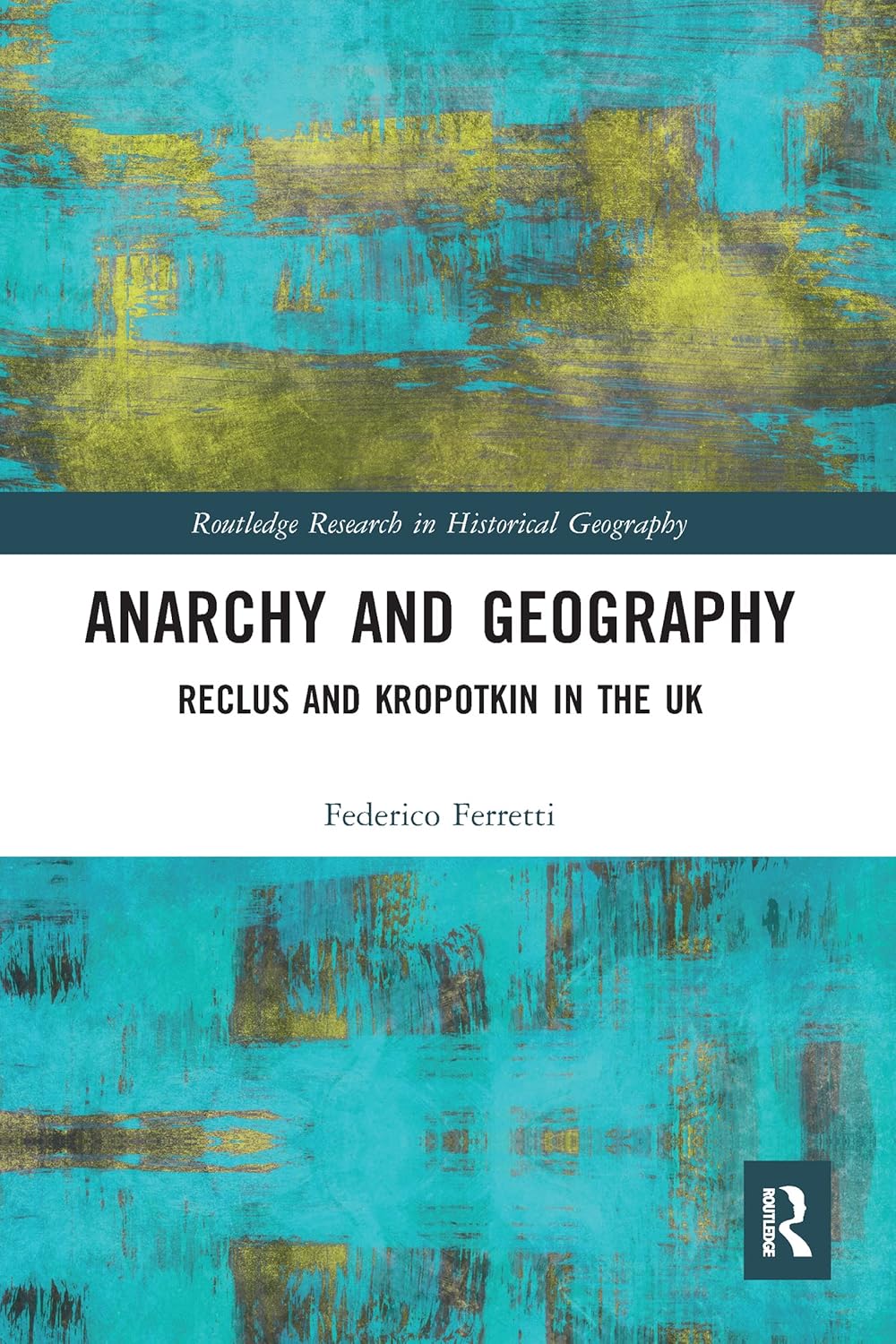
Anarchy and Geography - Historical Study of Anarchist Geographies
Anarchy and Geography - Historical Study of Anarchist Geographies
Price subject to change. Tap below for current.
Couldn't load pickup availability
In this review of Anarchy and Geography, the reviewer finds a focused historical study best suited to scholars and readers interested in political geography and anarchist thought. The book's single biggest reason to buy is its careful linking of 19th- and early 20th-century exile networks to the development of anarchist geographic ideas in Britain and Ireland, offering readers a rare archival and historiographic perspective on Elisee Reclus and Pyotr Kropotkin. This review highlights the book's research depth, narrative clarity, and the way it situates print culture and political circles within broader mobilities.
Key Features
- Historical focus: Traces the development of anarchist geographies in the UK and Ireland, which helps contextualize modern political geography debates.
- Primary-source research: Draws on archival materials and biographical links to reconstruct early anarchist networks, giving readers direct connection to original evidence.
- Biographical analysis: Examines the roles of Elisee Reclus and Pyotr Kropotkin during exile, clarifying how their writings were cultivated in Britain and Ireland.
- Interdisciplinary approach: Uses historiography and mobilities frameworks to link print culture with political circulation, aiding scholars across disciplines.
- Readable scholarship: Presents complex historical material in an organized narrative suitable for graduate students and researchers.
Who It's For
This is for academic readers, graduate students and researchers in political geography, history of political thought, and social movements who want a rigorous account of anarchist ideas as they circulated in Britain and Ireland. The book is especially valuable to those studying print culture, exile communities, and networks that shaped political doctrines.
It is less suitable for casual readers seeking an introduction to anarchism without academic apparatus, or for those expecting a broad contemporary manifesto on anarchist practice; the emphasis here is historical and archival rather than a practical handbook.
Pros & Cons
Pros
- Well-researched use of primary sources that establishes early anarchist geographic networks.
- Clear focus on Reclus and Kropotkin provides depth on two central figures in anarchist geography.
- Interdisciplinary framing connects print culture and mobilities in a way that benefits multiple scholarly fields.
Cons
- The book's academic orientation and archival detail may be dense for non-specialist readers.
Specifications
| Title | Anarchy and Geography (Routledge Research in Historical Geography) |
| Author | Federico Ferretti |
| Subject | History of anarchist geographies in Britain and Ireland |
| Key figures discussed | Elisee Reclus and Pyotr Kropotkin |
| Approach | Historiography, mobilities, print culture and biographical links |
| Intended audience | Scholars, graduate students, researchers in political geography |
Our Verdict
Federico Ferretti's study is a valuable, well-documented contribution for scholars who need a focused historical account of anarchist geographies and the networks behind them. Its reliance on primary sources and its interdisciplinary framing make it good value for researchers seeking depth and archival grounding, while general readers should expect a scholarly tone rather than a popular narrative.
Frequently Asked Questions
Does this book cover contemporary anarchist practice?
Answer. The book links historical networks to implications for current practice but concentrates on archival and historical analysis rather than contemporary activist manuals.
Which figures are central to the book?
Answer. The study centers on Elisee Reclus and Pyotr Kropotkin and how their works were cultivated in Britain and Ireland.
Is this suitable for undergraduate courses?
Answer. It is most useful at graduate level or for researchers, though advanced undergraduates with an interest in political geography could also find it informative.
Editor's Take
Federico Ferretti's Anarchy and Geography is a well-documented historical study that links Reclus and Kropotkin to anarchist geographies in Britain and Ireland, making it valuable for scholars and graduate students seeking archival depth.

Recently viewed
Recently viewed products will appear here as customers browse the store.