

Animals, Disability, and the End of Capitalism - Critical Eco-Ability
Animals, Disability, and the End of Capitalism - Critical Eco-Ability
Price subject to change. Tap below for current.
Couldn't load pickup availability
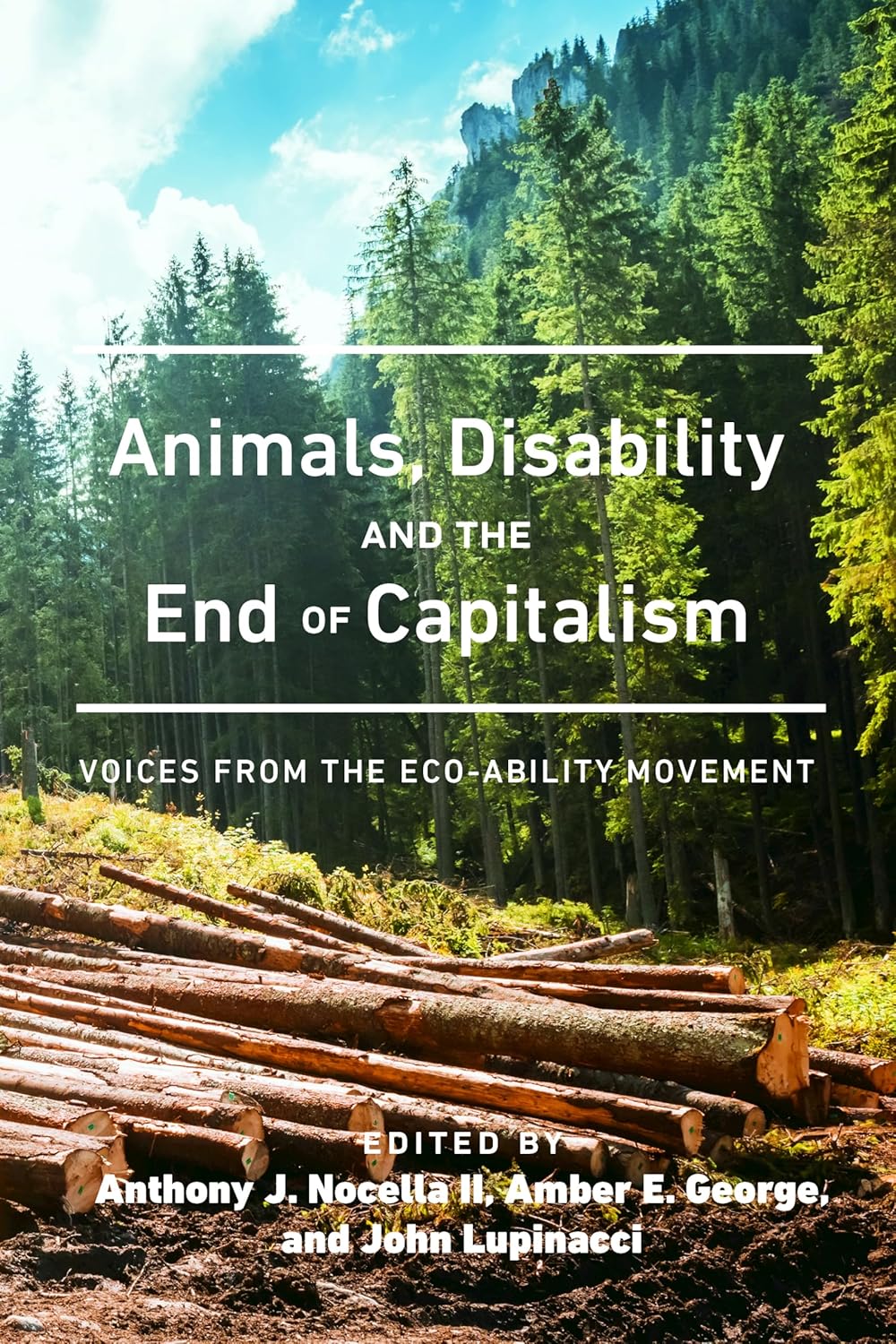
In this review of Animals, Disability, and the End of Capitalism the reviewer finds a thoughtful, essay-driven collection aimed at readers who want to explore the intersections of ecology, disability studies, and animal studies. The book's chief strength is its combination of critical pedagogy and inclusive education perspectives, which together foreground the concept of eco-ability as a lens for understanding how social constructions of disability, nature, and animals are entwined with political and economic systems. For scholars, activists, and educators seeking nuanced argumentation rather than quick prescriptions, this collection is a substantial resource.
Key Features
- Interdisciplinary essays: The collection brings together leaders in eco-ability to connect disability activism with environmental and animal studies for a broad intellectual view.
- Critical pedagogy focus: Contributors emphasize educational approaches that challenge normalcy and dominant narratives, useful for inclusive classroom practice and curriculum development.
- Inclusive education perspective: Practical and theoretical discussions help readers rethink accessibility and participation in environmental education settings.
- Global interdependence theme: Essays illustrate how actions like species extinction in one region can have ecological and social consequences elsewhere, stressing systemic thinking.
- Challenges binaries and domination: The book critiques rigid categories such as human/animal and able/disabled, offering conceptual tools for activism and policy critique.
Who It's For
This volume is best suited to academics, graduate students, disability and environmental activists, and educators interested in integrating eco-ability into teaching and advocacy. Its essays assume a willingness to read theoretical work and consider complex social systems rather than quick how-to solutions.
Those looking for a brief primer, step-by-step classroom lesson plans, or lightweight popular summaries may find the collection dense; readers seeking empirical field guides or prescriptive policy manuals should look elsewhere.
Pros & Cons
Pros
- The interdisciplinary approach connects disability activism, animal studies, and environmental education in a coherent framework.
- Strong emphasis on critical pedagogy and inclusive education provides practical language for teachers and advocates.
- Global examples and the theme of interdependence broaden the book's relevance beyond narrow local concerns.
Cons
- The essay collection format can feel dense and theoretical for readers seeking quick, practical guidance.
Specifications
| Title | Animals, Disability, and the End of Capitalism |
| Series | Radical Animal Studies and Total Liberation |
| Editor / Brand | Nocella |
| Content type | Collection of essays on eco-ability, pedagogy, and activism |
| Subjects | Disability studies; animal studies; environmental education; critical pedagogy |
| Intended audience | Scholars, activists, educators |
Our Verdict
Animals, Disability, and the End of Capitalism is a rigorous, idea-driven collection that rewards readers who want to engage with the theory and praxis of eco-ability. Its interdisciplinary essays make it a valuable reference for educators and activists rethinking access, ecology, and animal-human relations; it represents good value for those seeking depth rather than quick fixes.
Frequently Asked Questions
Is this book suitable for classroom use?
Yes-many essays address pedagogy and inclusive education, making it useful for advanced courses and curriculum development.
Does the collection include practical activism strategies?
It emphasizes theoretical framing and critical perspectives, which can inform strategies but does not primarily offer step-by-step guides.
Who contributes to this volume?
The book features leaders in the field of eco-ability and disability activism, bringing diverse academic and activist perspectives.
Editor's Take
A rigorous, interdisciplinary collection that connects disability activism, animal studies, and environmental education; ideal for scholars and educators seeking deep theoretical framing rather than quick practical guides.

Recently viewed
Recently viewed products will appear here as customers browse the store.