

Anthropological Witness: Lessons from the Khmer Rouge Tribunal
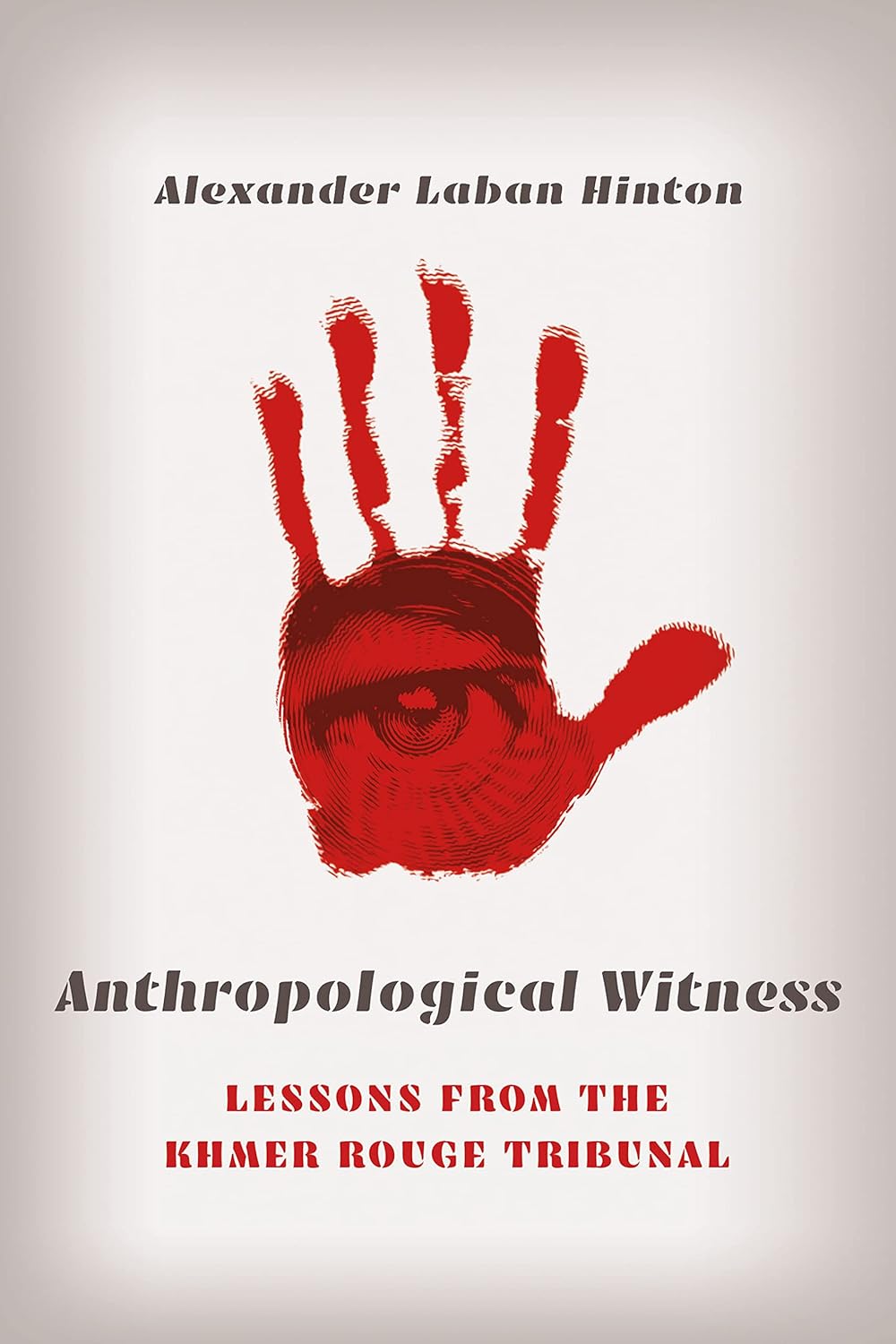
Anthropological Witness: Lessons from the Khmer Rouge Tribunal
Price subject to change. Tap below for current.
Couldn't load pickup availability
In this review of Anthropological Witness: Lessons from the Khmer Rouge Tribunal, the bottom line is clear: this is a thoughtful, firsthand account for readers interested in transitional justice, witness work, and the ethics of expert testimony. Alexander Laban Hinton combines field experience and courtroom presence to illuminate how anthropological knowledge is used and contested in a high-stakes tribunal. The book is best bought by those who want an inward look at the challenges of explaining atrocity and the responsibilities of the public scholar.
Key Features
- Firsthand courtroom account: Hinton describes his role as an expert witness at the Extraordinary Chambers in the Courts of Cambodia, offering direct insight into tribunal proceedings and interactions with accused figures.
- Ethical reflection: The narrative examines the moral dilemmas faced by scholars who testify, clarifying what it means to balance advocacy and evidence in legal contexts.
- Engagement with denial: The book captures a pivotal exchange with Nuon Chea, demonstrating how genocide denial challenges both factual record and moral responsibility.
- Anthropological perspective: Hinton translates long-term field knowledge into courtroom-relevant analysis, showing how cultural and historical context informs legal explanations.
- Public scholarship focus: The text addresses the role of the scholar beyond academia, useful for readers thinking about outreach, education, and accountability after mass atrocity.
Who It's For
This book is especially valuable for students and practitioners of anthropology, transitional justice, human rights law, and those researching the Cambodian genocide; it gives a rare introspective look at expert testimony and how anthropological methods translate to court settings. Academics and public intellectuals will appreciate the book's candid discussion of ethical stakes when scholarship enters legal and political arenas.
Readers seeking a comprehensive legal manual on tribunal procedure or a detailed historical narrative of the entire Khmer Rouge era may want supplemental texts; this work centers on the experience of testimony and the epistemological questions it raises rather than exhaustive legal procedure or broad historiography.
Pros & Cons
Pros
- Provides a rare, candid insider perspective on expert testimony at an international tribunal.
- Thoughtful ethical analysis helps readers understand the limits and responsibilities of scholarly evidence in court.
- Concrete example of engaging with genocide denial shows real-world stakes of public scholarship.
Cons
- The book focuses tightly on testimony and ethics, so readers looking for a full procedural guide to tribunals may find it limited.
Specifications
| Title | Anthropological Witness: Lessons from the Khmer Rouge Tribunal |
| Author | Alexander Laban Hinton |
| Setting | Extraordinary Chambers in the Courts of Cambodia (2016 testimony) |
| Main subject | Expert testimony, ethics, and genocide denial |
| Perspective | Anthropological and public scholarship |
| Notable incident | Direct exchange with Nuon Chea |
Our Verdict
Anthropological Witness is a focused, reflective account that succeeds as both a memoir of courtroom engagement and a meditation on the ethical limits of explanation. Those interested in how scholarship operates in courts and public debates will find it good value for its candid, experience-driven insights; readers seeking procedural legal detail should pair it with tribunal-focused sources.
Frequently Asked Questions
Does this book include the author's courtroom testimony?
Yes, the narrative centers on Hinton's experience serving as an expert witness at the Extraordinary Chambers in the Courts of Cambodia in 2016.
Is the book a general history of the Khmer Rouge?
No, it concentrates on the role of testimony, ethical issues, and engagement with denial rather than offering a comprehensive history.
Who will benefit most from reading it?
Anthropologists, legal scholars, students of transitional justice, and public intellectuals will gain the most from its firsthand reflections.
Editor's Take
Anthropological Witness is a focused, reflective account of expert testimony and ethics at the Khmer Rouge tribunal; it is essential for readers interested in how scholarship is used in courts and public debates.

Recently viewed
Recently viewed products will appear here as customers browse the store.