

Archaeology, Anthropology and Interstellar Communication - Expert
Archaeology, Anthropology and Interstellar Communication - Expert
Price subject to change. Tap below for current.
Couldn't load pickup availability
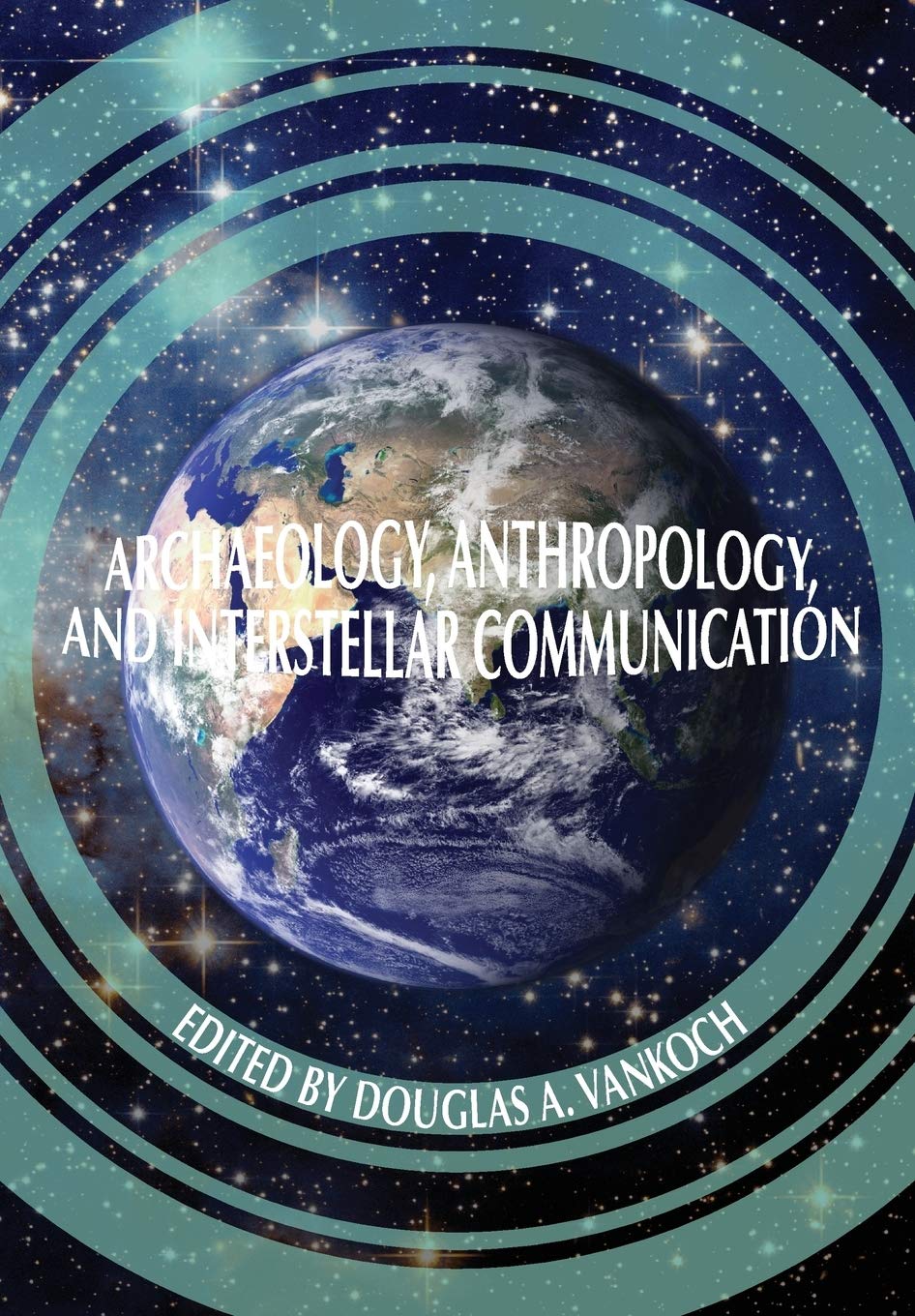
In this review of Archaeology, Anthropology and Interstellar Communication the reviewer finds a thoughtful, interdisciplinary collection aimed at readers curious about how human social sciences can inform contact scenarios with extraterrestrial intelligence. This book is best for scholars and interested lay readers who want a perspective beyond technical signal detection, because it foregrounds cultural, interpretive, and ethical questions that physical scientists often overlook. The tone is academic but accessible, and the contributors collectively argue that anthropology and archaeology provide essential tools for preparing to understand and respond to an information-rich extraterrestrial signal.
Key Features
- Interdisciplinary focus: Contributors bring perspectives from archaeology and anthropology to broaden the conversation on how to interpret messages and material culture from nonhuman intelligences.
- Practical questions: The essays tackle concrete challenges about meaning, context, and communication strategies rather than only technical detection issues.
- Human-centered framing: The collection emphasizes human cultural assumptions and the need to prepare institutions and publics for contact scenarios.
- Scholarly rigor: Written by experienced researchers, the book situates contact questions within established social-science methods and theory.
- Preparedness emphasis: The contributors aim to make readers and decision makers better prepared for interpreting an information-rich signal from another world.
Who It's For
This volume is ideal for researchers, graduate students, and policy makers who want a social-science lens on SETI and interstellar communication, and for readers who appreciate essays that connect cultural theory to practical questions of interpretation. The book is also useful for historians of science and those studying institutional responses to novel information.
Readers seeking technical treatments of radio astronomy, signal-processing algorithms, or engineering protocols should look elsewhere; the collection complements technical literature rather than replacing it. Those expecting a popular, anecdotal read may find the essays more academic in tone.
Pros & Cons
Pros
- Broadens the discourse by centering anthropological and archaeological approaches to contact scenarios.
- Provides thoughtful, theoretically informed essays that address real-world interpretive challenges.
- Useful for policy and preparedness discussions because it links cultural analysis to practical questions of response.
Cons
- The academic tone and focus on theory may be challenging for casual readers seeking light coverage.
Specifications
| Title | Archaeology, Anthropology and Interstellar Communication |
| Authors / Editor | Nasa History Office and Douglas A Vakoch |
| Subject | Interdisciplinary studies linking archaeology, anthropology, and interstellar communication |
| Audience | Scholars, policy makers, and advanced students |
| Approach | Humanities and social-science perspectives on extraterrestrial signals |
| Use case | Preparing for interpretation and institutional response to contact |
Our Verdict
Archaeology, Anthropology and Interstellar Communication is a valuable, well-argued collection for anyone wanting to widen the conversation beyond engineering and signal detection. It offers good value for scholars and practitioners who need insight into cultural interpretation and preparedness, though readers seeking technical engineering detail should supplement it with domain-specific literature.
Frequently Asked Questions
Does this book cover technical signal detection?
No, the collection focuses on cultural, interpretive, and institutional questions rather than radio engineering or signal-processing techniques.
Who contributed to this volume?
Essays are written by scholars in archaeology, anthropology, and related fields with interest in the challenges of interstellar communication.
Is the tone academic or popular?
The volume is largely academic in tone and is best suited to readers comfortable with scholarly argument and theory.
Editor's Take
This collection offers a valuable social-science perspective on interpreting extraterrestrial signals, ideal for scholars and policy makers seeking cultural and institutional preparedness rather than technical detection detail.

Recently viewed
Recently viewed products will appear here as customers browse the store.