

Architects of Change: Designing Strategies for a Turbulent Business
Architects of Change: Designing Strategies for a Turbulent Business
Price subject to change. Tap below for current.
Couldn't load pickup availability
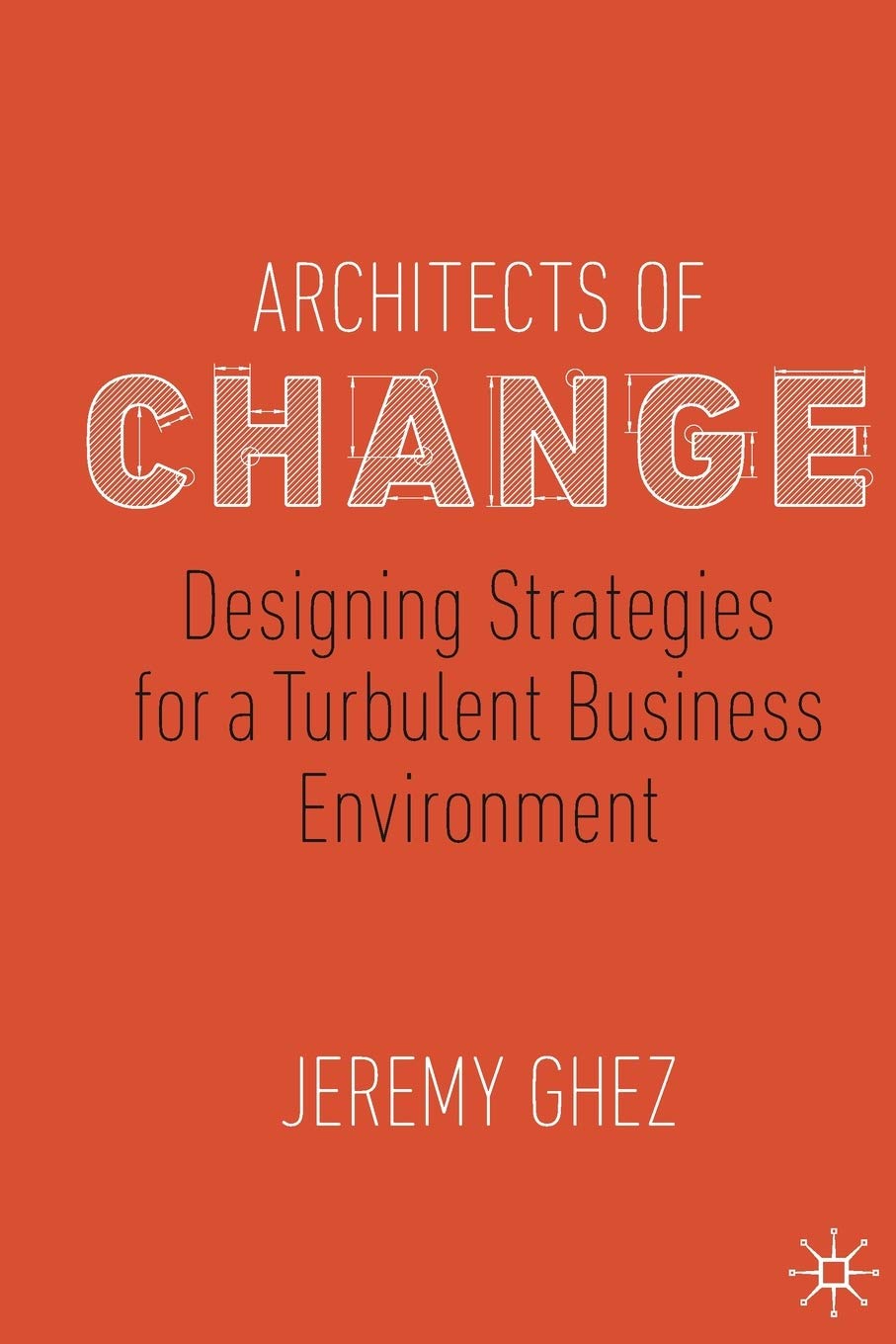
In this review of Architects of Change, Jeremy Ghez presents a practical framework for leaders and strategists who want to stop reacting to crises and start designing organisations that endure. The book's single biggest strength is its analogy of the architect versus the firefighter, which drives a clear method for identifying long-term drivers, assessing political and market threats, and rehearsing future scenarios. For readers interested in strategic foresight, resilience and industry reinvention, this is a thoughtful, applied guide rather than a theoretical treatise.
Key Features
- Architect vs firefighter analogy: Clarifies the mindset shift from crisis response to building systems that withstand volatility, helping teams prioritise durable design over short-term fixes.
- Tools for identifying actors of change: Offers concrete approaches to spot who and what will shape future markets so organisations can anticipate shifts earlier.
- Scenario simulations: Encourages running structured simulations about the future to stress-test strategies and reveal hidden risks.
- Focus on geopolitics and political threats: Frames political developments as core strategic inputs so businesses can assess regulatory and geopolitical exposures.
- Emphasis on resilience and creativity: Shows how resilience planning and creative thinking combine to produce adaptive business models rather than brittle plans.
Who It's For
Architects of Change is best suited to business leaders, strategy teams, consultants and entrepreneurs who need a practical toolkit for long-term planning and want to embed an entrepreneurial mind-set in their organisation. The book reads well for anyone responsible for competitive strategy, scenario planning or industry transformation.
It is less appropriate for readers seeking academic depth or exhaustive case studies; those wanting step-by-step operational templates for immediate implementation may need to supplement it with more tactical guides.
Pros & Cons
Pros
- Practical mindset shift that helps leaders move from reactive to proactive strategic design.
- Clear methods for identifying actors of change and running future simulations.
- Useful treatment of geopolitics and creative destruction as strategic inputs rather than background noise.
Cons
- The book is more conceptual and strategic than a plug-and-play manual, so teams may need additional templates to operationalise ideas.
Specifications
| Title | Architects of Change: Designing Strategies for a Turbulent Business Environment |
| Author | Jeremy Ghez |
| Audience focus | Business leaders, strategists, entrepreneurs |
| Core topics | Geopolitics, creative destruction, resilience, creativity |
| Main method | Identify actors of change and conduct future simulations |
| Purpose | Transform business and industry strategy |
Our Verdict
Jeremy Ghez delivers a thought-provoking and practical strategic handbook that is valuable for leaders who must design organisations that survive upheaval. Its greatest value is in reframing how teams think about future threats and opportunities; those seeking concrete operational templates should pair it with implementation guides, but as a strategy primer it offers strong value.
Frequently Asked Questions
Does this book include practical exercises?
The book encourages simulations and offers approaches to run them, though it is higher level than a workbook of step-by-step exercises.
Who will benefit most from the book?
Strategy teams, entrepreneurs and executives responsible for long-term planning and industry transformation will gain the most.
Is the focus theoretical or applied?
The focus is applied and strategic, emphasising tools and mind-sets for real-world planning rather than purely academic theory.
Editor's Take
Architects of Change is a practical strategic primer that helps leaders shift from reactive crisis response to designing resilient organisations by identifying actors of change and running future simulations; ideal for strategists who want a mindset and toolkit for long-term planning.

Recently viewed
Recently viewed products will appear here as customers browse the store.