

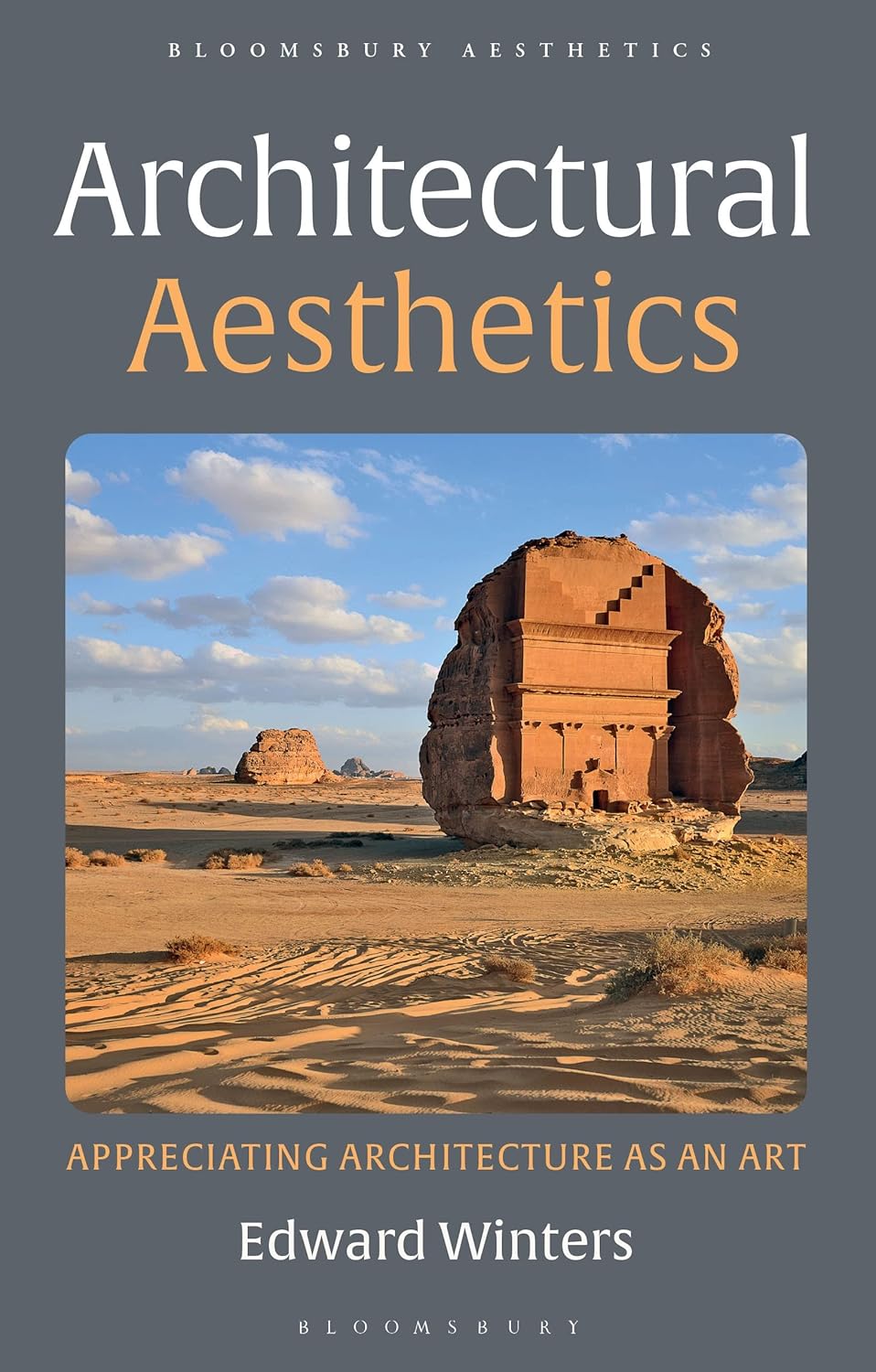
Architectural Aesthetics: Appreciating Architecture As An Art
Architectural Aesthetics: Appreciating Architecture As An Art
Price subject to change. Tap below for current.
Couldn't load pickup availability
In this review of Architectural Aesthetics: Appreciating Architecture As An Art, Edward Winters offers a thoughtful defence of architecture as a fine art and explains why that classification matters. Aimed at readers who care about the theory behind buildings rather than practical construction details, the book's single biggest value is its argument that architecture can hold both intrinsic artistic worth and extrinsic usefulness without collapsing into strict Functionalism. Winters frames his case philosophically, drawing on classical contrasts to reconcile contemplative and embodied responses to built form.
Key Features
- Argument for architecture as fine art: Winters lays out a clear, sustained rationale for why architecture should be regarded alongside painting and sculpture, helping readers reframe familiar buildings as artistic works.
- Reconciliation of values: The book explains how architecture can possess intrinsic value while still providing shelter, security and comfort, useful for students of aesthetics and practicing architects alike.
- Use of classical concepts: By drawing on Apollonian and Dionysian ideas, the author gives readers a conceptual toolkit to understand contemplative versus embodied engagements with buildings.
- Cultural context: Winters situates architecture within the cultural environments where people live, making the discussion relevant to urbanists and cultural critics.
- Critical clarity: The prose keeps philosophical distinctions precise so readers can follow the argument without excessive jargon.
Who It's For
This book is best suited to readers interested in architectural theory, art criticism, or aesthetics who want a compact, reasoned defence of architecture's artistic status. Graduate students, lecturers, and reflective practitioners will find Winters's approach stimulative for seminars or forming a theoretical underpinning to design work.
Those seeking technical guidance, construction methods, or illustrated case studies of buildings should look elsewhere, since the focus is conceptual rather than practical or pictorial. Casual readers expecting heavy visuals or step-by-step design advice may also find the text more abstract than anticipated.
Pros & Cons
Pros
- Well-argued case that places architecture within the realm of fine arts for readers of aesthetics.
- Thoughtful reconciliation of practical and artistic values that helps bridge theoretical debates on functionalism.
- Clear use of Apollonian and Dionysian categories to explain different modes of engagement with the built environment.
Cons
- Limited appeal to readers looking for visual examples or technical detail, since the treatment is primarily philosophical.
Specifications
| Title | Architectural Aesthetics: Appreciating Architecture As An Art |
| Author | Edward Winters |
| Primary focus | Argument that architecture is a fine art |
| Key themes | Intrinsic value, extrinsic value, Apollonian and Dionysian |
| Intended readers | Students, critics, architects interested in aesthetics |
| Approach | Philosophical and critical rather than technical |
Our Verdict
Architectural Aesthetics is a concise and persuasive contribution to debates about the status of architecture. It is good value for readers who want a principled account of how buildings can be both useful and artistically meaningful, and it serves well as a theoretical text for courses and reflective practice.
Frequently Asked Questions
Does this book include technical construction guidance?
No. The book is a philosophical defence of architecture as art and does not provide construction methods or technical how-to content.
Is the book illustrated with building examples?
The emphasis is on conceptual argument; readers should not expect extensive pictorial case studies or design portfolios.
Who will benefit most from reading it?
Students of aesthetics, critics, and architects interested in theoretical grounding will gain the most from Winters's arguments.
Editor's Take
A concise, persuasive defence of architecture as a fine art that also acknowledges its practical value; ideal for students, critics, and architects seeking theoretical grounding.

Recently viewed
Recently viewed products will appear here as customers browse the store.